
Last updated November 23, 2026
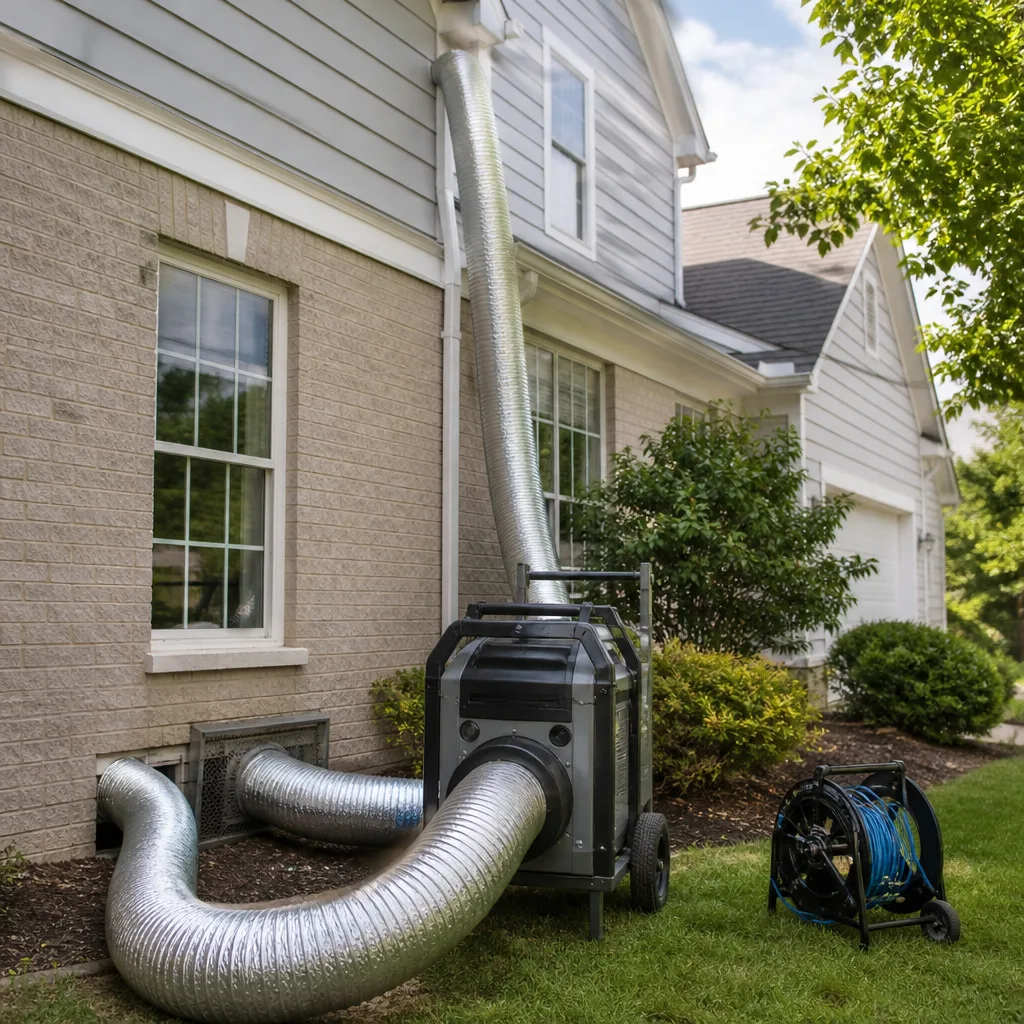 Whole-home duct cleaning
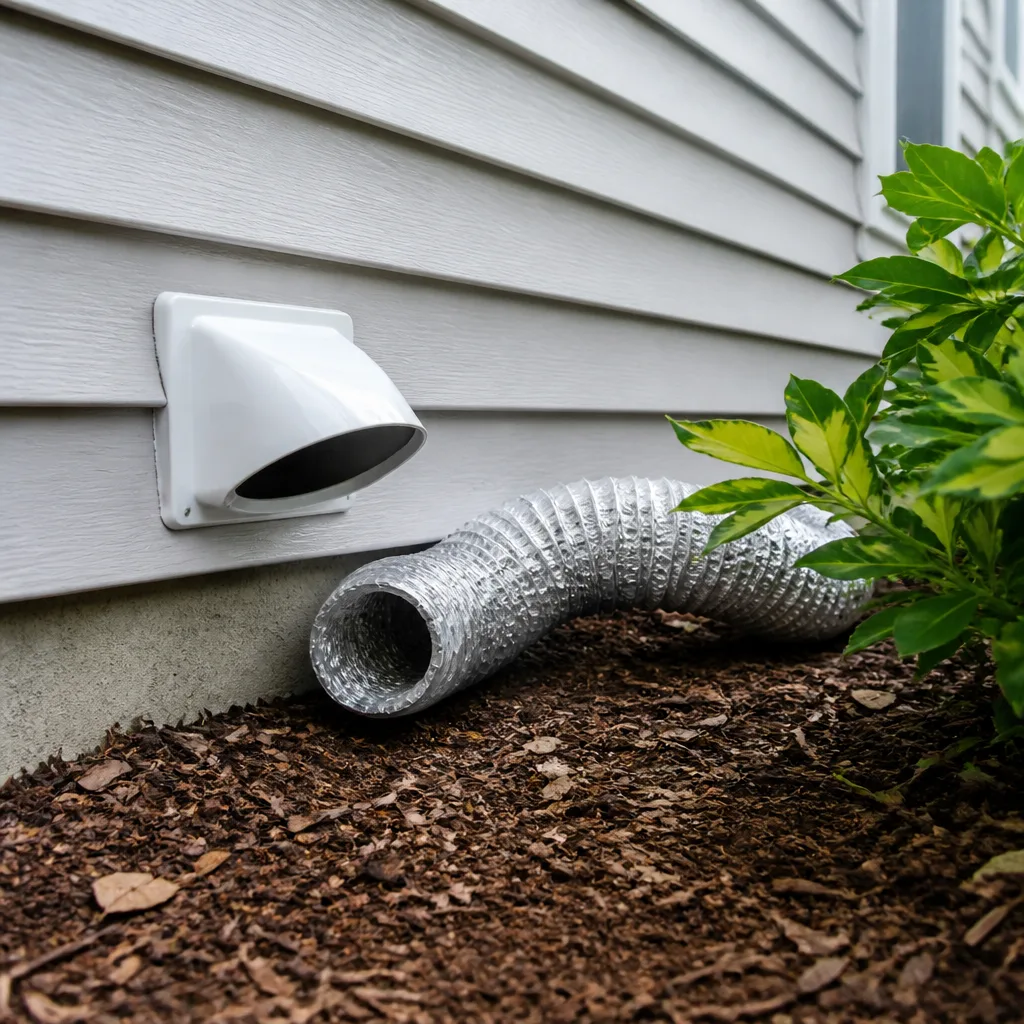 Dryer vent cleaning
 Camera inspection
 Sanitizing & deodorizing
Whole-system duct and dryer vent check with before-and-after photos - you see exactly what came out of your vents
That "$99 whole-house special" is a bait ad - the real number appears once they are in your hallway, or the "clean" is a shop-vac at the register. We photograph the inside of your ducts before and after instead.
Seasonal Air Duct Cleaning Care for Cypress: Year-Round Homeowner’s Guide
Most seasonal duct advice you’ll find online was written for a four-season climate, and it doesn’t fit Cypress. Telling a Cypress homeowner to “clean the ducts in fall before heating season” ignores the fact that the Santa Ana winds typically peak in October and November, pushing smoke and fine particulate through the region right when a national checklist says your ducts should be sealed up for winter. Cypress doesn’t really run on four equal seasons. It runs on two high-stress periods for your HVAC system (peak cooling and Santa Ana season) and two calmer maintenance windows in between. This guide lays out what’s actually happening inside your ductwork during June Gloom, peak summer AC, Santa Ana events, and the mild winter, and how to time cleaning, filter changes, and inspection around that real rhythm instead of a generic calendar.
Quick Answer
In Cypress, the most effective approach to duct care is timing it around two stress periods rather than the traditional spring/fall schedule: a post-summer cleaning after months of heavy AC use, and a post-Santa Ana inspection after the October-November wind events that push wildfire smoke into the area. The best maintenance windows for Cypress are late winter and early spring, when cooling demand is lowest and work can be scheduled and done efficiently.
Styles & brands we work with
- Whole-home duct cleaning
- Dryer vent cleaning
- Camera inspection
- Sanitizing & deodorizing
Table of Contents
- Why Cypress Doesn’t Have Four Equal Seasons
- What June Gloom Does to Your Ductwork
- Peak Cooling Season: The Real Stress Test
- Santa Ana Season and Wildfire Smoke in Your Ducts
- Finding Your Maintenance Window in Cypress
- A Seasonal Filter Strategy for Orange County Air
- Why Post-Santa Ana Inspection Is Its Own Service
- The Mild Cypress Winter and What It Means for Ducts
Why Cypress Doesn’t Have Four Equal Seasons
If you’ve read duct-cleaning advice that says “clean in spring and fall,” that advice assumes a climate with two clear changeover points: the end of heating season and the end of cooling season. Cypress doesn’t work that way. Cooling dominates the year, the marine layer shapes the early summer, and a wind event in the fall can send more particulate into the air in a week than the rest of the year combined.
Here’s how the year actually breaks down for a Cypress home:
- Late spring into early summer: the marine layer settles in and indoor humidity rises, even though outdoor temperatures stay moderate. This is the June Gloom period, and it matters more for your ducts than most homeowners realize.
- Mid-summer into early fall: sustained cooling load. The AC runs hard for months, pulling dust, pollen, and pet dander through the return side continuously.
- October and November: Santa Ana wind season. Dry, gusty offshore winds push wildfire smoke and fine particulate across Orange County. This is the period that most national guides completely miss.
- December through February: mild, with very little heating demand. This is your calmest window and, for scheduling reasons, often the best time to book work.
Understanding this rhythm is the whole point. A duct system in Cypress experiences two genuine stress events per year, not four gradual seasonal transitions. Treating it that way changes when you clean, when you inspect, and when you change filters. We’ve seen plenty of Cypress homes where the owner was diligent about annual cleaning but still had visible buildup because the cleaning was timed to a national calendar rather than to the actual local load. If you want to think about this at the system level rather than season by season, our guide to air duct cleaning covers the full process from inspection to final verification.
What June Gloom Does to Your Ductwork
The marine layer that parks over the region in late spring and early summer does something specific to a home’s air system: it raises indoor relative humidity while outdoor temperatures stay mild enough that many Cypress homeowners don’t run the AC consistently. That combination is the quiet problem.
When the system cycles less, the duct interior stays cooler and damper for longer stretches. Dust that would normally be carried along by steady airflow settles and then absorbs moisture. Over a few weeks of this pattern, the dust film along the inside of the ducts becomes a better growing surface for mold and bacteria, particularly on the return side and in any duct run that passes through an unconditioned space like an attic.
What to watch for during June Gloom:
- A musty or “wet basement” smell when the AC first kicks on after sitting idle.
- Visible dark speckling around supply registers or return grilles.
- Allergy-type symptoms that appear or worsen in early summer even though pollen counts are moderate.
- Condensation on duct surfaces in the attic, which points to insulation gaps or duct leaks pulling in humid air.
This is where duct repair and sealing earns its place. A leaky return in an attic doesn’t just lose conditioned air; it draws in the humid marine-layer air and deposits it inside the system. Cleaning without sealing leaves the same problem to recur next June. We don’t just clean; we inspect, repair, and seal, which is the difference between a one-time service and a fix. A light sanitizing treatment after cleaning addresses the biological side that standard cleaning alone doesn’t eliminate, using products from names like Honeywell and Aprilaire that are built for residential HVAC systems.
If your ducts haven’t been opened up in a few years and you’re seeing any of the signs above, June Gloom is a reasonable trigger to have the system inspected before peak summer load arrives.
Peak Cooling Season: The Real Stress Test
From roughly July into September, your air conditioning runs more hours per day than at any other point in the year. That continuous airflow is doing two things at once: it’s keeping your home comfortable, and it’s steadily loading the return side of your ductwork with whatever is suspended in the air – dust, pollen, pet dander, skin cells, and the fine debris that settles on every surface indoors.
Most of that material collects where airflow slows down: the return plenum, the filter housing, the inside corners of supply runs, and the evaporator coil. The coil is the part homeowners rarely think about, and it’s the part that matters most during peak cooling. A dust-loaded coil loses heat-transfer efficiency, which means the system runs longer to hit the same set point, which means more air moves through the ducts, which loads the coil further. It’s a loop.
During peak cooling season in Cypress, keep these three things in view:
- Watch your filter like it matters, because it does. Peak summer is when a filter clogs fastest. Check it every few weeks rather than following a rigid “every three months” rule that was written for a milder climate.
- Listen for airflow changes. Weak airflow from the registers, a system that runs constantly without reaching set point, or a musty smell when the AC starts are all signs the system is strained.
- Don’t wait for a breakdown to inspect. The end of peak summer is the ideal time to look at the coil and duct interior, because that’s when the accumulation is at its highest and you can actually see what the season deposited.
This is also the season when HVAC cleaning matters most. Cleaning the ducts without addressing the coil and air handler leaves half the system untouched. Our technicians have up to 12 years of experience with full-system cleaning, and the equipment matters here – Rotobrush and Nikro systems with Abatement Technologies containment are built to pull particulate out of the system without spreading it through the house during the process.
One practical note: schedule the post-summer cleaning for late September or early October if you can. That gets you ahead of Santa Ana season, which we’ll get to next.
Santa Ana Season and Wildfire Smoke in Your Ducts
Santa Ana winds typically peak in October and November, and they change the air-quality picture across Orange County in a way that no spring/fall cleaning schedule accounts for. During a Santa Ana event, dry offshore winds push smoke and fine particulate matter (PM2.5) across the region, and that particulate behaves differently inside ductwork than ordinary household dust.
Here’s the distinction that matters. Typical indoor dust is relatively coarse and settles on surfaces, so it accumulates predictably and cleans up predictably. Wildfire smoke PM2.5 is far finer – small enough to stay airborne for long periods and small enough to pass through many standard filters. When it enters a duct system, it doesn’t just settle as a visible layer. It coats surfaces with a fine film, penetrates porous materials like duct insulation and the fibrous lining of older flex duct, and leaves behind the odor compounds that make a home smell like smoke long after the air outside has cleared.
That difference in behavior is why standard cleaning timing may need to be accelerated after a smoke event. The practical implications:
- Visible dust is not the measure. A duct system can look clean and still hold a fine smoke film on its surfaces and insulation.
- Odor is the tell. If the house still smells faintly of smoke weeks after an event, the residue is likely in the ductwork, the filter, or the coil.
- Insulation holds it longest. Duct board and flex duct lining absorb smoke compounds; cleaning helps, but heavily saturated sections sometimes need replacement or resealing.
- Timing matters. Cleaning shortly after a significant smoke event removes the residue before it’s drawn deeper into the system during the next cooling cycle.
Wildfire smoke is also a case where post-event inspection earns its place as a standalone service, which we cover further down. If you’ve been through a smoke event and want a professional read on the system, call (833) 698-8235. We answer 24/7. Fast dispatch from 7am to 7pm, Sunday through Friday.
Finding Your Maintenance Window in Cypress
The best time to schedule duct maintenance in Cypress is the period when your HVAC system is under the least stress and can be taken offline without discomfort: late winter into early spring, roughly February through April. Cooling demand is low, heating demand is low, and the work can be completed and verified without rushing.
There’s a second, narrower window: right after Santa Ana season ends and before peak cooling begins, which in practice means December and January. Both periods share the same qualities – low system load, moderate indoor humidity, and no active smoke events pushing particulate into the air.
Here’s how to think about scheduling across the year:
- Late winter / early spring (February-April): the primary maintenance window. Ideal for a full cleaning, duct repair and sealing, and a sanitizing treatment if the system has shown mold or odor issues.
- Late September / early October: the post-summer cleaning. Gets the system clear of peak-season accumulation before Santa Ana winds arrive.
- December / January: a secondary window for anyone who missed the fall cleaning or wants the Santa Ana residue cleared before the next cooling season.
- Avoid scheduling during peak cooling if you can. Not because it can’t be done, but because taking the system offline during a heat wave is inconvenient and the technician is working against a deadline.
In our experience, Cypress homeowners who move their cleaning into the late-winter window get better results, because the system is inspected when it’s calm rather than when it’s strained. It’s also when scheduling is easier and the work isn’t competing with emergency calls. If you’re not sure when your last cleaning was, a walkthrough inspection will tell you what condition the system is in and let you plan the next few years of maintenance realistically.
One more point on the maintenance window: dryer vent cleaning fits naturally into the same visit. It’s a separate system, but it’s part of the same household air picture, and pairing the two means one appointment instead of two. More on that in our dryer vent cleaning guide.
A Seasonal Filter Strategy for Orange County Air
Filter changes shouldn’t follow a fixed calendar in Cypress. They should follow the actual air-quality patterns of the region, which shift markedly across the year. The wrong filter on the wrong schedule either starves the system of airflow or lets particulate through, and both problems show up inside the ducts.
A season-by-season approach that fits Cypress:
- Late spring / June Gloom: use a filter rated for fine particulate but not so restrictive that it chokes airflow in a system that’s cycling less. Check it monthly, because the damp, still conditions let dust accumulate without being carried through.
- Peak summer (July-September): the highest-load period. Check the filter every few weeks rather than monthly, and replace it when it’s visibly loaded. A clogged filter during peak cooling is the single most common cause of strain we see.
- Santa Ana season (October-November): this is when filter quality matters most. A higher-efficiency filter (Honeywell and Aprilaire both make residential media filters rated for fine particulate) will capture more of the smoke PM2.5 before it reaches the coil. Change it more often during and immediately after smoke events.
- Winter (December-February): back to a standard schedule. The mild winter means low load and low particulate, so there’s no reason to over-filter or over-replace.
The filter is the first line of defense, but it’s not a substitute for cleaning. A filter captures what passes through it; it doesn’t remove what’s already settled in the ducts, on the coil, or in the insulation. If you’ve been running high-efficiency filters for years and still notice dust or odor, the filter isn’t the problem – the system condition is.
Why Post-Santa Ana Inspection Is Its Own Service
After a smoke event, cleaning is not always the right first step. Inspection is. The reason is simple: not every smoke exposure requires a full cleaning, and some require more than cleaning – specifically, duct repair and sealing, or replacement of smoke-saturated insulation. A proper inspection tells you which.
A post-Santa Ana inspection should include:
- A visual survey of accessible duct runs, looking for smoke film, staining, and any indication that residue has reached the insulation.
- An airflow and static-pressure check, which tells you whether the system is restricted or pulling air from unintended places.
- A coil and air-handler review, because the coil is where smoke particulate that passed the filter tends to collect.
- A leak check on the return side and any duct runs in attics or unconditioned spaces, since leaks are how outdoor smoke enters the system in the first place.
- An odor assessment, ideally in the rooms where the smell has lingered longest, since that points to the specific duct runs involved.
What the inspection finds determines the service. A light smoke film with no odor and no insulation involvement may only need a filter change and a targeted cleaning. Heavier residue calls for full cleaning with containment – which is where Abatement Technologies equipment matters, because the containment keeps the disturbed particulate from spreading through the house during the process. Saturated insulation or a leaky return calls for repair and sealing, not just cleaning.
Treating post-Santa Ana inspection as its own service, separate from routine cleaning, means you get an honest read on the system instead of a sales pitch for the most expensive option. It’s also the service that most cleaning-only companies don’t offer, because they don’t do repair or sealing. We do all of it in one call.
The Mild Cypress Winter and What It Means for Ducts
Cypress winters are mild, and that shapes the duct care picture in a way that’s easy to miss. There’s very little heating demand, so the system spends most of the winter on light duty. The ducts cool down and dry out, which is generally good, but it also means any residue that accumulated during peak summer and Santa Ana season is sitting undisturbed until the next cooling cycle pulls it back into the air.
That’s the case for winter cleaning, done in December or January, as a way to clear the fall’s accumulation before it becomes next summer’s problem. It’s also the calmest window for repair work – if a duct run needs sealing or a section of saturated insulation needs replacement, winter is the time to do it without the system running hard.
The mild winter also changes what you should watch for. Without heating demand, few homeowners notice a duct problem in winter, because the symptoms that would show up when the system runs – dust from the registers, musty smell on startup, weak airflow – don’t present themselves the same way. That makes winter the season when problems go quietly unnoticed. A scheduled inspection in January catches them before they compound.
There’s a broader point here about what we bring to a Cypress home. Clean ducts are only the beginning. The full picture includes cleaning with professional-grade Rotobrush and Nikro equipment, sanitizing with products built for residential HVAC, duct repair and sealing, dryer vent service, and protective treatments that help extend the cleanliness and integrity of the system after service. Guardsman protective treatments, for example, help the duct interior stay cleaner longer after a cleaning, which is meaningful in a climate where the system runs as much as it does in Cypress.
For a fuller picture of how all of these services fit together, take a look at Cypress Air Duct Cleaning Pros and what the full scope actually covers.
Common Mistakes to Avoid
- Following a national spring/fall cleaning schedule. That calendar was written for a four-season climate. In Cypress, it misses the October-November Santa Ana window and tells you to clean when the system isn’t under stress. Time your care to the local rhythm, not the generic one.
- Cleaning without inspecting the coil and air handler. Half the system sits outside the ducts. A cleaning that leaves the coil loaded doesn’t solve the airflow problem and won’t stop the same buildup from recurring next season.
- Skipping duct repair and sealing because the cleaning looked thorough. A visibly clean duct system with leaky returns is still pulling outdoor air – and outdoor smoke during Santa Ana season – straight into your home. Sealing is what makes the cleaning last.
- Watching visible dust instead of odor after a smoke event. Wildfire smoke PM2.5 leaves a fine film that doesn’t show as dust. If the house still smells faintly of smoke, the residue is there even if the ducts look clean.
- Running a high-efficiency filter on a rigid replacement schedule during peak cooling. In July and August, a filter that was fine for three months in a milder climate can load in three weeks. Check it, don’t calendar it.
- Assuming the mild winter means nothing happens to the ducts. Winter is when problems go unnoticed, because the system isn’t running enough to show symptoms. A January inspection catches what the quiet season hides.
- Hiring a cleaning-only company for a duct system that needs repair. If the system has leaks, damaged insulation, or smoke-saturated sections, cleaning alone leaves the problem in place. Make sure the company can also repair and seal.
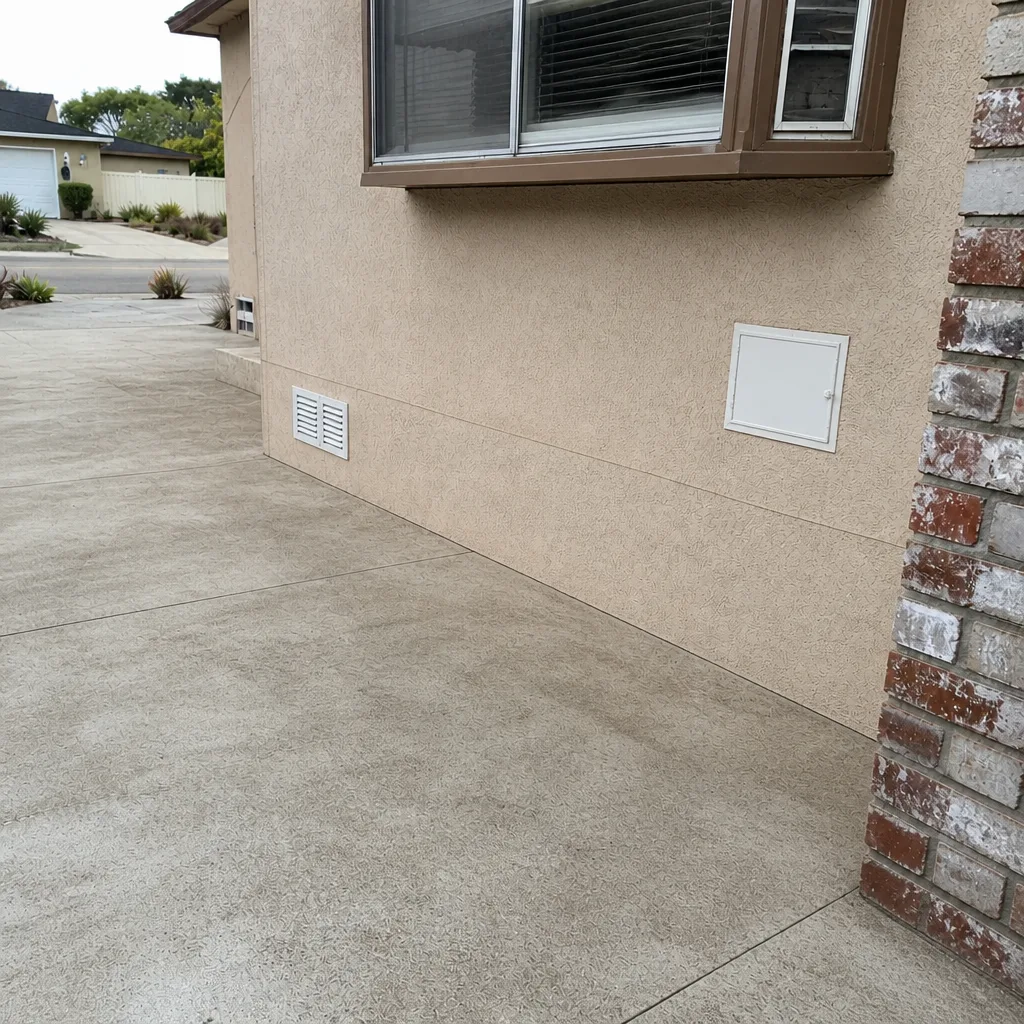
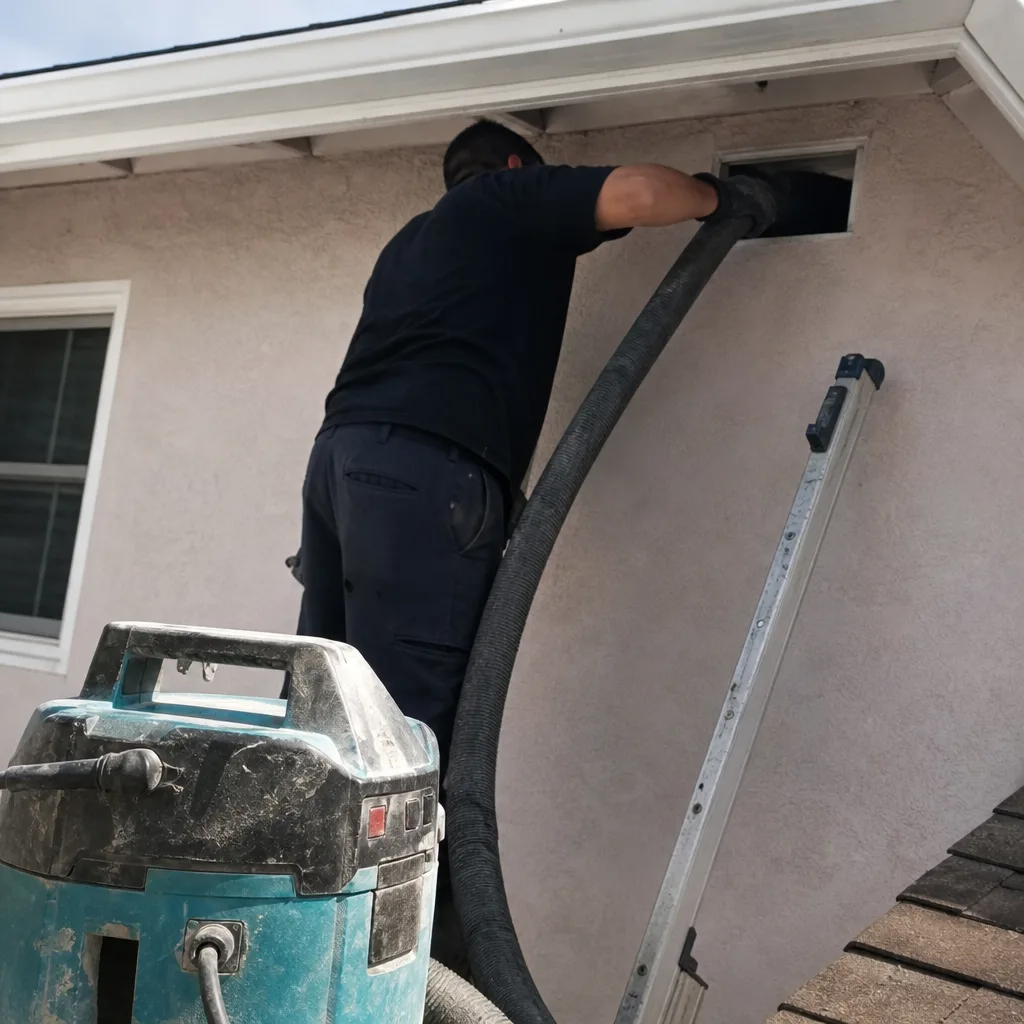
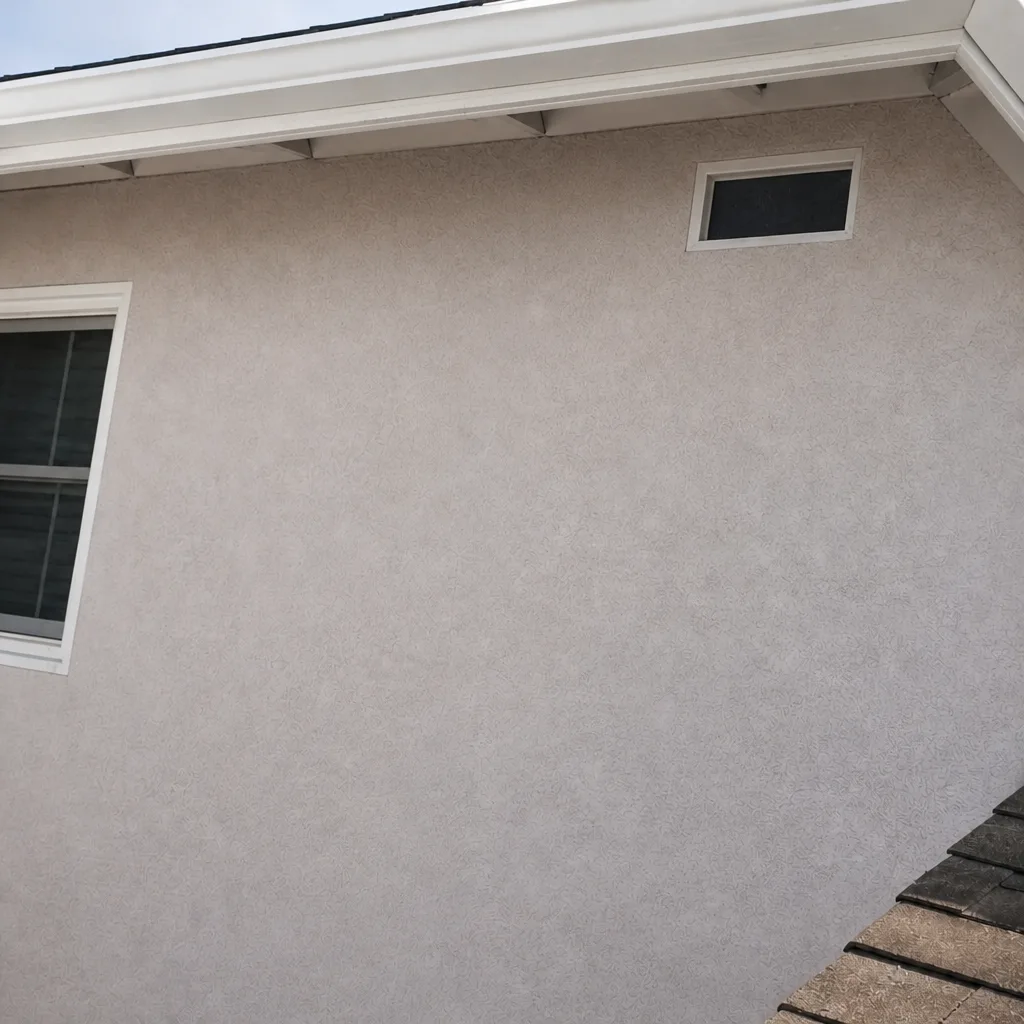
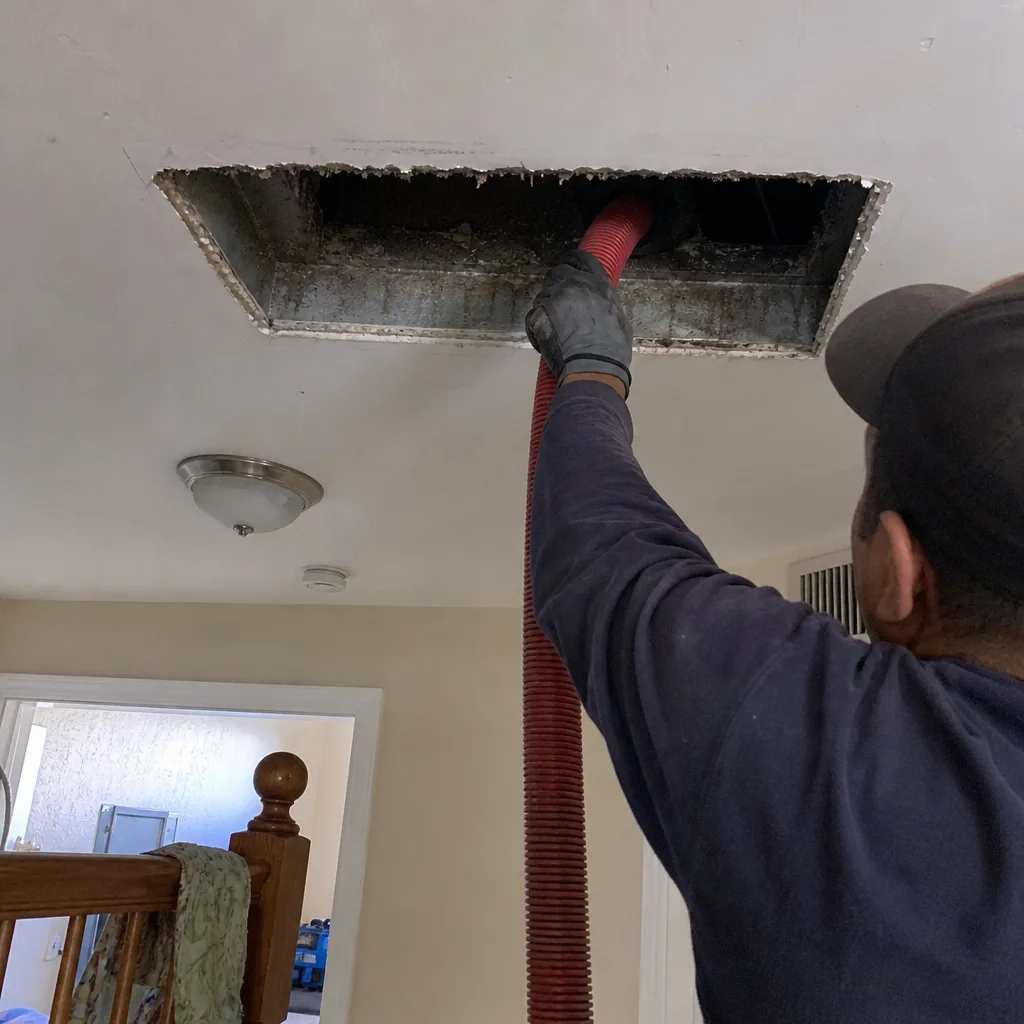
See the difference
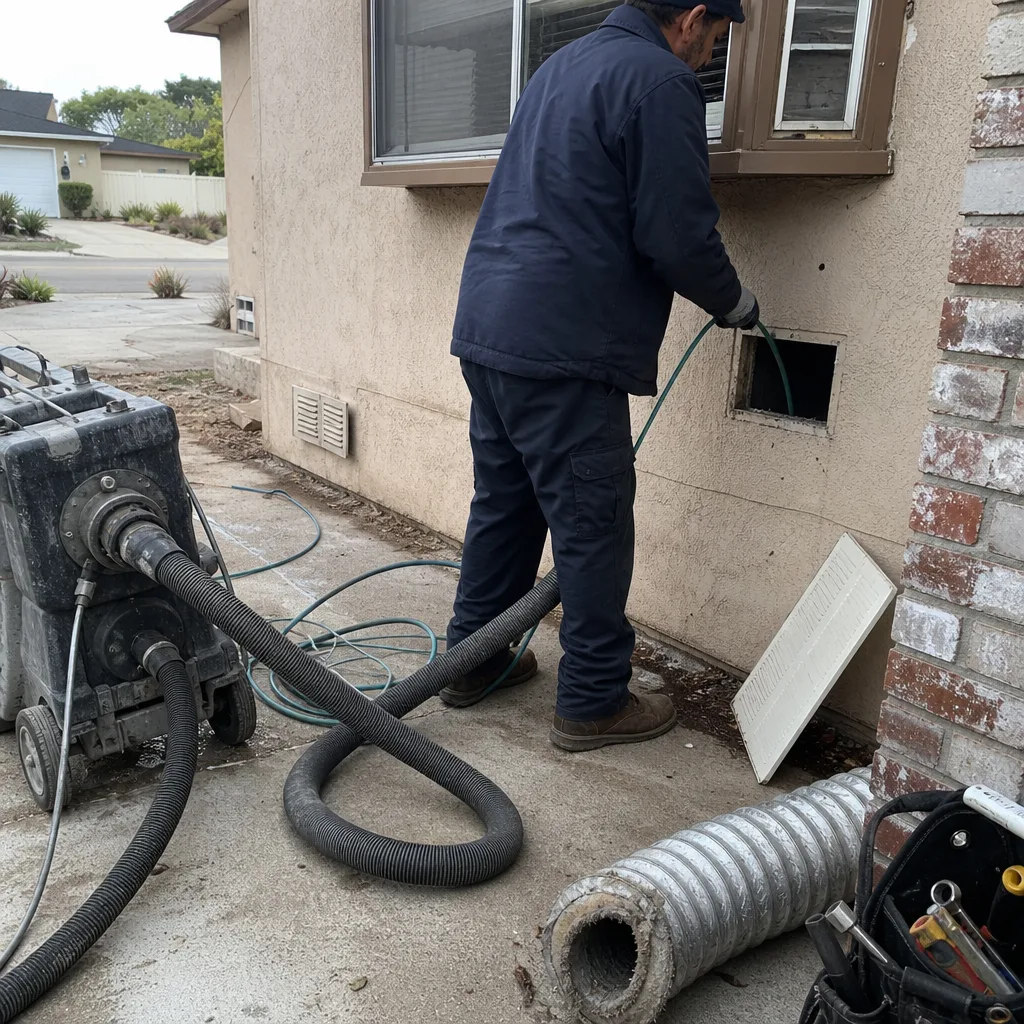 Before
 After
 Before
 After
 Before
 After
When to Call a Professional
Some duct care is a judgment call, but these situations are not. Call a professional when you notice a persistent musty or smoke odor from the vents, visible mold around registers or on duct surfaces, weak airflow that hasn’t responded to a filter change, or a home that’s dustier than it should be despite regular cleaning. Call after any significant wildfire smoke event if the odor lingers more than a few days. Call if you’ve just bought a Cypress home and don’t know the last time the system was cleaned, if you’ve completed a renovation that generated dust, or if anyone in the household has allergies or respiratory concerns that seem tied to the indoor air. Call if you’ve never had the dryer vent cleaned and it’s been more than a year. Cypress Air Duct Cleaning Pros offers free estimates in Cypress – call (833) 698-8235. We answer 24/7. Fast dispatch from 7am to 7pm, Sunday through Friday.
Frequently Asked Questions
Most Cypress homes do well with a cleaning every two to three years, but the timing matters more than the interval. We recommend one cleaning after peak cooling season (late September or early October) and a post-Santa Ana inspection in the fall, with a full cleaning again in the late-winter window if the inspection calls for it. Homes with pets, allergies, or recent renovations may need more frequent service. Call (833) 698-8235 for an exact quote – estimates are free.
Yes, in a specific way. The marine layer raises indoor humidity while cooling demand stays low, so dust settles and stays damp for longer stretches, which makes the duct interior a better surface for mold and bacteria. The tell is a musty smell when the AC first runs after a quiet stretch, or dark speckling around registers. Call (833) 698-8235 for an exact quote – estimates are free.
Not always, but you should have them inspected. Wildfire smoke PM2.5 is fine enough to pass many filters and coat duct surfaces and insulation with a film that doesn’t always show as visible dust. If the house still smells faintly of smoke weeks after an event, or if the system seems strained afterward, inspection is the right first step. Call (833) 698-8235 for an exact quote – estimates are free.
Air duct cleaning in Cypress is priced per system rather than per vent, and the written estimate sets the final price. We don’t quote a per-vent figure or a teaser coupon, because the honest number depends on the size of the system, the number of runs, and whether repair or sealing is needed. Call (833) 698-8235 for an exact quote – estimates are free.
Because a low coupon price often becomes a larger invoice once the technician is on site, or because the work is done with shop-vac equipment instead of professional-grade machines. We give you one flat price per system agreed before work starts, with before-and-after photos of your own ducts so you can see what was actually removed. Call (833) 698-8235 for an exact quote – estimates are free.
Ask for before-and-after photos of your own duct system during the service. That’s the simplest proof, and it’s what we provide. A visual record of the return side, supply runs, and coil shows you what was there before cleaning and what was removed, rather than asking you to take the technician’s word for it. Call (833) 698-8235 for an exact quote – estimates are free.
The Bottom Line
Cypress duct care works best when it follows the actual local climate rather than a national four-season calendar. That means treating June Gloom as a humidity problem to watch, peak cooling as the main accumulation period, and Santa Ana season as its own post-event inspection trigger rather than a footnote. The best maintenance window for most Cypress homes is late winter into early spring, with a post-summer cleaning in late September or early October to get ahead of the fall winds. Filters should be checked against actual load, not a fixed schedule. And when a system shows signs of smoke residue, mold, or leaks, inspection comes first and cleaning follows from what the inspection finds. Timed this way, duct care becomes a predictable cycle instead of a scramble after a problem.
Written by the team at Cypress Air Duct Cleaning Pros.