
Last updated November 23, 2026
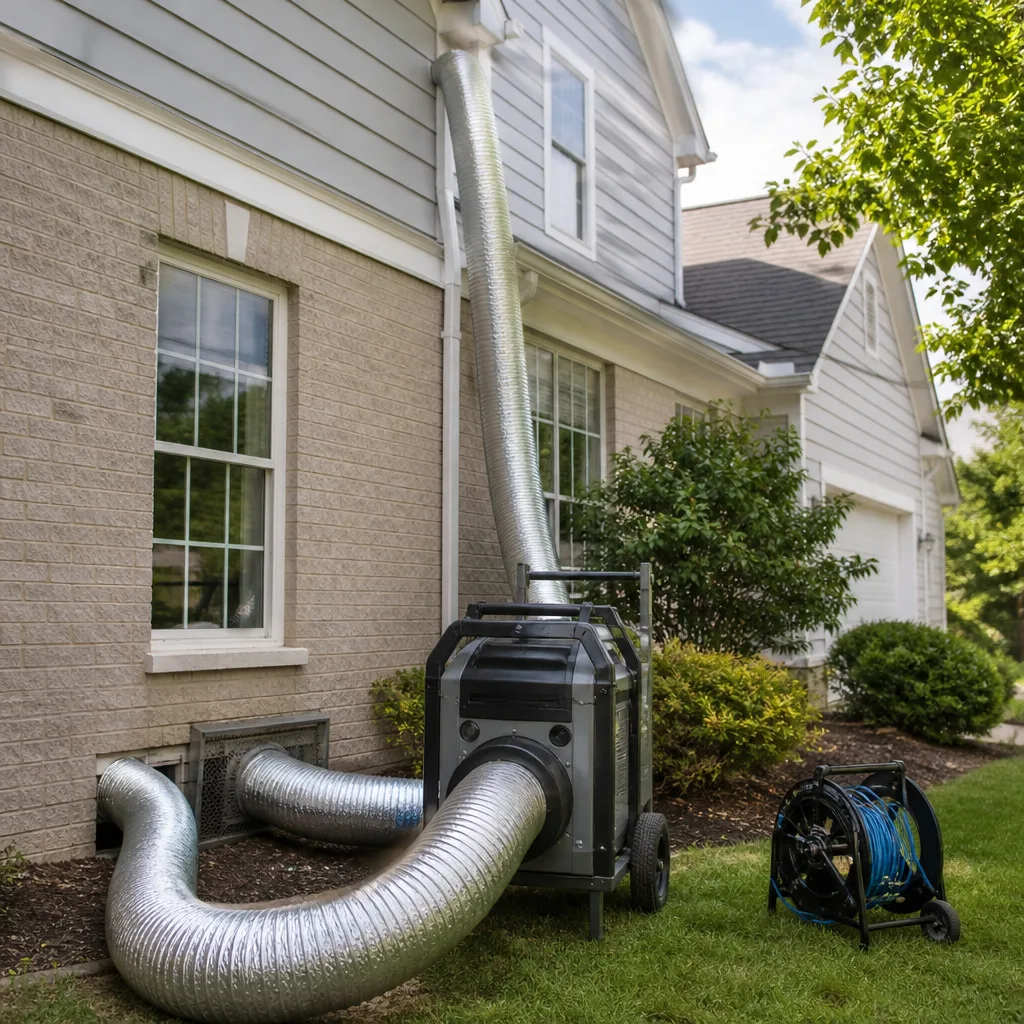 Whole-home duct cleaning
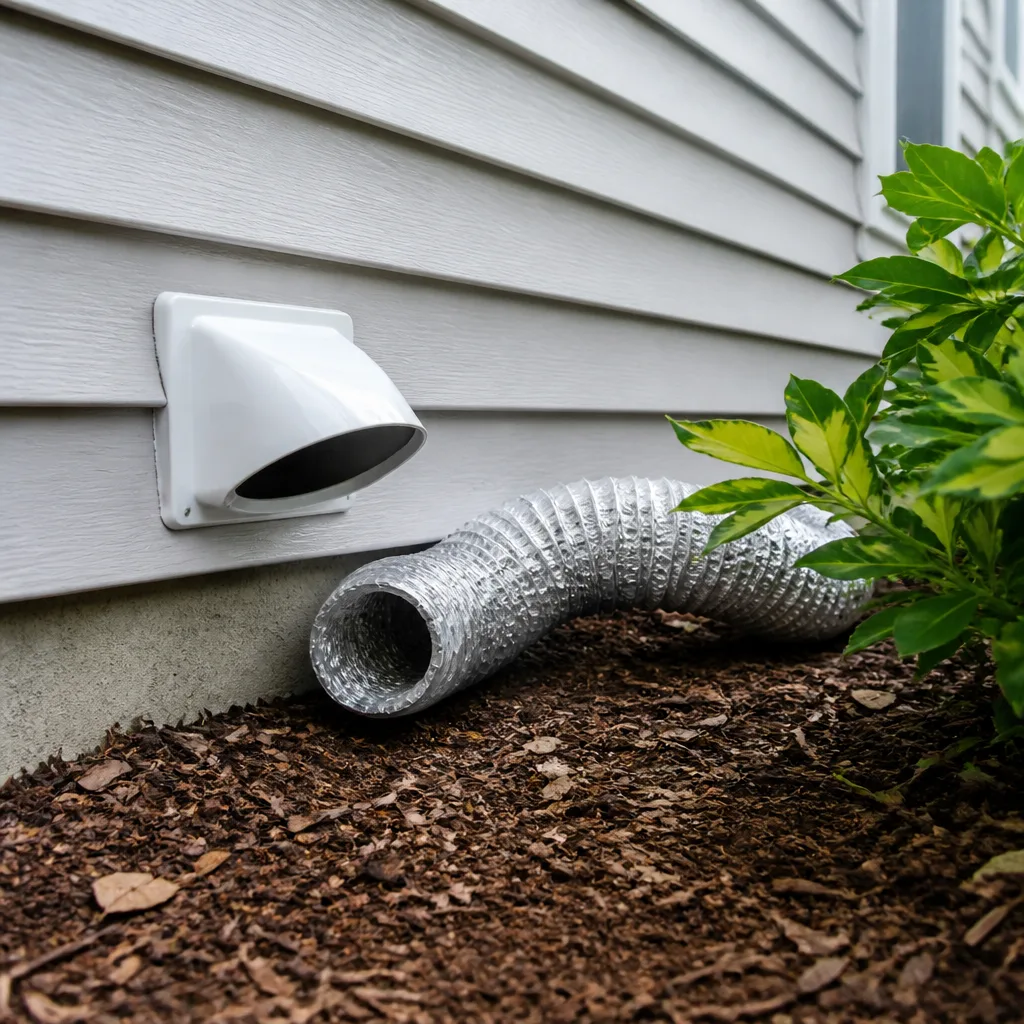 Dryer vent cleaning
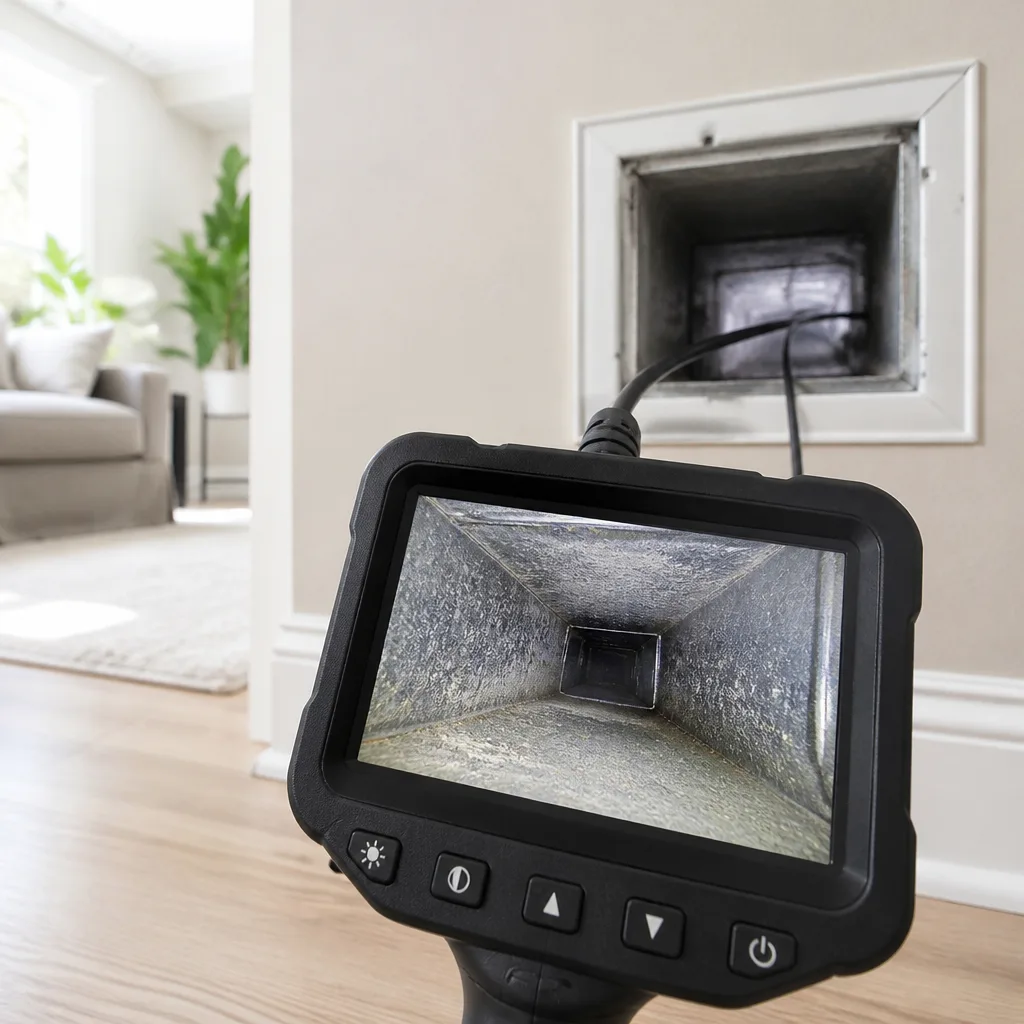 Camera inspection
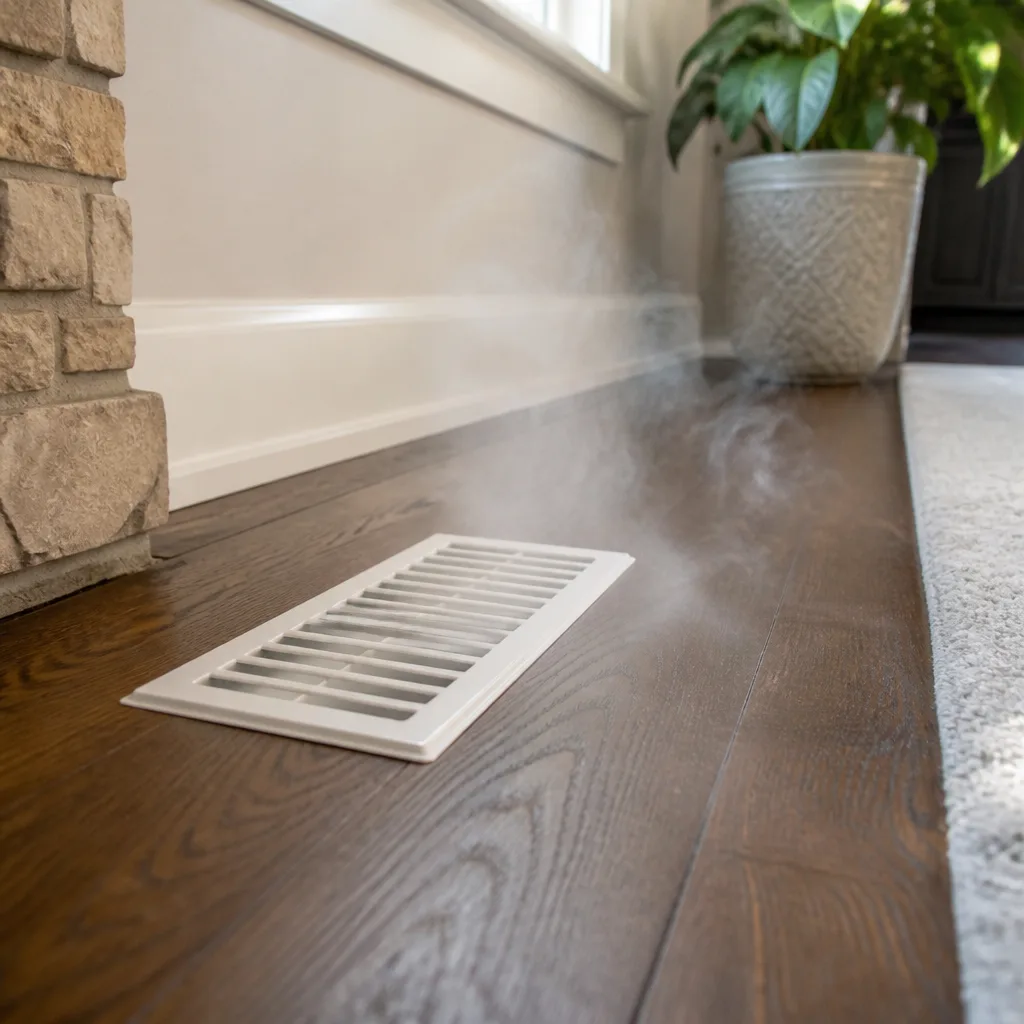 Sanitizing & deodorizing
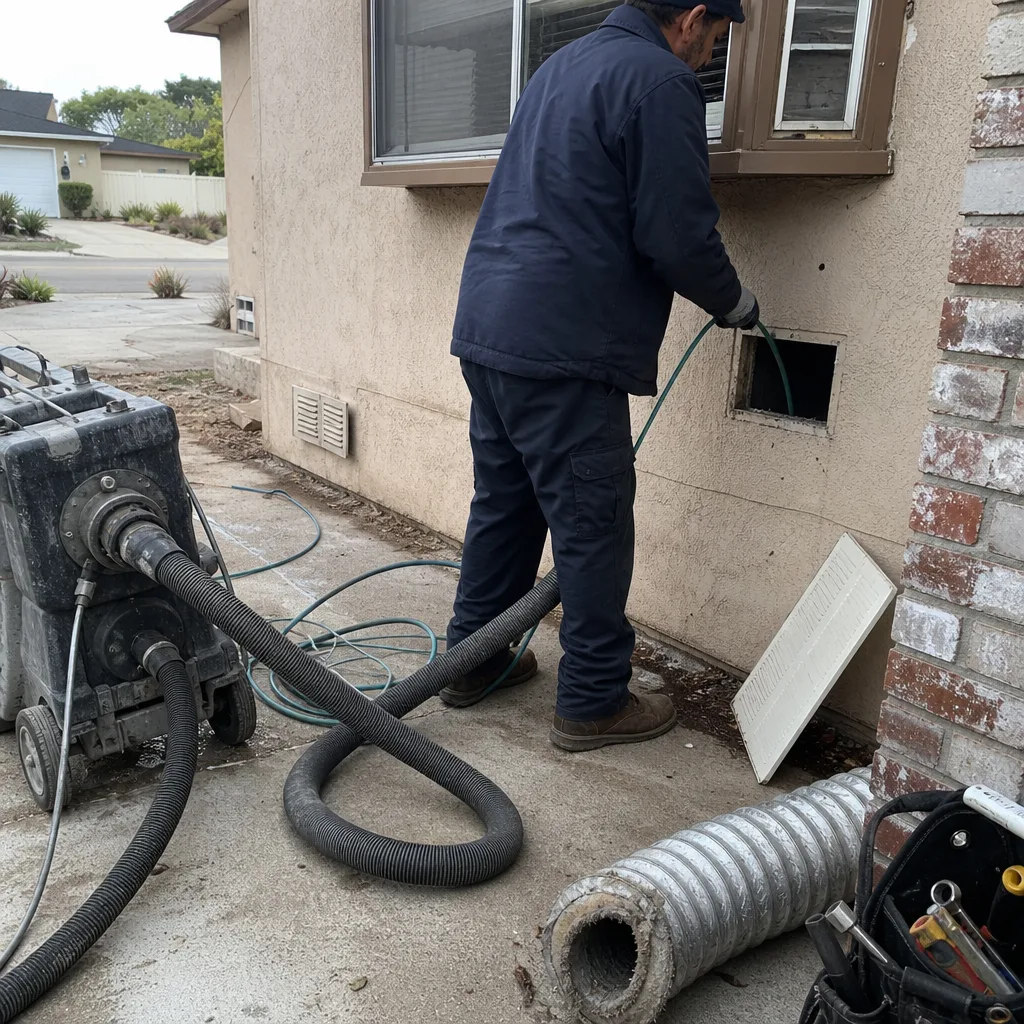
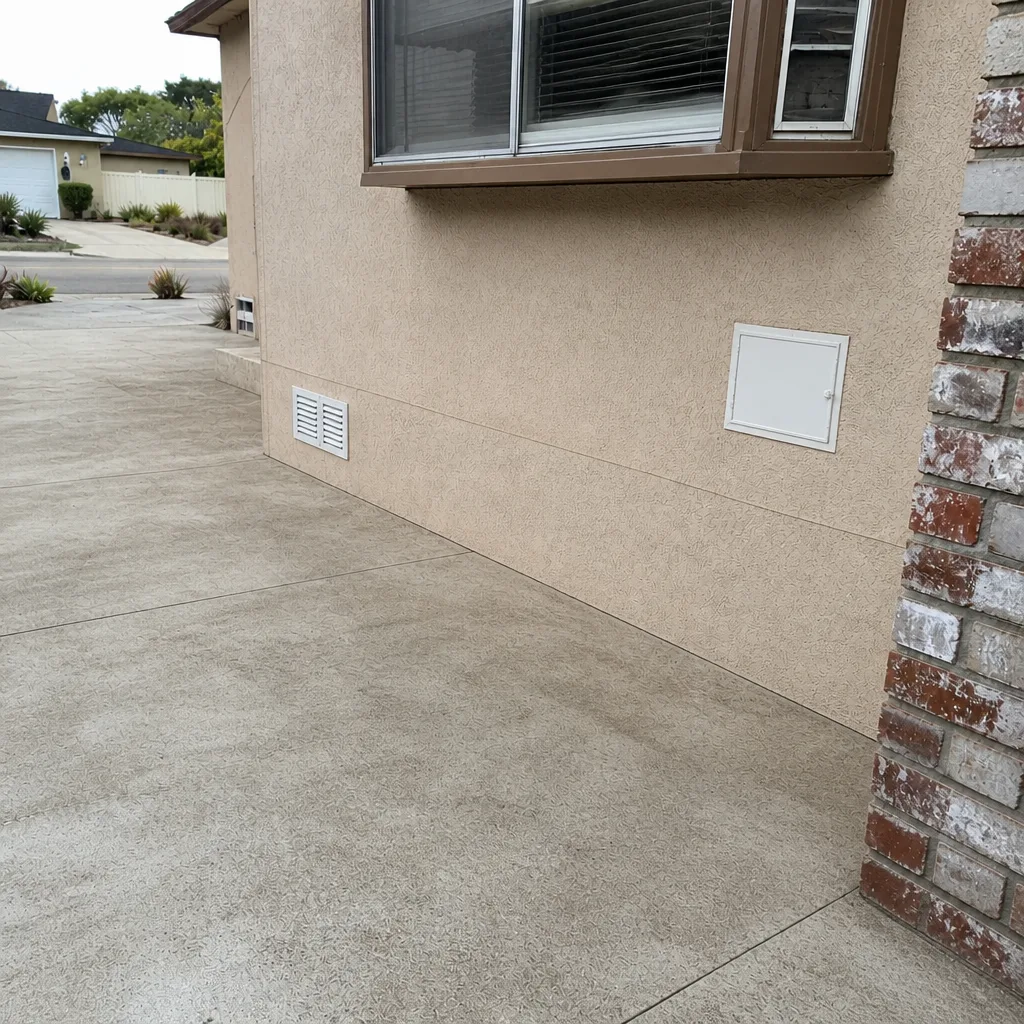
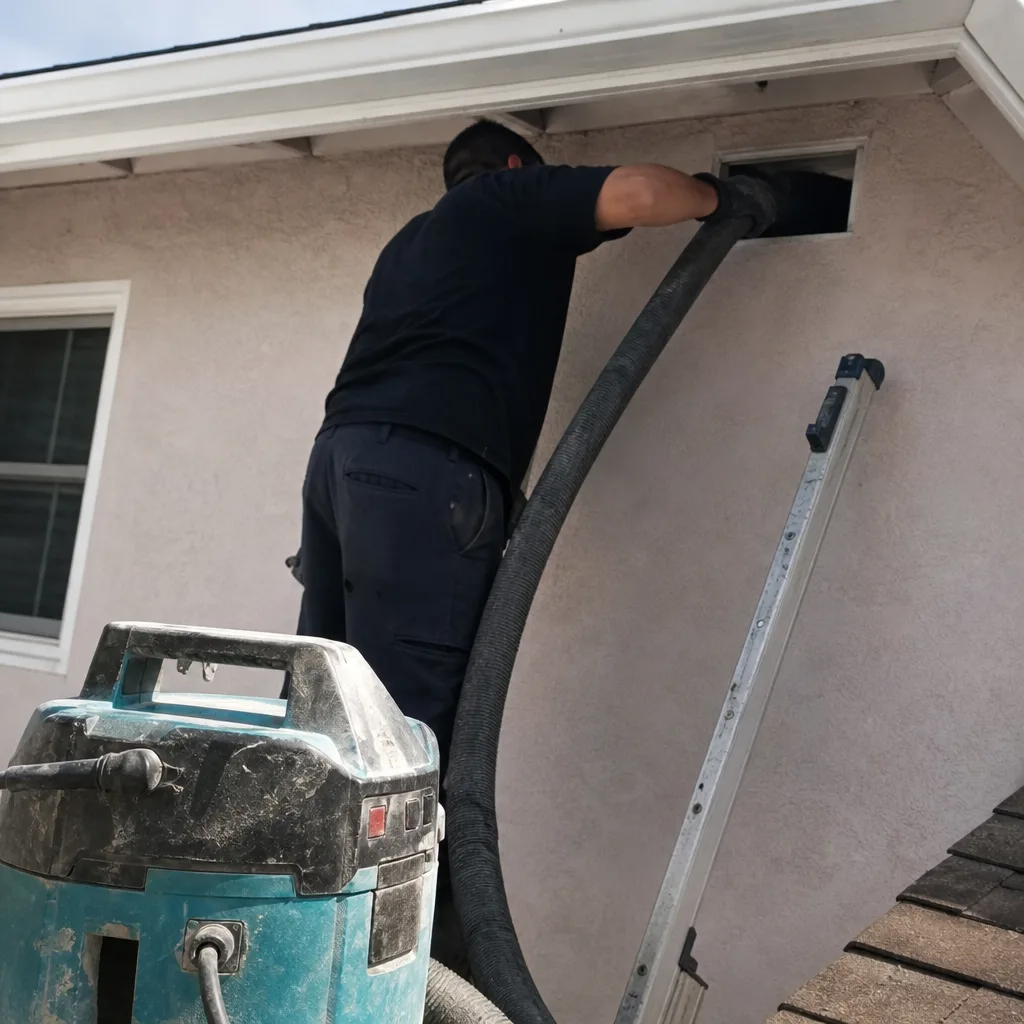
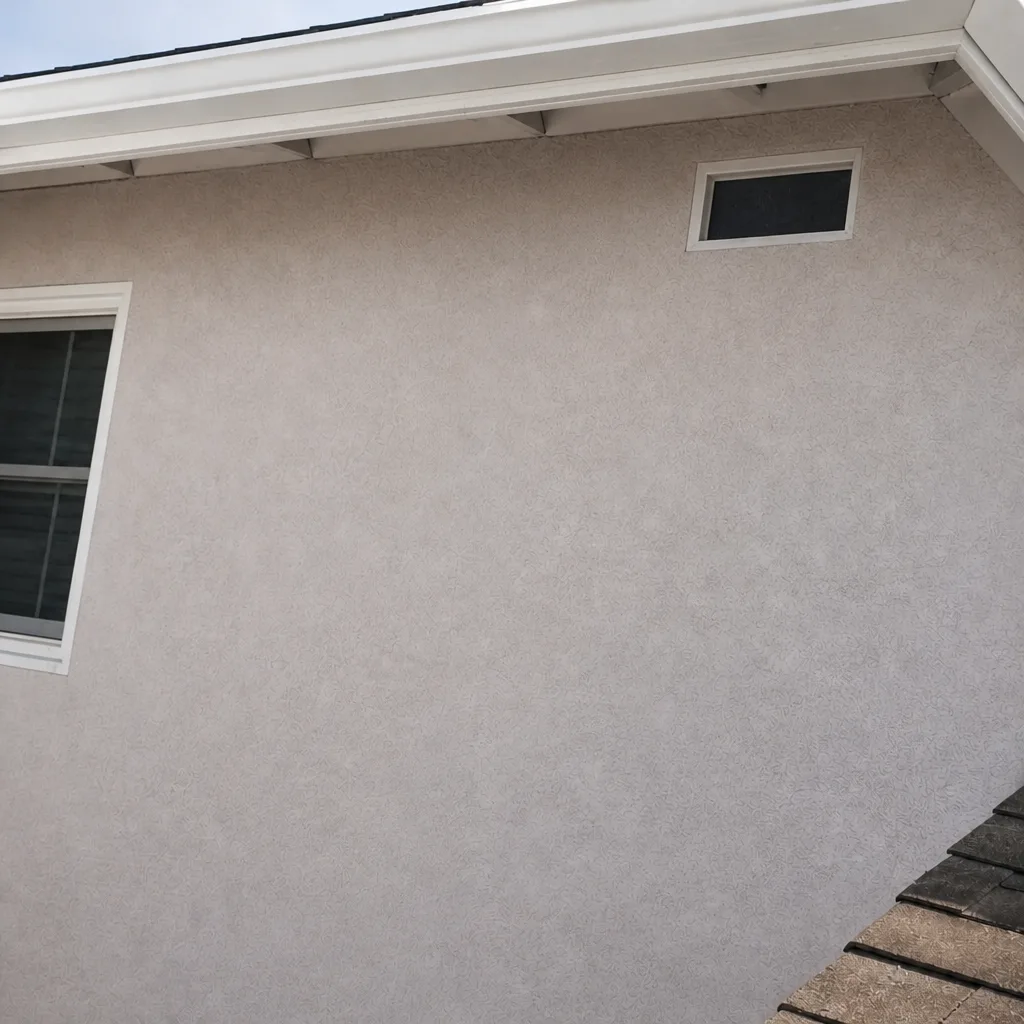
Whole-system duct and dryer vent check with before-and-after photos - you see exactly what came out of your vents
That "$99 whole-house special" is a bait ad - the real number appears once they are in your hallway, or the "clean" is a shop-vac at the register. We photograph the inside of your ducts before and after instead.
Air Duct Cleaning Cost Breakdown: The Cypress Homeowner’s Reference for 2026
Two quotes land in your inbox on the same afternoon. One says $149 for the whole house. The other says $650. It’s tempting to assume the low one is the bargain and the high one is a company trying to take advantage of you. Both assumptions get people into trouble. A $149 quote can be entirely legitimate if it’s a real, complete scope priced for a small, simple system. A $650 quote can be a scam if the contractor plans to spend ninety minutes waving a shop vac at your registers and calling it done. The number alone tells you almost nothing. What tells you everything is what is included in the scope, what equipment is going to walk through your front door, and whether the job description actually matches the standard for source removal that the industry has settled on. That’s what this reference is for. We’ll break down a legitimate Cypress quote line by line, show you what each part should cost in this market in 2026, explain why per-vent pricing is structurally misleading, and give you the tools to compare any two quotes on equal footing.
Quick Answer
A complete air duct cleaning for a typical Cypress single-family home usually runs $350 to $750 in 2026, depending on the number of registers, the length of the duct runs, and whether the system is flex or hard metal. Whole-house jobs that include the air handler, a full return system, and add-ons like dryer vent cleaning or duct sealing commonly land between $600 and $1,200. Any quote you accept should be a flat price for a defined scope, agreed in writing before work begins, with the final price set by that written estimate.
Styles & brands we work with
- Whole-home duct cleaning
- Dryer vent cleaning
- Camera inspection
- Sanitizing & deodorizing
Table of Contents
- What Should a Legitimate Cypress Duct Cleaning Quote Include?
- Why Per-Vent Pricing Is Structurally Misleading
- What Add-On Services Actually Cost in Cypress
- Flex Duct vs. Hard Metal: Why the Work Isn’t Interchangeable
- How to Read a Quote That Looks Unusually Low
- How to Convert Any Quote Into a Comparable Scope
- The Equipment Question: What Should Show Up at Your Door
- Common Mistakes to Avoid
- When to Call a Professional
- Frequently Asked Questions
What Should a Legitimate Cypress Duct Cleaning Quote Include?
A real quote breaks the job into named components instead of handing you one fuzzy number. In the Cypress market in 2026, the line items below are what a complete whole-house job should show. Use these ranges as a sanity check, not as a quote – the written estimate from the contractor sets the final price.
- Main trunk lines: $75 – $150. The large rectangular or round runs coming off the air handler. This is where most of the accumulated dust volume sits.
- Branch ducts: $40 – $90 per branch, or bundled into the whole-house figure at $200 – $400 total for a typical home. These are the smaller runs that feed individual rooms.
- Supply registers and grilles: $10 – $20 each. Removing, cleaning, and reinstalling the faceplate and diffuser.
- Return system: $75 – $175. Often skipped by low-priced contractors because return trunks are large and slow to clean properly.
- Air handler and blower compartment: $100 – $250. Requires opening the unit, protecting the coil, and cleaning the interior surfaces. This is the line item most likely to be missing from a cheap quote.
- Containment and negative air setup: $50 – $125 or included. This is the equipment that keeps dust from settling back into your living room while the work is going on.
A complete Cypress whole-house job that covers every line above typically totals $350 – $750. If your quote shows a number in that range but has only one line on it, ask for the breakdown. If the contractor can’t produce one, you’ve learned something important before any money changes hands.
One note on scope ceilings: no legitimate quote should promise to clean something that isn’t there. If a contractor says the price includes “sealing your entire system” without inspecting it first, they haven’t seen the system yet. Inspect, then price. That’s the order.
Why Per-Vent Pricing Is Structurally Misleading
Per-vent pricing is the single biggest reason Cypress homeowners can’t compare quotes. It’s not that the model is always dishonest. It’s that it measures the wrong thing. Vent count tells you how many rooms the system serves. It tells you nothing about duct length, duct condition, the age of the system, whether the runs are flex or hard metal, or how much contamination is actually inside.
Here’s the problem in practice. A 2,200-square-foot Cypress home with sixteen registers and long runs through a hot attic is a substantially harder job than a 1,600-square-foot home with eleven registers and short, direct runs. Under per-vent pricing, both might quote at the same per-vent rate. The first contractor is taking a loss on the job, which means shortcuts get taken somewhere – usually the air handler and the return trunk, the two slowest parts to clean. The second contractor is charging fairly. Neither number reflects what the work actually requires.
The bigger issue is that per-vent pricing invites the bait-and-switch this trade is known for. A low per-vent rate gets the phone to ring, and then the technician arrives, “discovers” that your system needs additional work, and the invoice triples. That’s the pattern to avoid, and the way to avoid it is to insist on a flat price per system, agreed before the work starts, with the scope written down.
What we do differently: one flat price for the whole system, inspected first, quoted in writing, and photographed before and after so you can see exactly what came out. Not per-vent. Not a coupon price that grows on the day. That’s the standard to hold any contractor to, including us. If you want to see how the service scope is described in detail, our air duct cleaning page walks through it.
What Add-On Services Actually Cost in Cypress
Add-ons are where honest quotes and upsell-heavy quotes diverge most. Some add-ons solve real problems and are worth the money. Others are padding. Here’s the split, with 2026 Cypress-market ranges for the ones that do real work.
Add-ons with real, inspectable value
- Dryer vent cleaning: $100 – $175. A separate system from your HVAC ducts and a genuine fire-safety item. Best done during the same visit so you’re not paying for a second trip. See our dryer vent cleaning page for what the job involves.
- Duct sealing: $250 – $600 depending on the number of leak points and accessibility. Sealing leaky joints is the one add-on that pays you back in lower energy bills, because conditioned air that leaks into an attic never arrives at the room you’re trying to cool.
- Duct repair: $150 – $500. Disconnected flex runs, crushed sections, and torn joints are common in Cypress tract homes. Cleaning a system with a disconnected run and then leaving it disconnected is close to a waste of money.
- Sanitizing treatment: $75 – $200. Applies primarily where there’s a documented biological concern – visible growth, a musty smell that persists after cleaning, or a moisture issue that’s already been addressed. Ordinary household dust doesn’t require it.
Add-ons to treat with skepticism
- UV treatment sold without an inspection or a documented concern. UV products from names like Honeywell or Aprilaire have a legitimate place in air-quality work when they’re sized and installed for a specific reason. Pitching them as a default on every job, before anyone’s looked at your system, is an upsell.
- “Fogging” treatments sold as a cure-all for dust. Dust is a source-control problem. A fogger that doesn’t address the source isn’t solving anything.
- Filter upgrades priced at multiples of retail. A good filter is $20 – $40 at a hardware store. Paying $150 for one isn’t a service, it’s a markup.
Any add-on should come with a reason attached. “This section is torn and dumping air into your attic” is a reason. “For an extra hundred dollars we’ll do the sanitizing treatment” without explaining why your system needs it is not.
Flex Duct vs. Hard Metal: Why the Work Isn’t Interchangeable
Most Cypress homes built in the last few decades run flex duct through the attic. Flex duct is the flexible, insulated, corrugated tube you’ll see up there, and it’s much easier to install than hard metal – which is why it dominates tract construction. It’s also much harder to clean well. The corrugated ridges trap dust and don’t release it the way smooth metal does, and the material can’t take the same brush pressure or airflow without risk of tearing.
Hard metal ductwork, more common in older homes and in certain custom builds, behaves differently. Smooth walls release contamination more easily, the joints are more predictable, and a technician can use more aggressive mechanical agitation without damaging the duct. The cleaning method isn’t the same and neither is the time required.
Why this matters for cost: a quote written for a hard metal system shouldn’t be applied to a flex system, and vice versa. If a contractor quotes you without looking at the duct material, their number is a guess. Expect $50 – $150 of variation in a whole-house quote between a simple, short-run flex system and a longer, more complex one. The difference isn’t arbitrary – it reflects time, equipment settings, and risk. Rotobrush and Nikro systems are built to be adjustable for exactly this reason, so the technician can dial the pressure and brush type to the duct material in front of them.
If you’re on a hard metal system and the contractor shows up with a shop vac and a single whip line, that’s not a scope you should accept. The caliber of tools is not a detail. It’s the job.
How to Read a Quote That Looks Unusually Low
A very low quote is a puzzle to solve, not a deal to grab. Nine times out of ten, a price well below the Cypress range is cheap because something specific has been left out. These are the omissions to look for, in order of how often they show up:
- The air handler is excluded. Cleaning the trunk and branch ducts without opening the air handler leaves the biggest dust source untouched. This is the most common omission.
- The return system is excluded. Return trunks carry a lot of contamination and take real time to clean. Some quotes name supply only.
- Registers aren’t removed. Wiping faceplates from the outside isn’t cleaning. If the quote doesn’t mention removal and reinstallation, ask.
- No containment. Running a vacuum in a house without negative-air setup sends a fine dust plume into the living space. A quote that prices the cleaning but not the containment is pricing half the job.
- No before-and-after photos. If the contractor can’t show you images from inside your own ducts, the record of the job is only their word.
- The price isn’t flat. “Starts at” is the language of a number that’s going to move. A real quote is a number that holds.
One or two of these missing on a quote isn’t a crime – sometimes the scope is genuinely narrower. All six missing on a low quote is a pattern. Ask for the missing pieces in writing before you agree to anything. A contractor who is confident in the work will happily provide them. A contractor who won’t is telling you something.
How to Convert Any Quote Into a Comparable Scope
Two quotes with different pricing models can be compared – you just have to normalize them first. This is the process we walk through with Cypress homeowners who call us with a quote already in hand and want a second opinion on the scope.
- List every component named. Supply trunk, branch ducts, registers, return, air handler, containment, add-ons. Write them down in a column.
- Mark what’s missing. Any component not named is either not included or vaguely covered. Assume not included.
- Multiply per-vent quotes by your vent count. If the quote is $12 per vent and you have fourteen registers, that’s $168. Now compare that $168 to what it actually covers.
- Add estimated cost for the missing items. If the air handler isn’t in the per-vent price, add $100 – $250. If the return isn’t in, add $75 – $175. The real cost of the “cheap” quote is often higher than the flat quote.
- Confirm the flat quote is really flat. Ask directly: is this the out-the-door price, contingent only on inspection confirming the described scope?
- Ask for the inspection record. Photos of the system as it was found, and as it was left. That’s the evidence that the work happened.
Do this once and per-vent pricing falls apart as a comparison tool, because it turns out the price only covers a fraction of the job unless you add the missing pieces back in. Our hvac cleaning page explains why the air handler has to be part of the scope rather than an optional extra.
The Equipment Question: What Should Show Up at Your Door
You can learn a lot from the equipment that comes out of the van before any work starts. Professional duct cleaning relies on three things working together: high-volume negative air to pull contamination out and hold it, mechanical agitation to loosen what’s stuck to the walls, and containment to make sure nothing finds its way back into the living space. When any one of these is missing, the job degrades.
The equipment we work with on Cypress Air Duct Cleaning Pros jobs reflects that three-part standard. Rotobrush and Nikro are the two duct-cleaning systems we rely on because both are adjustable to duct material and duct size, which matters in a market where flex and hard metal systems both show up in the same neighborhood. Abatement Technologies equipment is what we use for containment and filtration – it’s the same gear that shows up on projects where particulate control is a hard requirement, which is relevant if anyone in the home has asthma, allergies, or is a young child. Honeywell and Aprilaire products come into play when an air-quality solution makes sense for a specific problem. Guardsman protective treatments extend the life of the cleaning after the job is done.
If you want a quick check on any contractor: ask what equipment they’ll use and why. The answer to “why” matters more than the answer to “what.” A technician who can explain why a particular brush or air volume suits your duct material is a technician who has done the work. A technician who can’t say anything beyond the brand name is reciting.
One safety note worth flagging, because it’s the aspect of this trade most often glossed over: the air handler contains live electrical components and a blower that can cause serious injury if it powers on during service. Reputable work involves isolating power to the unit before it’s opened, and that’s not a step to take casually. We recommend leaving the interior of the air handler to a trained professional.
Common Mistakes to Avoid
- Accepting the lowest quote without asking what’s missing. The low quote usually becomes the expensive job once the missing scope is added back in. Ask for the line items first, then compare.
- Ignoring the return system because the quote didn’t mention it. Returns carry a lot of contamination in Cypress homes and are one of the first things skipped when the price is tight. Confirm they’re in the scope.
- Skipping the inspection before signing. A quote written before anyone has looked at your system is a guess. Insist on an inspection so the quote reflects the duct material, the run length, and the actual condition.
- Assuming every add-on is an upsell. Dryer vent cleaning and duct sealing solve real problems. Sanitizing without a documented concern is the one to question, not sealing and repair.
- Letting the contractor clean a duct system with a disconnected run. It happens more than it should. Cleaning while a run is torn leaves contamination behind and sends money up the attic. Repair first, then clean.
- Not asking for before-and-after photos. You can’t see inside your ducts. Photos are the only record of what came out. If they aren’t offered, ask.
- Comparing per-vent rates across contractors without normalizing. Two per-vent quotes at different rates can represent very different scopes. Convert both to line items before drawing conclusions.
When to Call a Professional
Some situations really are a call-a-professional situation and not a wait-and-see situation. If anyone in the home has new or worsening allergy or asthma symptoms that seem tied to the air, that’s a reason to get the system inspected. A musty smell that shows up when the system runs is another. Visible dust blowing out of registers when the system kicks on, a recent renovation that generated a lot of fine dust, a home you’ve just bought where the duct history is unknown, or a dryer that’s taking noticeably longer than it used to – each of these is a sign that something in the system needs attention. Also call if a technician has quoted you a scope you don’t fully understand. Getting a second read on a quote costs nothing and occasionally saves you from an expensive mistake. Cypress Air Duct Cleaning Pros offers free estimates in Cypress – call (833) 698-8235.
Frequently Asked Questions
A complete whole-house job in Cypress typically runs $350 to $750 in 2026, with the number landing higher for larger homes, longer duct runs, or systems that need repair or sealing included. The written estimate, based on an inspection, sets the final price. Call (833) 698-8235 for an exact quote – estimates are free.
Usually because the scope is smaller than it looks: the air handler, the return system, or the containment setup is excluded, and the price only covers part of the job. Once the missing work is added back in, cheap quotes often cost more than a flat quote that included everything from the start. Call (833) 698-8235 for an exact quote – estimates are free.
You ask for before-and-after photos taken inside your own ductwork, and you ask for them as part of the job rather than as a favor afterward. You also pay attention to whether the flat price you agreed to is the price on the invoice. Call (833) 698-8235 for an exact quote – estimates are free.
There’s no fixed schedule that fits every house. Homes with pets, allergy sufferers, recent renovations, or long duct runs through a hot Cypress attic tend to benefit more often than homes without those factors. A visual inspection of the interior of the air handler and a trunk line tells you far more than a calendar does. Call (833) 698-8235 for an exact quote – estimates are free.
Not necessarily more expensive, but the work is different and can’t be priced as if it were the same. Flex duct’s corrugated surface traps contamination differently and requires lower pressure and softer brush types than hard metal, which changes the time on site and the equipment settings. A quote that doesn’t acknowledge which material you have is a guess, not an estimate. Call (833) 698-8235 for an exact quote – estimates are free.
No. The dryer vent is a separate system from your HVAC ducts and is quoted separately, usually $100 to $175 in the Cypress market in 2026. It’s worth doing during the same visit since it’s a fire-safety item and can be handled while the crew is already there. Call (833) 698-8235 for an exact quote – estimates are free.
The Bottom Line
The number on a duct cleaning quote means nothing until you know what’s inside it. A legitimate Cypress quote for a full system in 2026 falls within $350 to $750 for the core scope, covers the trunk, branches, registers, return system, and air handler, and is priced flat per system before the work begins. Per-vent pricing measures the wrong thing and hides what’s missing. Cheap quotes are cheap because the air handler, the return, or the containment was removed from the scope – not because the work costs less. Add the missing pieces back in and the “bargain” usually isn’t. Ask for the line items, ask for the equipment plan, ask for before-and-after photos, and hold any contractor to a flat written price.
If you’re in Cypress and want a straight read on what your system actually needs, we’re happy to help. Cypress Air Duct Cleaning Pros works exclusively in indoor air quality – air duct cleaning, dryer vent cleaning, HVAC cleaning, and duct repair and sealing – so you’re not talking to a company that treats ductwork as a side job. We inspect, repair, and seal, and we photograph the work so you can see what came out of your system. Call (833) 698-8235 for a free estimate. We answer 24/7, with fast dispatch from 7am to 7pm, Sunday through Friday.
Written by the team at Cypress Air Duct Cleaning Pros.
See the difference
 Before
 After
 Before
 After
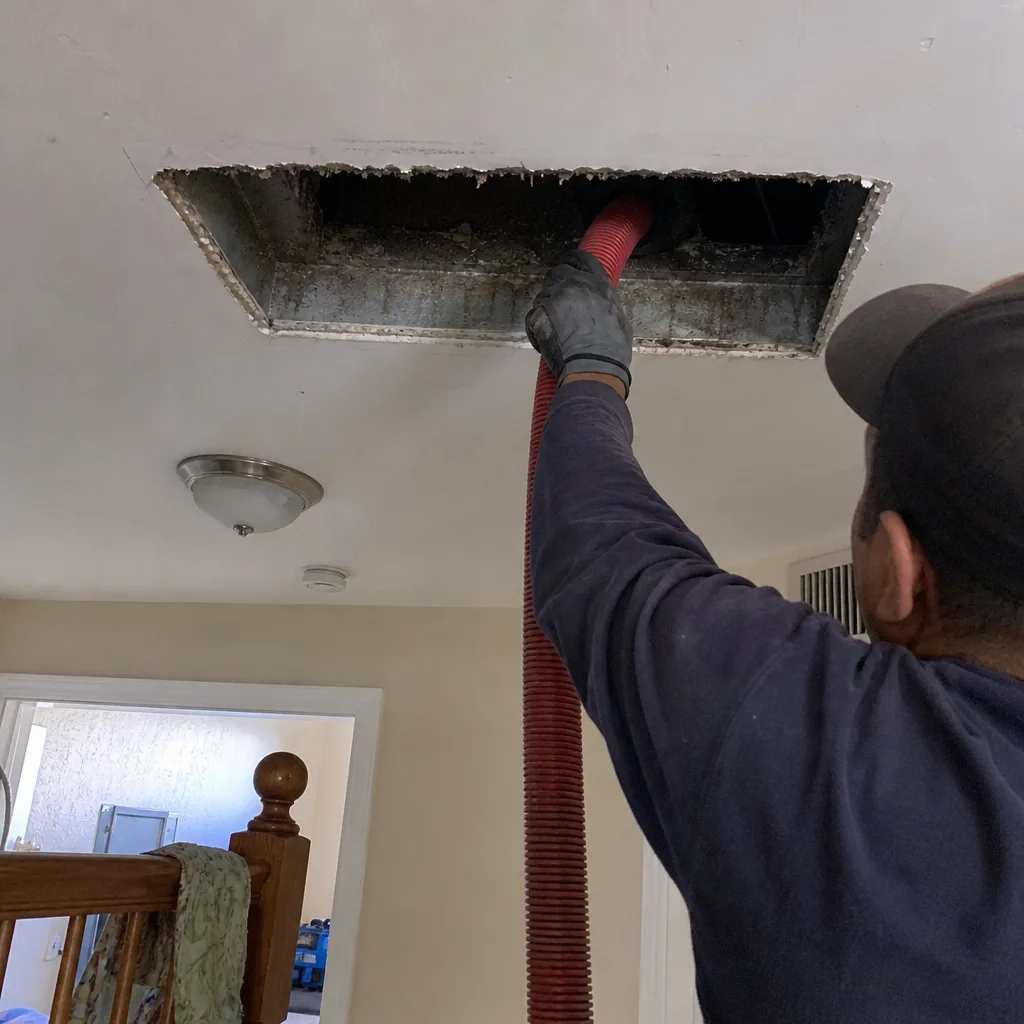 Before
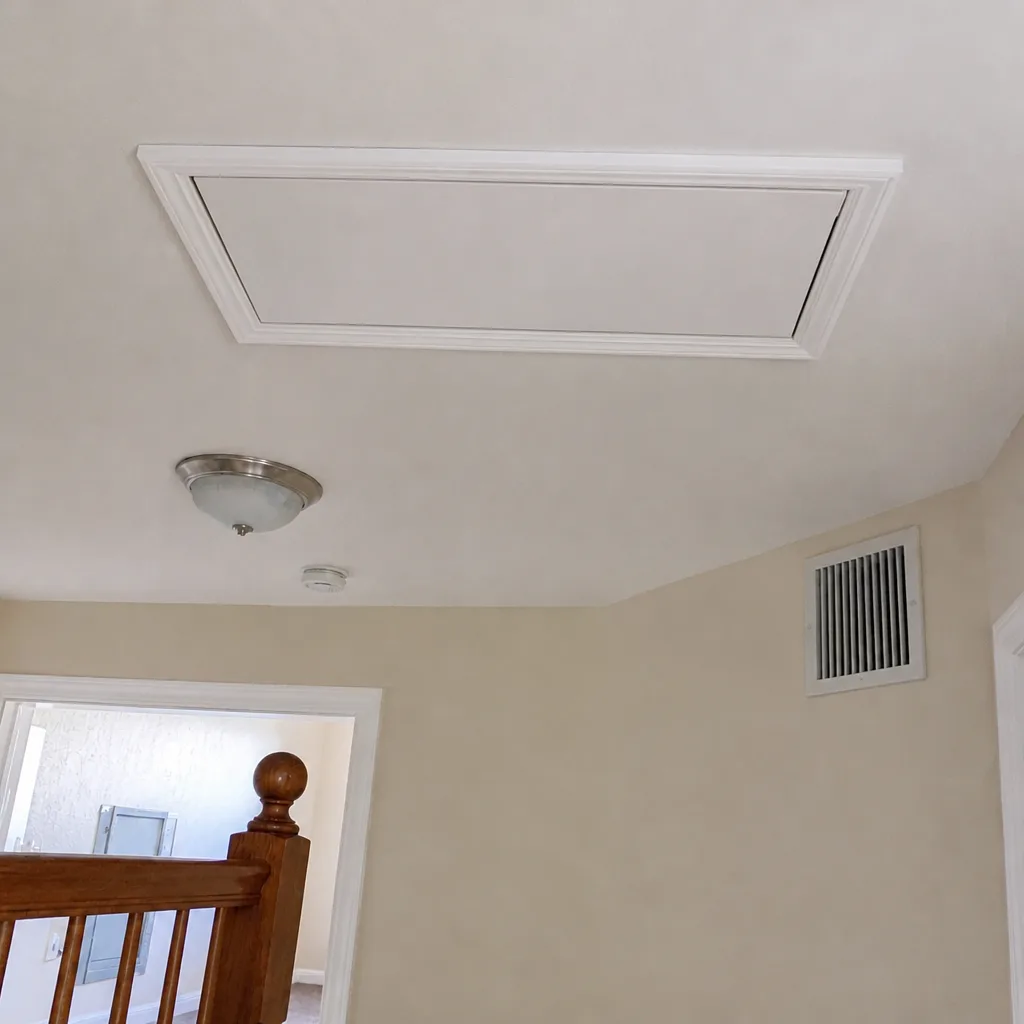 After