
Last updated November 23, 2026
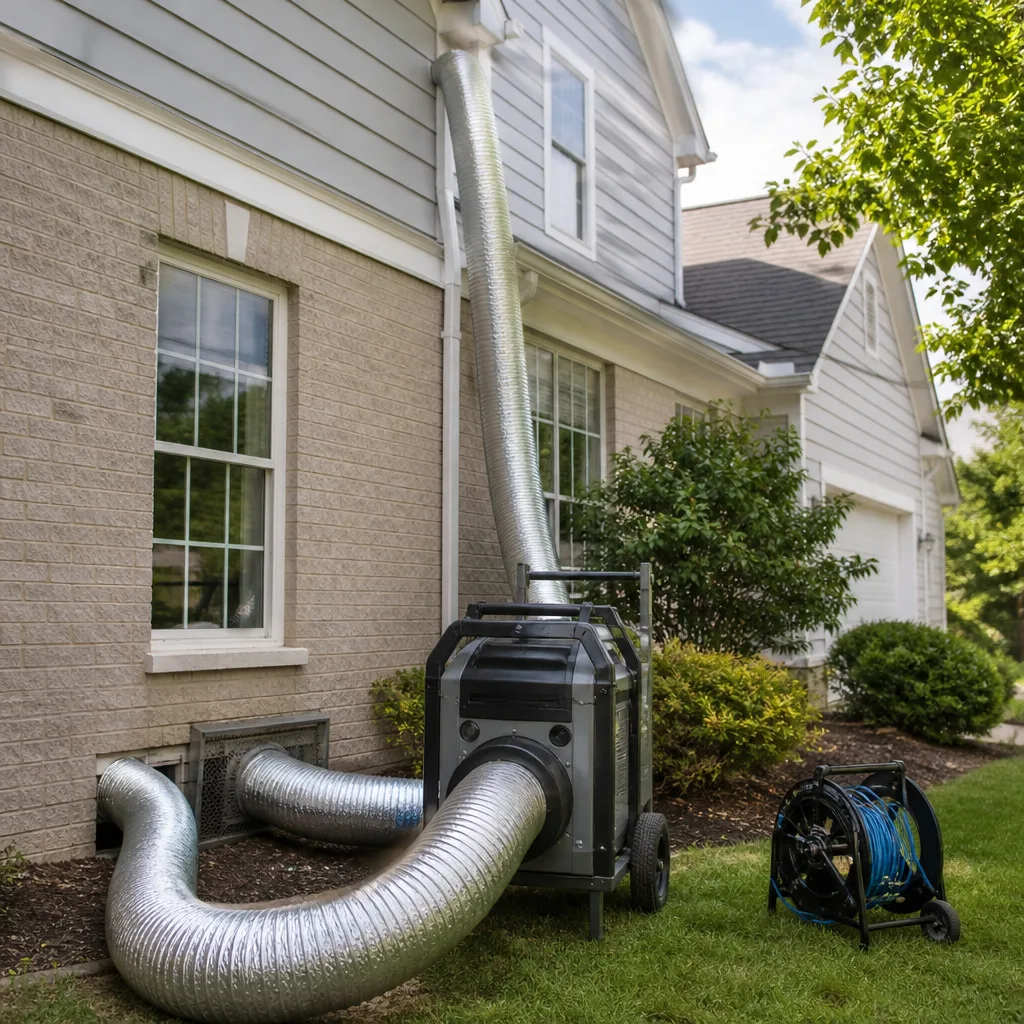 Whole-home duct cleaning
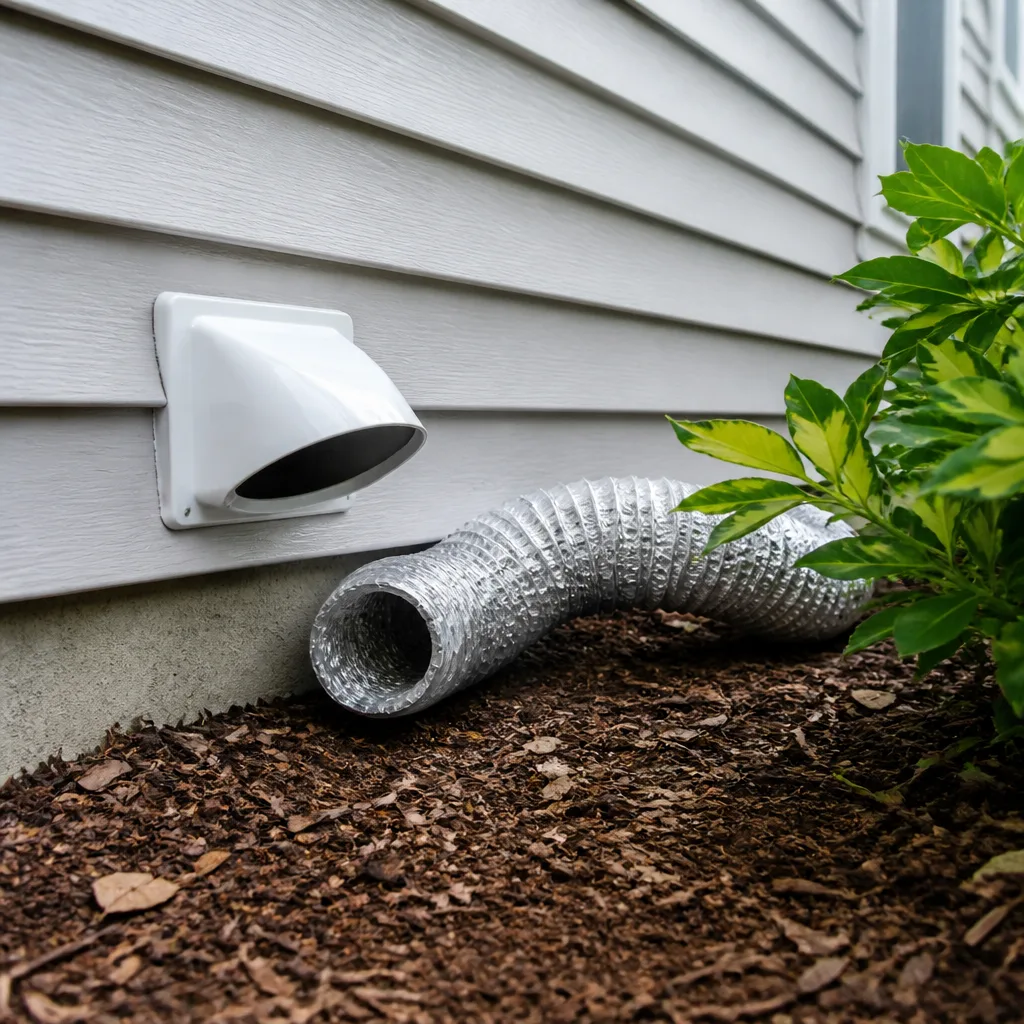 Dryer vent cleaning
 Camera inspection
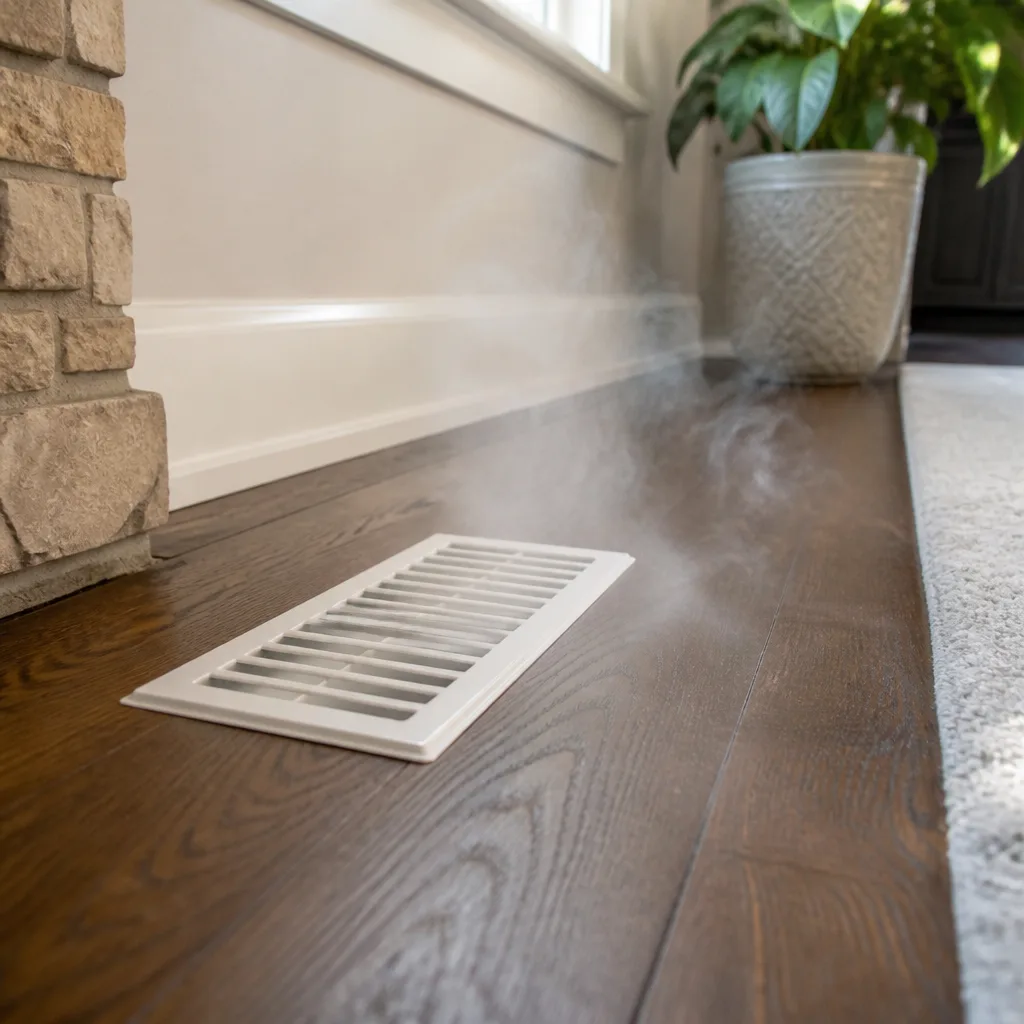 Sanitizing & deodorizing
Whole-system duct and dryer vent check with before-and-after photos - you see exactly what came out of your vents
That "$99 whole-house special" is a bait ad - the real number appears once they are in your hallway, or the "clean" is a shop-vac at the register. We photograph the inside of your ducts before and after instead.
Air Duct Cleaning Permits, Codes & Inspections in Cypress, CA: What You Need to Know
Here’s the part most Cypress homeowners get wrong: cleaning your ducts needs no permit at all. But the same visit that cleans them often includes sealing joints with mastic, swapping out a crushed duct section, or touching an HVAC component, and any of those moves crosses into California mechanical code territory. That boundary is invisible unless someone explains it. In this guide we walk through exactly where cleaning ends and permitted work begins, how Title 24 energy rules overlap with duct sealing, what Orange County Building and Safety actually regulates for Cypress properties, and what unpermitted duct work can mean for your insurance and your resale. It’s the paperwork side of clean air, and it matters more than most people expect.
Quick Answer
Air duct cleaning alone does not require a permit in California. Duct repair, duct replacement, and any modification of an HVAC component generally do require a permit through Orange County Building and Safety, and duct sealing that falls under Title 24 energy compliance may require a HERS rater to verify the work. If your project stays strictly in the cleaning and sanitizing category, no permit and no inspection apply. If it involves new duct material, sealant applied as an energy measure, or a changed HVAC part, ask for the scope in writing and confirm the permit path before anyone starts.
Styles & brands we work with
- Whole-home duct cleaning
- Dryer vent cleaning
- Camera inspection
- Sanitizing & deodorizing
Table of Contents
- Where Cleaning Ends and Permitted Work Begins
- How Title 24 Energy Compliance Touches Duct Sealing
- Orange County Building and Safety: What It Covers in Cypress
- How to Verify a Contractor’s Scope Stays Permit-Free
- What Unpermitted Duct Work Means for Insurance and Resale
- Cypress Climate, Housing, and Why Ducts Deteriorate Here
- What a Duct Inspection Actually Looks For
- A Step-by-Step Guide to Handling Permits Correctly
Where Cleaning Ends and Permitted Work Begins
The dividing line is straightforward once you see it. Cleaning removes accumulated dust, debris, and biological buildup from inside the duct system without altering the system itself. Repair and modification change the physical system, and that’s where the California Mechanical Code and local permitting come in. In our experience across Cypress, this is the single most misunderstood distinction in the trade.
Here’s how the two categories break down:
- Cleaning (no permit): source removal of dust and debris from supply and return ducts, registers, grilles, and the air handler cabinet. Sanitizing applied as part of cleaning also falls here.
- Repair or replacement (permit likely): replacing a section of flex or rigid duct, adding or removing a run, changing duct size, cutting new penetrations in walls or ceilings, or rerouting ductwork.
- HVAC component work (permit likely): replacing the air handler, changing out a blower, or altering the connection between the duct system and the HVAC equipment.
- Duct sealing as an energy measure (permit and possibly HERS verification): mastic or aerosol sealing performed and claimed as an energy compliance measure under Title 24.
The wrinkle that catches Cypress homeowners is that sealing is often sold as an add-on to cleaning, and sometimes it genuinely is a repair-grade fix (a leaky joint taped back together) rather than a Title 24 energy measure. Those are different things, and the paperwork differs. When the sealing is done to close a leak that’s letting attic air into your supply, that’s maintenance. When it’s done to meet an energy compliance requirement, that’s regulated work with a verification step. The company performing it should be able to tell you which one you’re getting before the box is opened.
We don’t just clean – we inspect, repair, and seal, which means we routinely have to explain this boundary to customers who assumed one contractor handled all of it the same way. That isn’t true, and it’s worth knowing before you sign an estimate.
How Title 24 Energy Compliance Touches Duct Sealing
Title 24 is California’s energy code, and it governs the efficiency of everything from windows to insulation to duct systems. Duct sealing becomes a Title 24 item when it’s performed as part of a permitted alteration or new construction, or when it’s installed and claimed as an energy efficiency improvement. The practical effect for Cypress homeowners is that some duct sealing work requires verification by a HERS rater (Home Energy Rating System) before the job can be considered complete and compliant.
Here’s what that means in plain terms:
- Maintenance sealing (no HERS): you have a visible leak at a joint, a contractor seals it with mastic, and the job is done. No permit, no rater.
- Permitted alteration with duct sealing claimed (HERS likely): you’re replacing a duct run or system and the sealing is part of the permitted scope. A HERS rater verifies duct leakage before and after.
- Whole-house energy upgrade (HERS likely): if duct sealing is part of a larger efficiency improvement tied to a permit, verification is generally part of the compliance path.
Why does this matter to a homeowner who just wants cleaner air? Because if someone quotes you duct sealing and tells you a HERS rater will be involved, you now know you’re in the permitted, energy-compliance category, not a maintenance add-on. That affects timing, cost structure, and who signs off. And if someone quotes you the same work and says no rater is needed, ask which category it’s in. A legitimate answer will distinguish the two. A vague answer usually means the contractor hasn’t thought it through.
The best equipment for the cleaning portion of this work matters here, because a poorly contained cleaning job can undo the efficiency gains of sealing. We use air duct cleaning equipment from Abatement Technologies for containment and air filtration, which keeps particulate from redistributing into living space while the work is underway. That’s a separate concern from permits, but it’s the reason a sealing-and-cleaning job should be sequenced correctly: clean first, inspect, then seal what needs sealing.
Orange County Building and Safety: What It Covers in Cypress
Cypress sits in Orange County, and building permits for mechanical and duct work in Cypress properties are generally handled through Orange County Building and Safety. That means when a duct repair, replacement, or HVAC component change requires a permit, the application goes through the county’s permitting process, not a separate city department. Knowing this saves homeowners the headache of applying to the wrong office.
What falls under that jurisdiction:
- Mechanical permits for duct system alterations, new duct runs, and HVAC equipment changes.
- Inspections at the rough-in and final stages for permitted duct work, with a county inspector checking the installation against the approved plan.
- Energy code compliance documentation where duct sealing or system efficiency is part of the permitted scope.
- Records of permit history for a property, which is what a buyer’s inspector and a title company will pull at resale.
For a cleaning-only job, none of this applies. There’s no permit application, no inspection, no record created. That’s the correct answer to the “do I need a permit for duct cleaning in Cypress” question, and it’s worth saying clearly because a lot of homeowners search for it and get a confusing mix of answers. The answer differs based on scope, not on city.
One local note: because Cypress has a mix of older single-family homes and newer construction, the duct systems vary widely. Older homes may have original rigid ductwork that’s been patched over the years, and the question of whether a repair is “maintenance” or “alteration” can be genuinely ambiguous. In those cases, the safe path is to ask the county whether a permit is required for the specific scope, and to get that answer before work begins. County building departments answer these questions routinely; there’s no penalty for asking, and there is a real cost to finding out later that you needed one.
How to Verify a Contractor’s Scope Stays Permit-Free
The single most useful thing you can do is ask for the scope of work in writing, before the visit, with the specific tasks listed. A cleaning estimate that says “clean ducts and seal leaks” is too vague to tell you which side of the permit line you’re on. A scope that says “source removal from all supply and return ducts, no duct section replacement, no HVAC component work” is clearly in the no-permit category. Here’s how to get there, step by step:
- Ask for a written scope. Request that the estimate list every task, including any sealing, repair, or component work, as separate line items.
- Confirm what “sealing” means. Ask whether it’s maintenance-grade mastic at visible leaks, or an energy-compliance measure that would require a HERS rater. Those have different permit implications.
- Confirm no duct material is being replaced. If a section of duct is coming out and a new section going in, ask whether that triggers a permit and who is pulling it.
- Confirm the HVAC equipment isn’t being modified. Cleaning the air handler cabinet is fine; changing a blower or reconnecting the duct to a new unit is not cleaning.
- Get the contractor’s licensing and insurance confirmed. The local pro should be licensed and insured as their state requires. Ask for the license number and verify it through the state board before work starts.
- Keep the written scope with your home records. If the job is later questioned at resale or in an insurance claim, that document is your proof the work stayed in the maintenance category.
Rotobrush and Nikro systems, the professional-grade equipment we use for duct cleaning, are designed for source removal, and source removal is squarely in the no-permit category. When we quote a cleaning, the scope reflects cleaning. When a customer’s system needs repair or sealing beyond that, we tell them, and we tell them which category it falls into. That’s the difference between a cleaning company and a company that understands what it’s doing inside your HVAC system.
What Unpermitted Duct Work Means for Insurance and Resale
Unpermitted duct work is a quiet problem, and it tends to surface at the two worst possible moments: when you file a claim, or when you sell the house. Neither is a good time to discover that a previous contractor replaced a duct run without a permit and now there’s no record of it.
On the insurance side, the issue is usually not that the work itself is dangerous. It’s that an insurer evaluating a claim related to the HVAC system, water intrusion through a duct penetration, or a fire may ask for documentation of the work. If a duct alteration was done without a permit and without inspection, the claim can be delayed, disputed, or in some cases denied, depending on the policy language. That’s not a scare tactic. It’s how claim documentation works.
On the resale side, the disclosure obligation is the bigger issue. California sellers are required to disclose known material facts about the property, and unpermitted work is generally a disclosable item. A buyer’s inspector who spots a duct run that doesn’t match the permitted history can flag it, and the deal can stall while the seller obtains retroactive permits or credits the buyer for the cost of bringing it into compliance. That process is expensive and slow compared to pulling the permit in the first place.
For Cypress homeowners, the takeaway is simple: if the scope is cleaning, there’s nothing to disclose. If the scope is repair or replacement, make sure the permit is pulled and the inspection is passed, and keep the paperwork. Our role as a company that does sealing and repair alongside cleaning is to make that distinction clear before any work starts, so you’re never in the position of discovering a permit gap years after the fact.
Cypress Climate, Housing, and Why Ducts Deteriorate Here
Cypress sits in a mild-winter, warm-summer climate with a marine influence that keeps humidity moderate and temperatures moderate by inland California standards. That mildness is easy on the structure, but it doesn’t spare duct systems. In our experience, three local factors do most of the wear.
- Attic heat gain. Even in a mild climate, Cypress attics get hot enough in summer that duct insulation degrades over time, especially on older flex duct that’s been in place for decades. Degraded insulation means the duct system works harder than it should.
- Dust accumulation from long runtimes. Cooling systems in Cypress often run for long stretches during the warm months, and long runtimes move more particulate through the ducts, which deposits faster than in a climate where the system cycles on and off infrequently.
- Pet dander and renovation dust. Cypress has a lot of pet-owning households and a steady pace of renovation. Both put biological and construction particulate into the return air, and both are the reason we see sanitizing as a common add-on to cleaning rather than a rarity.
Housing stock matters too. The older homes in Cypress often have duct systems that were installed before modern sealing practices, with joints that have loosened over the years. Those are exactly the systems where a homeowner asks about cleaning and discovers a leak that needs sealing, which is precisely the moment the permit question comes up. Inspecting before cleaning is how we keep that conversation honest and specific.
The dryer vent side of the trade is worth separating out here, because it’s a related but distinct system. Lint accumulation in a dryer vent is a fire risk and a maintenance issue, not a duct-permit issue, and it’s handled through dryer vent cleaning rather than through the mechanical permit process. Homeowners often ask about both in the same call.
What a Duct Inspection Actually Looks For
A duct inspection in the context of this guide means a visual and mechanical assessment of the duct system’s condition, done before any cleaning or repair so the scope is accurate. It’s not the same as a county inspection of permitted work, though the two can overlap when a permit is involved. Here’s what a proper inspection checks:
- Structural integrity of the duct runs. Crushed flex duct, separated joints, and disconnected runs are common findings, and each one affects whether cleaning alone will solve the problem.
- Seal condition at joints and connections. Loose mastic, failed tape, and gaps at the air handler connection are the leak points that drive the sealing conversation.
- Insulation condition on exterior duct runs. Degraded insulation in an attic run affects efficiency and can be flagged in a permitted energy-compliance job.
- Biological presence. Visible mold or bacterial growth inside the duct is a sanitizing issue rather than a permit issue, but it changes the scope and the equipment needed. Abatement Technologies containment equipment is what keeps that work from spreading particulate into the home.
- Debris load and source. Construction dust, pet hair, and general accumulation are all cleanable; a source of ongoing intrusion (an open return, a disconnected run) needs repair, not repeated cleaning.
When we inspect, we’re looking for the line between “clean this” and “fix this.” That line is also the line between no-permit and permit-required work, which is why we document the inspection findings and reference them in the estimate. It’s a small habit that saves homeowners a lot of confusion later.
A Step-by-Step Guide to Handling Permits Correctly
If you’re planning duct work in Cypress and want to be sure you’re on the right side of the code, here’s the sequence that works:
- Get an inspection first. Have the duct system assessed before any quote, so the scope reflects what’s actually there.
- Separate cleaning from repair on the estimate. Ask for cleaning, sealing, and any component or duct replacement as distinct line items.
- Identify the permit-triggering items. Duct section replacement, new runs, HVAC component changes, and Title 24 energy-measure sealing are the categories that generally require a permit.
- Confirm the permit path with Orange County Building and Safety. For any scope that includes triggering items, confirm with the county whether a permit is required and who pulls it.
- Confirm HERS involvement for energy-measure sealing. If sealing is being done as a Title 24 compliance measure, confirm whether a HERS rater will verify the work.
- Get the written scope and license before work starts. The local pro should be licensed and insured as their state requires, and the written scope should match what’s been discussed.
- Keep the permit, inspection, and scope documents together. Store them with your home records so they’re available for insurance or resale.
This sequence is unglamorous, and that’s the point. The homeowners who avoid unpermitted-work problems are the ones who did the boring paperwork step before the work began. For a cleaning-only job, steps one and six are all you need. For anything beyond that, the whole list applies.
Common Mistakes to Avoid
- Assuming cleaning and sealing are always the same category. Maintenance-grade sealing at a visible leak is one thing; sealing performed as an energy compliance measure is another, and the second generally involves a permit and a HERS rater. Ask which one you’re being quoted.
- Accepting a verbal scope. A written scope that lists each task separately is what protects you if the work is later questioned. Verbal promises are worth very little at claim time or resale.
- Letting a “cleaning” visit expand into duct replacement without a permit. If a section of duct is being cut out and replaced, that’s not cleaning, and it generally needs a permit through Orange County Building and Safety.
- Skipping the inspection before the quote. A quote given before anyone has looked inside the ducts is a guess, and it’s frequently the reason a job expands on-site into scope that changes the permit picture.
- Not keeping the paperwork. Permit records, inspection sign-offs, and the written scope should live with your home records. Cypress homeowners who sell within a few years of duct work are the ones who need them most.
- Assuming a low quote means a complete job. A quote that doesn’t mention containment equipment or a written scope often means the work is being done without the safeguards that keep particulate out of your living space.
- Confusing dryer vent work with duct permits. Dryer vent cleaning is a maintenance service, not a mechanical permit item. It’s a separate scope and a separate conversation.
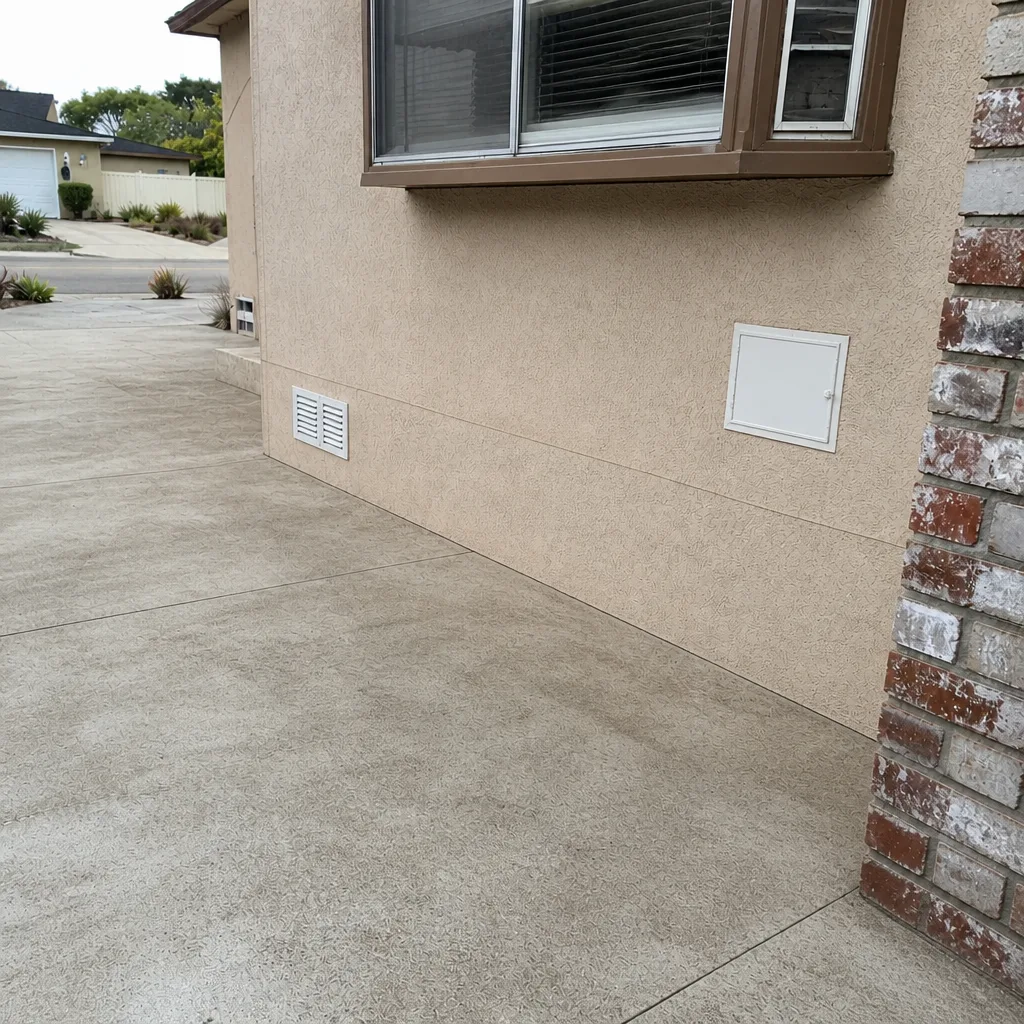
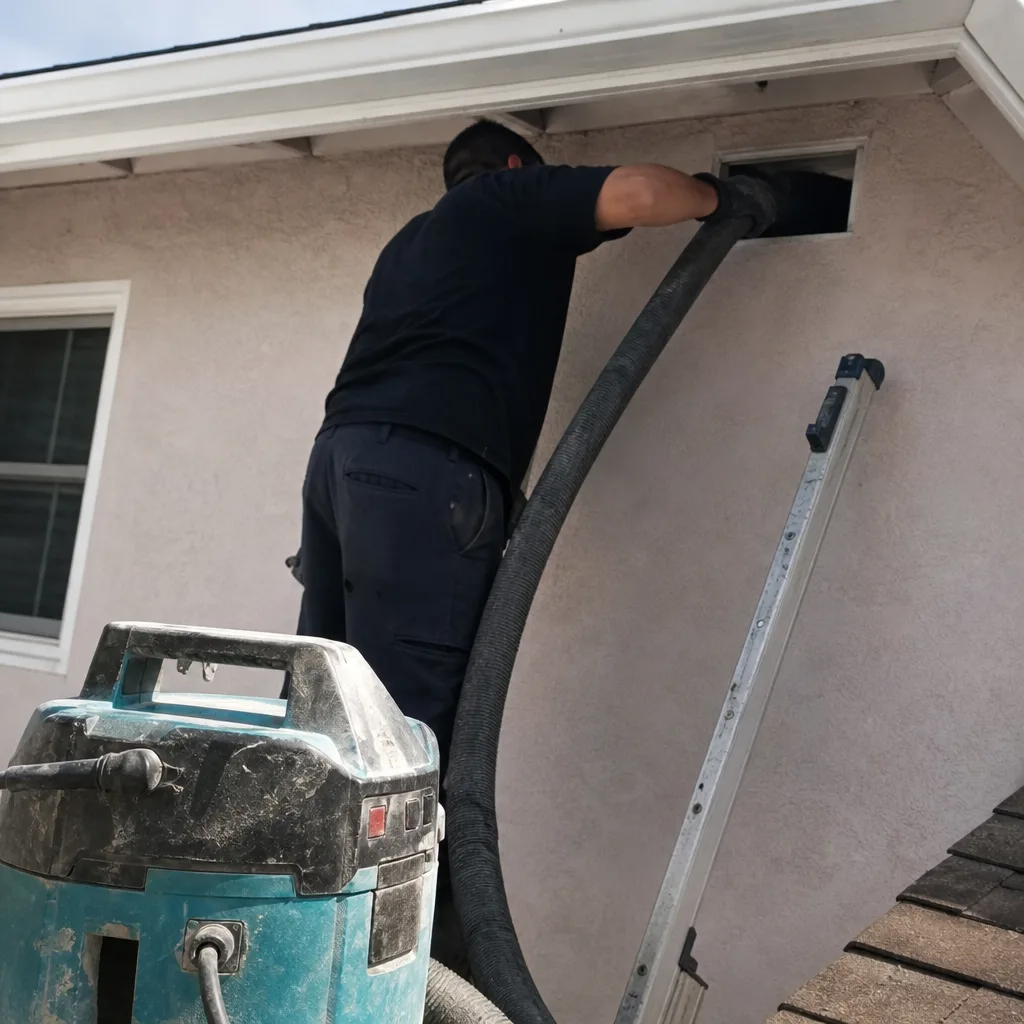
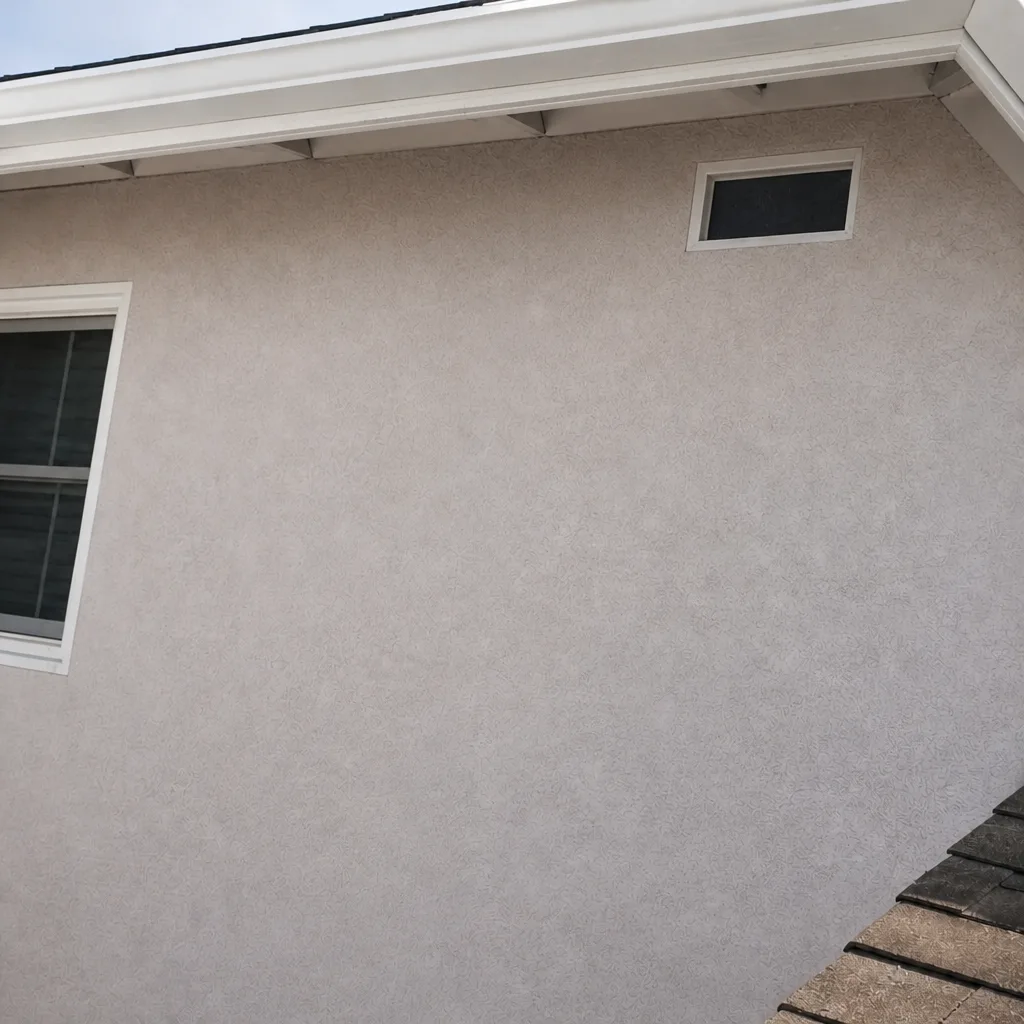
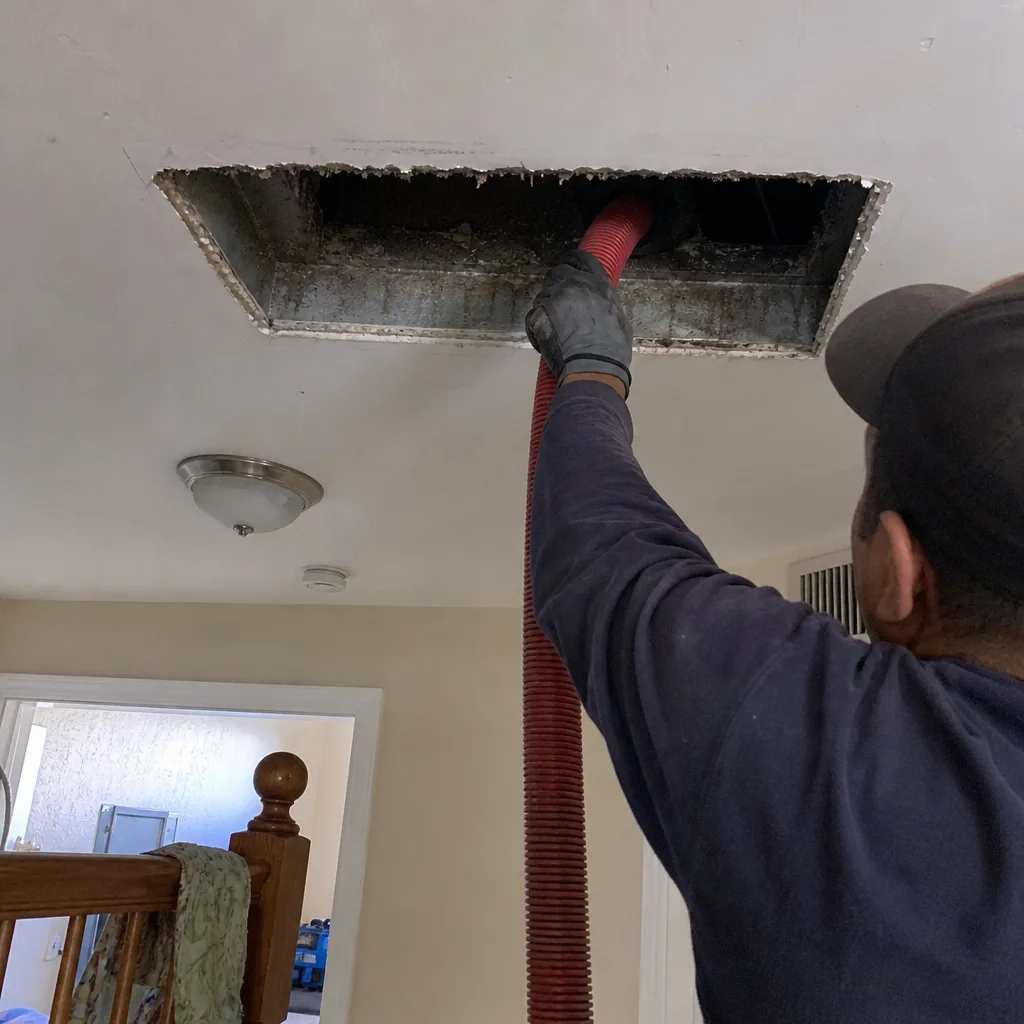
See the difference
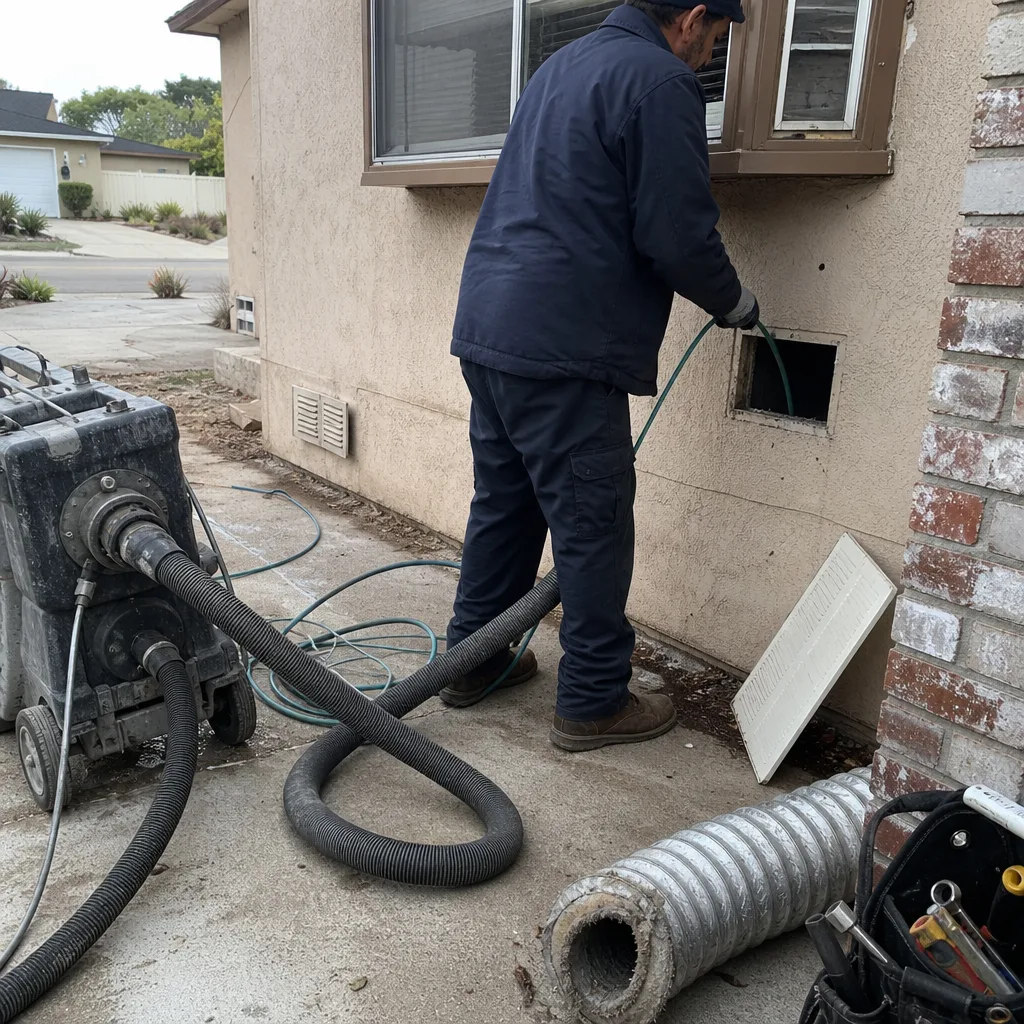 Before
 After
 Before
 After
 Before
 After
When to Call a Professional
Call a professional when you don’t know whether a duct issue is a cleaning problem or a repair problem, because that distinction drives everything else, including the permit question. Call when you’ve bought a Cypress home and don’t have records of prior duct work, since an inspection will tell you what was done and what needs attention. Call when visible mold or persistent allergy symptoms suggest biological growth inside the system, because sanitizing requires containment equipment that shop-vac solutions don’t provide. Call when a duct run is visibly crushed or disconnected, and call before listing a home for sale if you’re unsure whether prior work was permitted. Cypress Air Duct Cleaning Pros offers free estimates in Cypress – call (833) 698-8235. We answer 24/7. Fast dispatch from 7am to 7pm, Sunday through Friday.
Frequently Asked Questions
No. Air duct cleaning in Cypress does not require a permit because it removes debris without altering the duct system. A permit comes into play only when the scope includes duct repair, duct replacement, HVAC component changes, or sealing performed as a Title 24 energy measure. Call (833) 698-8235 for an exact quote – estimates are free.
Duct sealing requires a permit when it’s part of a permitted alteration or claimed as an energy compliance measure under Title 24, in which case a HERS rater may need to verify the work. Maintenance-grade sealing at a visible leak is generally not a permit item. The written scope should state which category applies. Call (833) 698-8235 for an exact quote – estimates are free.
Mechanical permits for duct work on Cypress properties are generally handled through Orange County Building and Safety. The county also handles the inspections that go with permitted work. Cleaning-only jobs don’t enter that process at all. Call (833) 698-8235 for an exact quote – estimates are free.
Unpermitted duct work can complicate an insurance claim if the insurer asks for documentation, and it’s generally a disclosable item at resale under California seller disclosure rules. Getting retroactive permits is possible but slower and more expensive than pulling the permit upfront. Call (833) 698-8235 for an exact quote – estimates are free.
No. The permit requirement depends on the scope of work, not the equipment. Professional-grade Rotobrush and Nikro systems are used for source removal, which is a cleaning category. The permit question turns on whether the work changes the duct system or the HVAC equipment. Call (833) 698-8235 for an exact quote – estimates are free.
Yes. We inspect before quoting, and the inspection findings determine whether the scope is cleaning-only or includes repair work that would trigger a permit. The estimate then lists each task separately so the permit picture is clear before work starts. Call (833) 698-8235 for an exact quote – estimates are free.
The Bottom Line
Air duct cleaning doesn’t require a permit in Cypress, and that’s true. What isn’t true is that the whole visit is exempt. Duct repair, duct replacement, HVAC component work, and duct sealing performed as a Title 24 energy measure generally require a permit through Orange County Building and Safety, and energy-measure sealing may require a HERS rater’s verification. The line between cleaning and permitted work is the line you need to know before signing an estimate. Ask for the scope in writing, confirm which category each task falls into, and keep the paperwork. Cleaning is in the no-permit category, and when a job stays there, the process is simple. When it doesn’t, the permit is what protects you at claim time and at resale. Our technicians have up to 12 years of experience with these distinctions, and we’re glad to walk through them. For a free estimate on any duct work in Cypress, call (833) 698-8235. We answer 24/7. Fast dispatch from 7am to 7pm, Sunday through Friday.
Our full range of HVAC cleaning services includes the inspection step that tells you which category your duct work is in. Learn more about Cypress Air Duct Cleaning Pros and how we approach the full scope, and read our guide to air duct cleaning for the maintenance side of the picture.
Written by the team at Cypress Air Duct Cleaning Pros.