
Last updated November 23, 2026
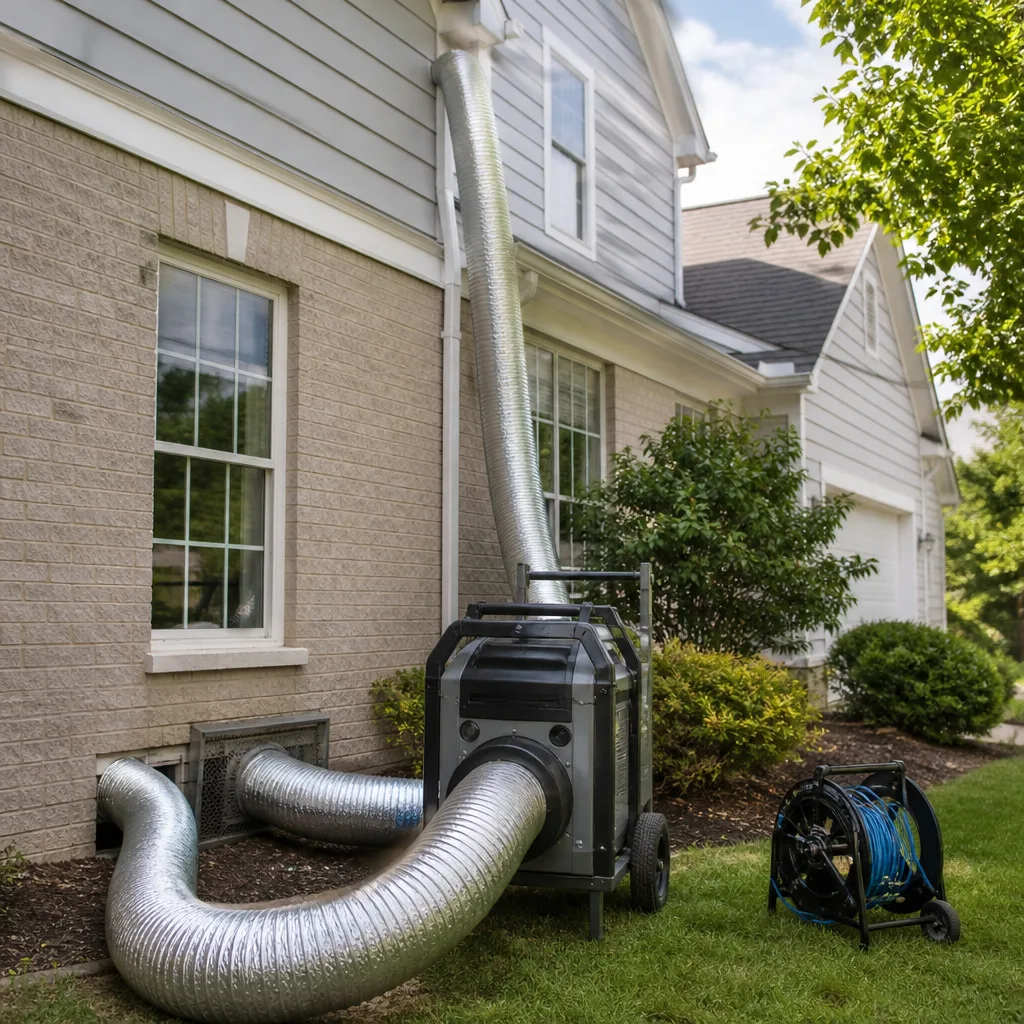 Whole-home duct cleaning
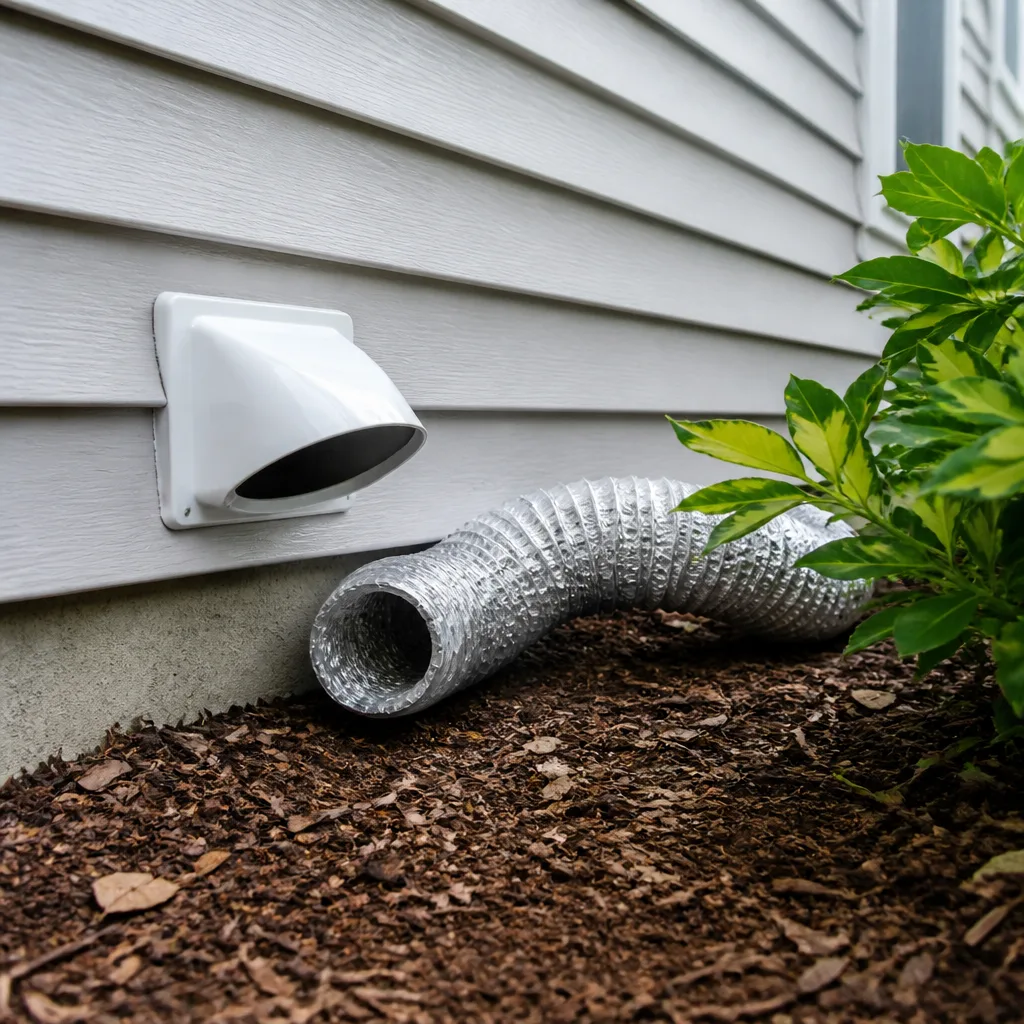 Dryer vent cleaning
 Camera inspection
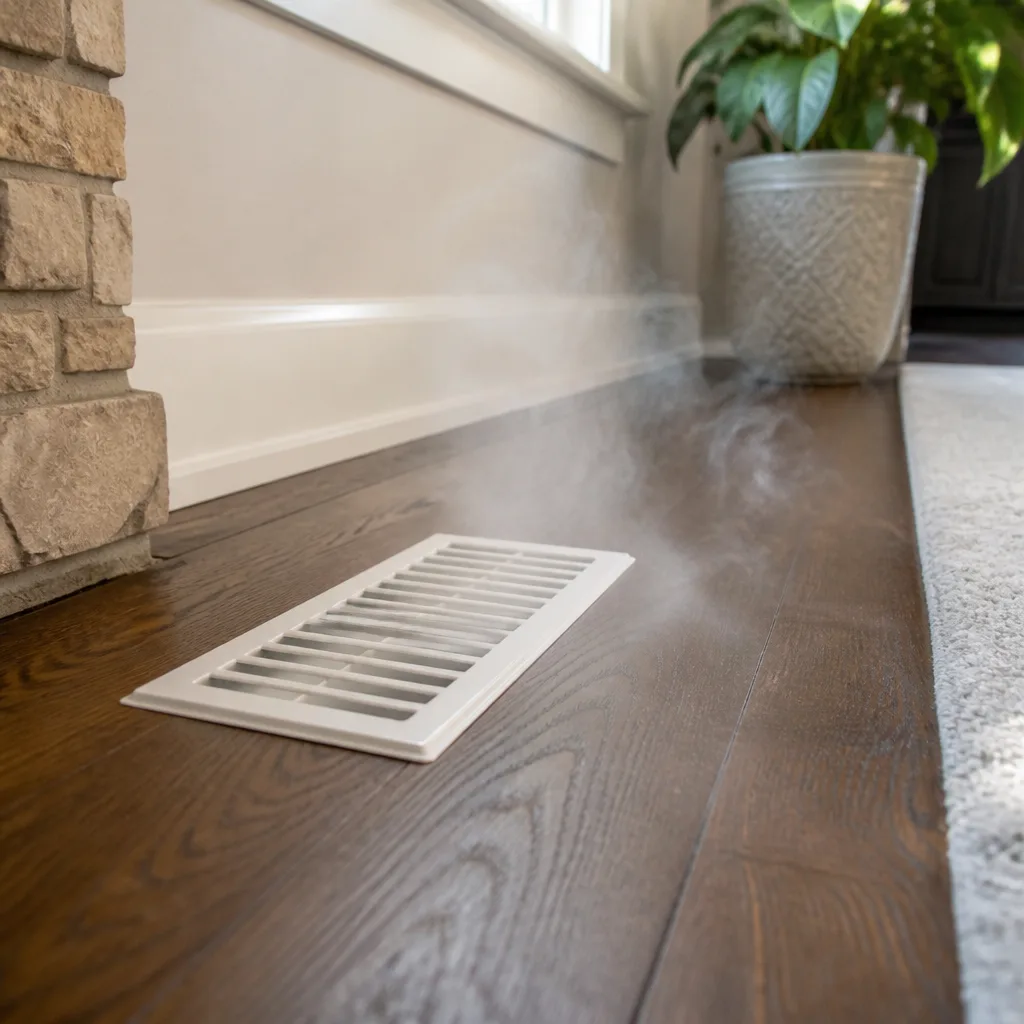 Sanitizing & deodorizing
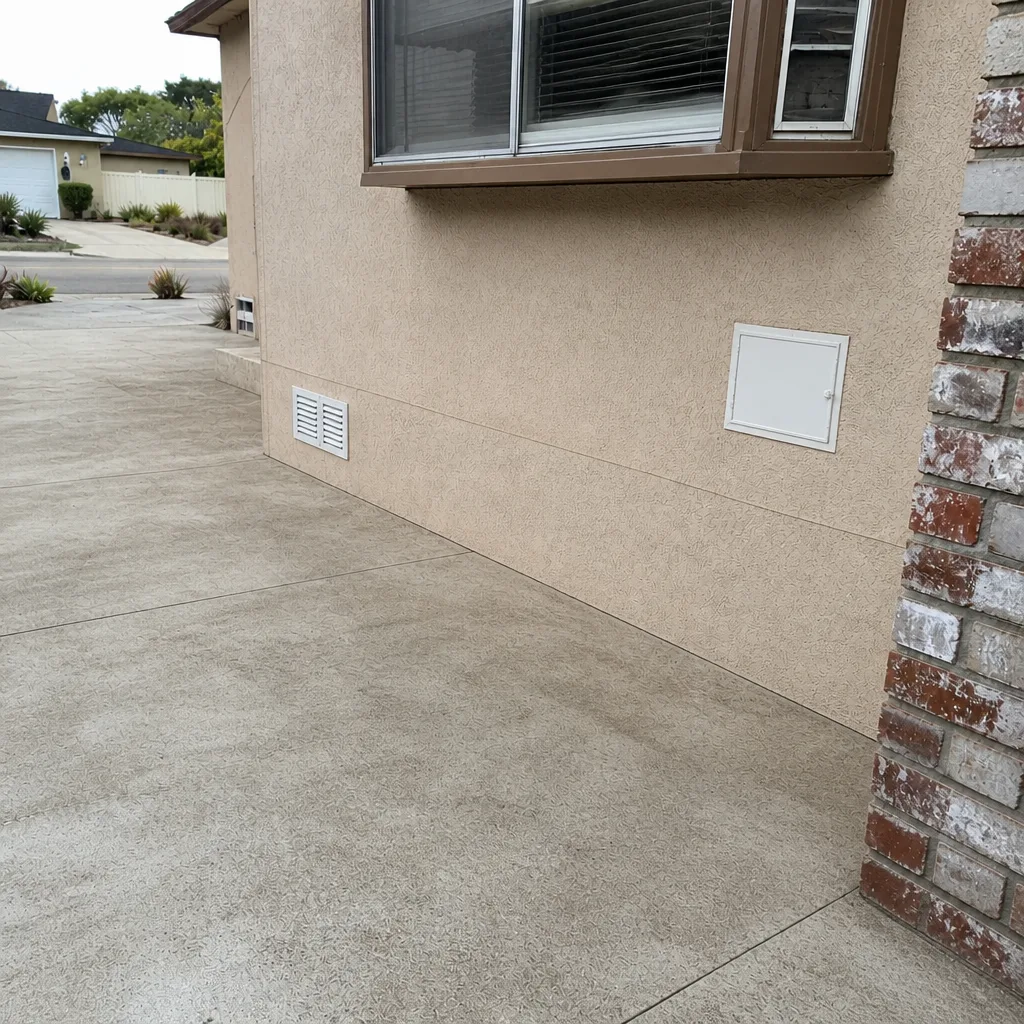
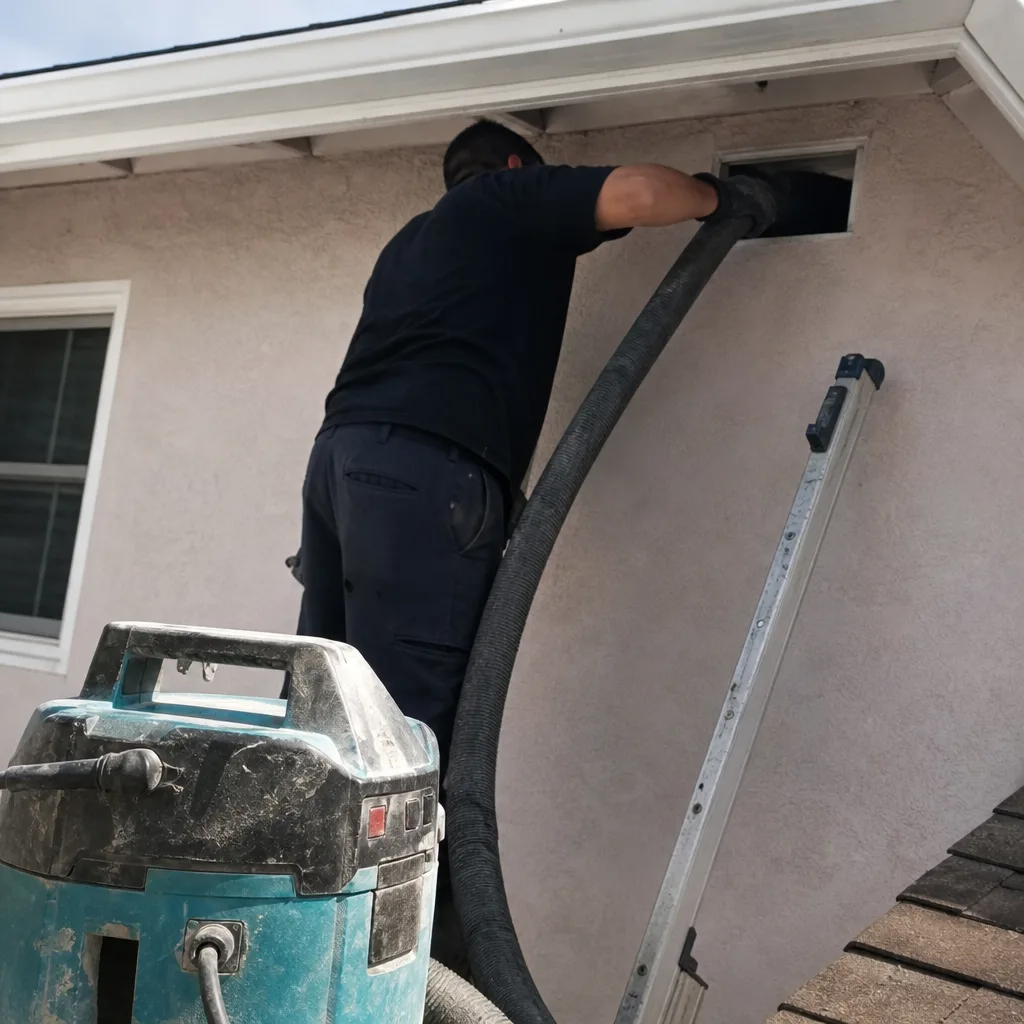
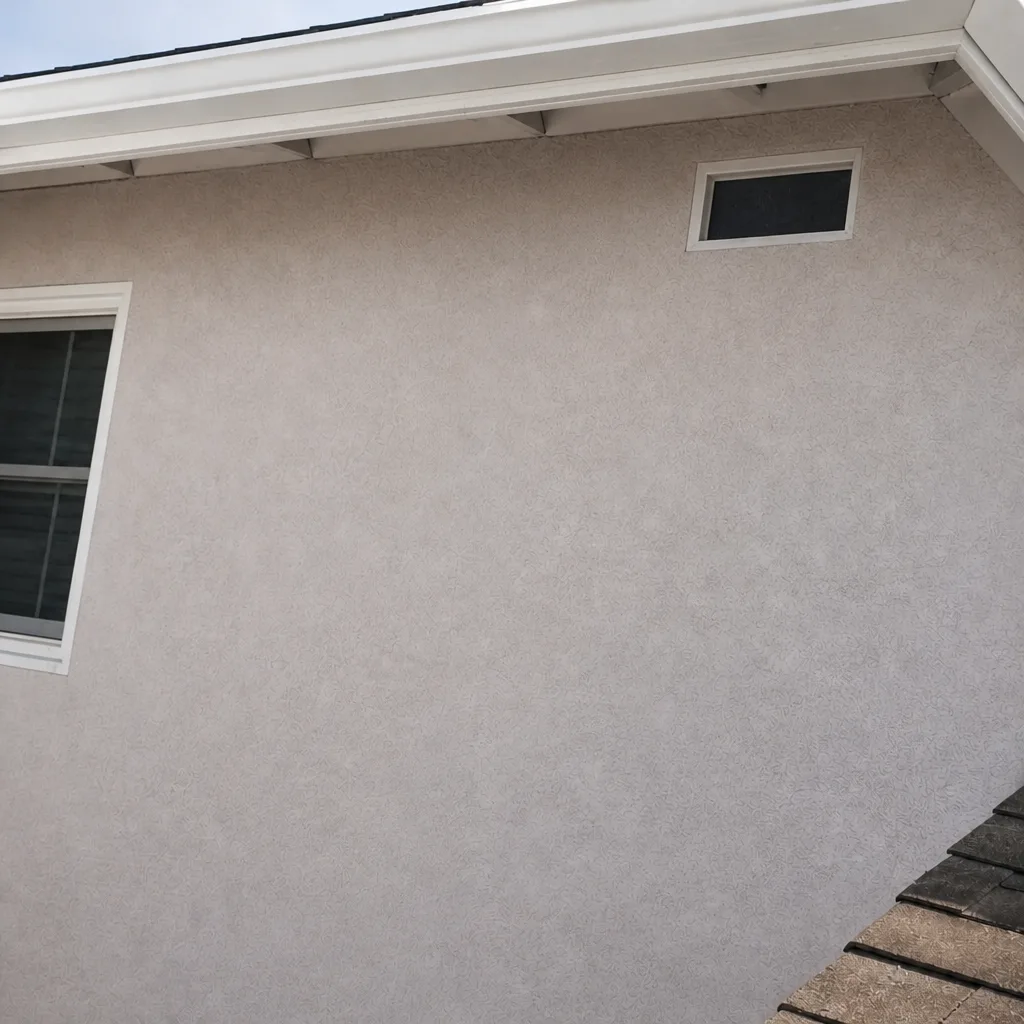
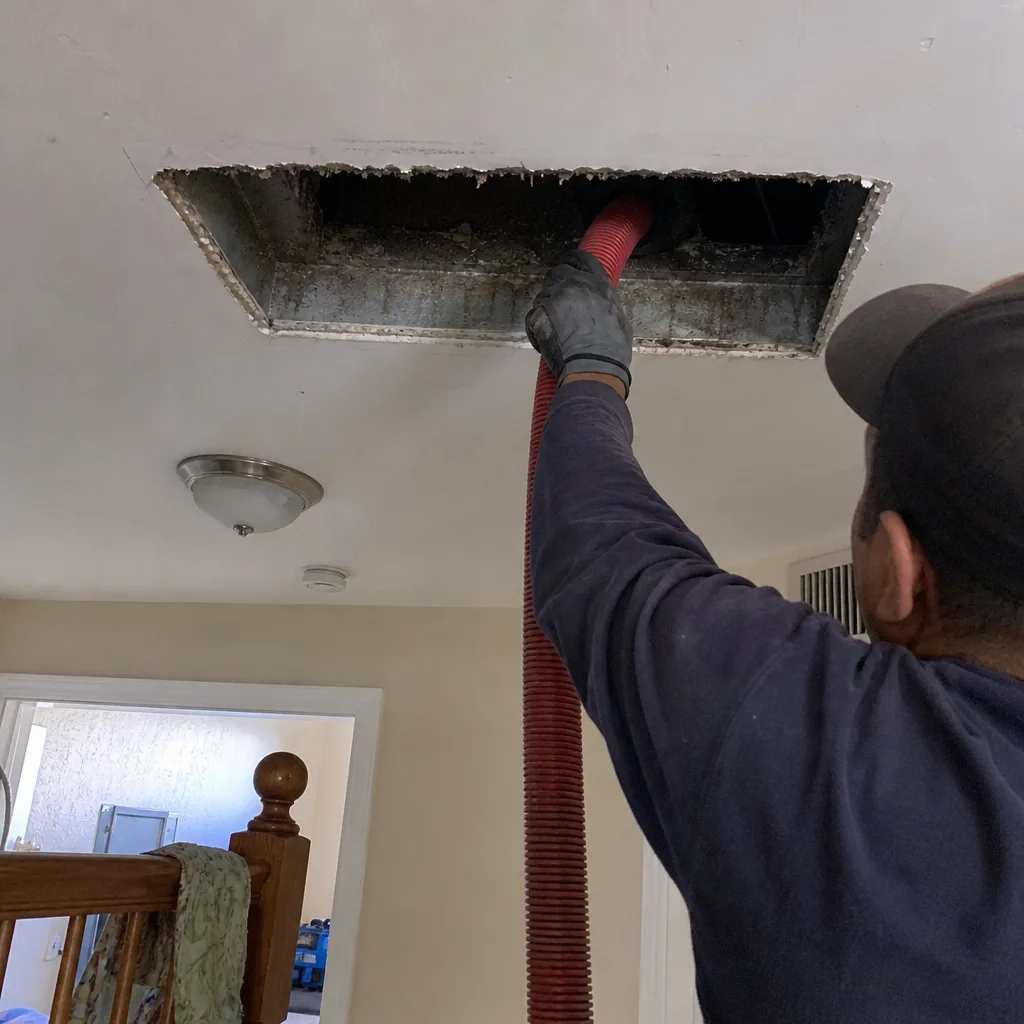
Whole-system duct and dryer vent check with before-and-after photos - you see exactly what came out of your vents
That "$99 whole-house special" is a bait ad - the real number appears once they are in your hallway, or the "clean" is a shop-vac at the register. We photograph the inside of your ducts before and after instead.
Air Duct Cleaning Warning Signs: A Cypress Homeowner’s Reference Guide
By the time you can see dust blowing from a register, you’re already well past the early warning window. The signals that actually matter in a Cypress home show up months before that first visible puff: a bedroom that runs two degrees warmer than the hallway, a utility bill that climbs while the weather stays flat, a smell that only appears in the first thirty seconds after the system kicks on. None of those require a hygrometer or a camera. They require attention. This guide walks through the subtle, system-level signs that your ductwork is loaded with debris, and shows you how to measure what you can observe yourself. We’ve spent enough time inside Cypress homes to know which signals homeowners spot first and which ones they miss.
Quick Answer
The clearest warning signs of duct contamination are uneven room temperatures, rising utility bills in comparable-weather months, musty odors that appear only when the HVAC first starts, visible debris at return grilles, and allergy symptoms that track with indoor air rather than outdoor exposure. Any two of these together usually justify an inspection. One alone is worth watching.
Styles & brands we work with
- Whole-home duct cleaning
- Dryer vent cleaning
- Camera inspection
- Sanitizing & deodorizing
Table of Contents
- Your Utility Bill as a Contamination Proxy
- Musty Smell vs. Dust Smell: How to Tell Them Apart
- Uneven Room Temperatures in Cypress Homes
- What to Look For at Registers, Returns, and the Air Handler
- Allergy Patterns That Point to Ducts, Not Pollen
- Dryer Vents: The Separate Warning System
- When the Signs Cross the Line
Your Utility Bill as a Contamination Proxy
An HVAC system with restricted ductwork has to work harder to move the same volume of air. That extra effort shows up on your bill before it shows up anywhere else in the house. The trick is reading the bill correctly, because Southern California Edison rates shift seasonally and a single month tells you almost nothing. Compare the same month against the same month last year, with the weather reasonably matched, and look for a sustained increase with no change in your habits.
In our experience, a duct system with meaningful restriction tends to push cooling costs up noticeably before the homeowner notices anything else. A rough rule of thumb many HVAC specialists use: a duct system running with significant airflow restriction can cost meaningfully more to operate than a clean one, and the effect compounds in Cypress during the hot inland months when equipment runtime is longest. This is not a number to hold us to; it’s a pattern to watch. If you’re seeing a steady climb across comparable months with no explanation, duct restriction deserves a spot on the suspect list.
Here’s how to read your bill like a diagnostician:
- Pull the same month from last year and this year and match the billing period dates closely.
- Note the actual kilowatt-hour usage, not just the dollar amount. Rates change; usage is the honest signal.
- Rule out changes in the household: a new appliance, extra occupants, more time at home.
- Look for a sustained pattern of three or more comparable months, not a single spike.
- Compare against neighbors with similar floor plans if you’re unsure. Differences of similar-sized homes in the same Cypress neighborhood are informative.
A rising bill by itself doesn’t prove dirty ducts. It’s a flag that says look further. Combined with any of the other signs in this guide, it becomes a stronger case.
Musty Smell vs. Dust Smell: How to Tell Them Apart
Not all duct odors are the same, and the difference tells you what’s actually growing in there. Dust has a dry, chalky, sometimes metallic smell. Mold and biological growth have a musty, damp, cellar-like smell. The two come from different problems, and they call for different responses. Getting the distinction right matters because cleaning alone doesn’t always solve a biological problem; sanitizing does.
Dust Odors
Dust odor smells like the inside of an old bookshelf or a closet left closed. It’s the smell of accumulated particles, skin cells, pet dander, and construction debris sitting on a duct wall. Dust odor tends to be fairly consistent whenever the system runs. It fades somewhat as the air moves and picks up again after the system has been off for a while and restarts.
Musty and Biological Odors
A musty smell in a Cypress home most often traces to moisture in the system combined with organic dust. That combination feeds mold, mildew, and bacteria. The key tell is timing. A biological odor tends to be strongest in the first minute after the HVAC kicks on, because that first burst of air dislodges spores and volatile compounds from the duct walls and coil. Once the system has been running, the smell often fades because the surface layer has been disturbed. If your bathroom and kitchen smell fresh but a bedroom smells like a basement only when the AC starts, you’re likely looking at a biological issue rather than simple dust.
What to do: don’t just clean. Cleaning removes the substrate, but sanitizing with a proper air quality treatment (the kind of service we run using products compatible with Honeywell and Aprilaire filters and equipment) addresses the biology. If mold is suspected, duct repair and sealing matter too, because a leaky duct in a humid crawlspace or attic can keep bringing moisture back.
Uneven Room Temperatures in Cypress Homes
If the master bedroom runs three degrees warmer than the living room on the same thermostat setting, most homeowners blame the air conditioner. That’s often wrong. The HVAC unit typically delivers cool, dry air into the plenum without complaint. What it can’t do is push that air evenly through a duct system that has leaks, disconnected runs, or heavy blockage. Uneven temperatures are frequently a ductwork symptom, not an equipment symptom.
Cypress homes come in a few structural patterns that make this more visible. Single-story ranch homes with long trunk runs often lose pressure at the far end of the house, especially the rooms opposite the air handler. Two-story homes built in the 1980s and 1990s frequently have a run of ductwork passing through an unconditioned attic, where heat gain in the summer months affects air temperature before it even reaches the register. Newer construction in the area sometimes uses flex duct running tight between joists, and flex duct that sags or gets crushed against framing restricts airflow in a way that goes unnoticed until a room is uncomfortable.
Try this simple diagnostic before you call anyone:
- Close the doors to a warm room and leave the thermostat alone for two hours.
- Measure the air temperature at the register with a kitchen thermometer, not your hand.
- Compare that register to a register in a room that feels comfortable.
- A difference of more than three degrees suggests a supply airflow problem on that run.
- Feel the airflow with a tissue at each register. If one tissue barely moves and the others flutter, you have an airflow restriction.
None of these steps replaces a professional inspection, but they give you something concrete to describe when you call.
What to Look For at Registers, Returns, and the Air Handler
You don’t need a camera to spot early contamination. Three inspection points do most of the work, and each one tells a slightly different story. Take ten minutes with a flashlight and a step stool before you decide whether to schedule a full air duct cleaning.
The Supply Registers
Shine your light into the slot behind the grille, aiming at the duct wall. Fresh, clean ductwork shows a light gray or silver interior without buildup. What you’re looking for is the fuzzy, darker patch that grows along the sides and the top of the run. A thin even film is normal. A visible mat, especially one with a texture you can feel with a fingertip, is a warning. If the debris near the register is gray and fibrous, you’re seeing trapped dust and lint. If it’s dark and slightly damp to the touch, you may have a moisture-driven growth issue that requires sanitizing.
The Return Grilles
Returns pull air from the house and send it back to the equipment. Because they handle the whole air volume of the home rather than one room, the return is usually the first place buildup becomes visible. Pop the grille off (most are held by two spring clips) and look at the interior filter space. If you see a thick mat of pet hair and dust wrapped around the opening, the ductwork behind it is almost certainly carrying more of the same. Pet owners in Cypress will find this happens faster than they expect, especially in homes with dogs or cats shedding seasonally.
The Air Handler and Evaporator Coil
Locate the air handler (often in a closet, garage, or attic). With the unit off, open the panel if it’s designed to be opened from outside. Look at the blower wheel and the visible portion of the evaporator coil. A light dusting is normal. A caked, uneven coating on the coil fins, or visible matted buildup on the blower blades, means the whole system is working with compromised airflow. This is where HVAC cleaning comes in as a distinct service; duct cleaning alone doesn’t address the coil or blower.
What Each Debris Type Suggests
- Gray fibrous dust: normal accumulation, usually resolved by cleaning.
- Dark, damp-feeling debris: moisture-driven biological growth; needs sanitizing after cleaning.
- Construction debris (drywall dust, sawdust, small chips): recent renovation, or older home with pre-renovation remnants in the ducts.
- Pet hair matted at returns: higher-than-average household particulate load; consider more frequent cleaning cycles.
- Pest evidence (droppings, nesting material): call a professional; this requires careful containment, not a shop-vac.
Allergy Patterns That Point to Ducts, Not Pollen
The diagnostic question for anyone with allergies or asthma is timing. Outdoor pollen allergies track the seasons and often ease when windows are shut. Duct-related irritation tracks the HVAC. If your symptoms flare specifically when the system is running, or specifically in the first hour after you get home and the system is cycling, the ducts are the more likely source.
Our technicians have up to 12 years of experience, and this pattern is one of the most consistent things we come back to. Families with young children notice it before adults do, in our experience, because children spend more time playing on the floor where settled particles concentrate. Parents in Cypress often describe a toddler who coughs more in the family room than the bedroom, with no obvious outdoor trigger. Pet owners often describe waking up congested despite keeping pets off the bed. Neither pattern is proof, but both are strong signals that household air volume is doing some of the work.
Red flags that point to the duct system, not the outdoors:
- Symptoms are worst indoors and ease consistently outdoors.
- Cough or congestion worsens within thirty minutes of HVAC startup.
- Symptoms concentrate in rooms with the dirtiest returns.
- Antihistamines help less than expected during allergy season.
- Symptoms improve after a vacation from home, then return within a week.
If any of those patterns are familiar, a full inspection with a proper air quality scope (not just cleaning) makes sense. In our experience, air duct cleaning paired with sanitizing and filtration improvements produces more consistent results than cleaning alone for households with allergy concerns. We install Honeywell and Aprilaire products specifically because they work together with professional cleaning to keep particle loads lower between service cycles.
Dryer Vents: The Separate Warning System
Dryer vent warning signs are different from duct warning signs, and they shouldn’t be lumped together. A clogged dryer vent doesn’t just cost you efficiency. It also increases the risk of a dryer fire by trapping heat and lint near the appliance. Three signs are worth acting on immediately: clothes take two cycles to dry when they used to dry in one, the dryer cabinet feels hot to a light touch on the outside during a load, or the exterior vent flap doesn’t open fully when the dryer is running.
A quick self-check: with the dryer running and the exterior vent flap observed from outside (keep a safe distance), the flap should push open and stay open. It should flutter, not flap lazily. If it barely moves, airflow is restricted. If you see lint collecting around the outside vent cap, that’s exactly the lint that also backs up into the interior transition duct near the appliance.
Our dryer vent cleaning is a natural complement to duct service because both deal with the same type of debris under different conditions. When homeowners ask us about scheduling, we usually suggest they handle both together rather than as separate appointments. It’s a single call, and the visit is more thorough than two separate trips.
When the Signs Cross the Line
Any single symptom on its own is worth watching. A cluster of three or more is a reasonable threshold for calling a professional. The signs that warrant coming out soon rather than tracking for another season are:
- Musty odor that returns within hours of restarting the system.
- Visible matted buildup at multiple return grilles.
- Allergy symptoms that clearly correlate with HVAC runtime.
- A utility bill that’s climbed across comparable months.
- Recent renovation or water damage in the home.
- A newly purchased Cypress home without a documented duct cleaning.
- Dryer vent flap barely moving or clothes taking two cycles.
When we arrive for an inspection, we use Cypress Air Duct Cleaning Pros equipment and containment from Abatement Technologies so the debris that comes out of the ducts doesn’t become household particulate. Cleaning runs on Rotobrush and Nikro systems. If we find leaks or disconnects, we handle the duct repair and sealing; if we find biological contamination, we incorporate sanitizing into the visit. That full scope is what separates a real indoor air quality visit from a quick blow-through.
Common Mistakes to Avoid
- Trusting a bare-bones coupon price over a written scope. A low advertised price often becomes a much larger invoice once the technician is on site. Ask for the flat price per system in writing before anyone starts.
- Skipping the visual inspection and going straight to cleaning. Cleaning without a diagnosis can leave a leaky duct or a damaged component untouched. Cypress homes with attic runs need to be inspected carefully, not just cleaned.
- Assuming the HVAC unit is the problem when the ducts are. Uneven temperatures and allergen complaints frequently trace to duct restriction, not to the compressor or condenser.
- Cleaning once and forgetting filtration afterward. A high-efficiency filter and a properly sealed system extend the results of professional cleaning. Without them, contamination returns faster.
- Ignoring the dryer vent because it seems like a separate appliance. Dryer vents deserve their own service schedule, not a “we’ll get to it” approach.
- Comparing quotes without comparing equipment. Professional containment, proper filtration tools, and a clean-before-photo record all matter. A quote that omits them is not comparable.
- Assuming a new-to-you home is clean. Homes recently renovated, recently sold, or previously owner-occupied for years often carry construction debris and old buildup in the duct system.
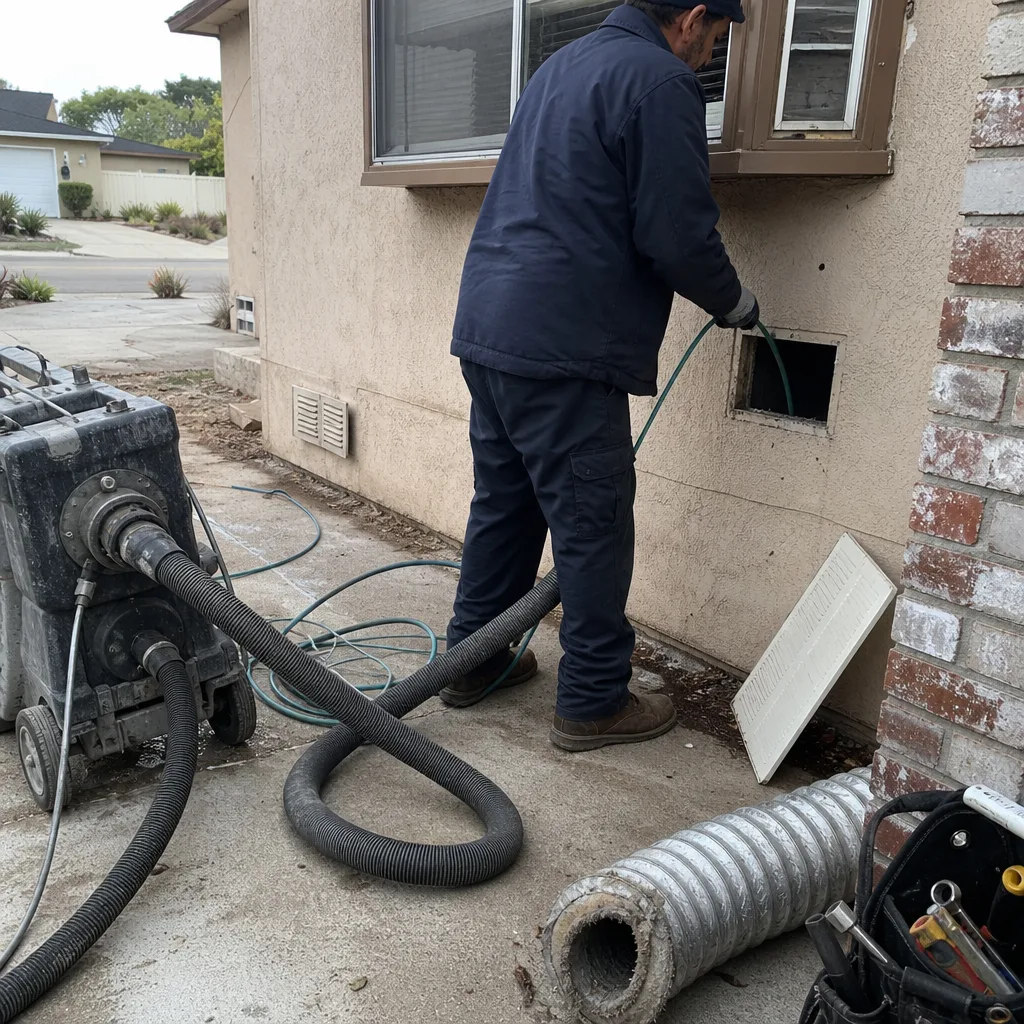
See the difference
 Before
 After
 Before
 After
 Before
 After
When to Call a Professional
Call when you have three or more warning signs, when a musty odor returns within a day of the system running, when allergy symptoms correlate clearly with HVAC runtime, or when a newly purchased Cypress home has no documented duct cleaning. Also call if you suspect pest activity in the system, if you’ve had water damage or a renovation, or if your dryer vent flap barely moves. These are not the kinds of issues that resolve with time. Cypress Air Duct Cleaning Pros offers free estimates in Cypress. Call (833) 698-8235. We answer 24/7. Fast dispatch from 7am to 7pm, Sunday through Friday.
Frequently Asked Questions
Most Cypress homes benefit from duct cleaning every three to five years, but the honest answer depends on your household. Pet owners, families with allergy sufferers, homes near construction, and households that smoke or do frequent cooking all build contamination faster. Homes with a documented clean-and-seal history after a renovation often push those intervals longer. A visual inspection is the honest test, not a calendar.
Most whole-home duct cleaning jobs in Cypress fall somewhere in the range we quote after inspection, and the written estimate sets the exact price. Per-vent pricing is the wrong model for a whole-system job: it invites one number on the phone and a much larger number on the invoice. We price one flat rate per system, agreed before work starts. Call (833) 698-8235 for an exact quote; estimates are free.
Usually the cheap quote is missing containment, filtration equipment, or a real inspection before cleaning. The technician works with a shop-vac style tool and no HEPA capture, which pushes debris into the household air rather than out of it. In our experience, the fast, low-price visit is the one most likely to leave a leaky duct untouched and a musty smell unresolved. A proper scope shows the equipment used and the price for the whole system, not per vent. Call (833) 698-8235 for an honest full-scope estimate.
Ask for before-and-after photos of your own ducts, not stock imagery. Any professional-grade service will capture the interior of the run before cleaning and again after, including the coil and blower area. If a company can’t produce photos of your actual system, that’s the signal to ask questions. We photograph every system we clean. Call (833) 698-8235 to schedule an inspection.
Cleaning alone may help, but consistency comes from cleaning plus sealing leaks and adding filtration. Duct cleaning removes the substrate contaminants rest on; sanitizing addresses biological growth; sealing protects the clean state afterward. For Cypress homes with allergy concerns, all three work together better than any one alone. Call (833) 698-8235 to talk through the right combination for your home.
Not always. A musty smell can come from dust combined with humidity, from a condensate pan, or from a wet filter, before it becomes a mold-in-the-duct issue. What usually matters is when the odor appears. Smell in the first minute after HVAC startup points to the duct surfaces; smell that persists all day points to equipment or moisture. Call (833) 698-8235 for an inspection that identifies the source properly.
The Bottom Line
The warning signs that matter most are the quiet ones: a bill that climbs in comparable weather, a smell that only shows up at startup, one room that never quite matches the rest of the house, allergy symptoms that live indoors instead of out. You can observe all of these yourself without tools, and any two together are worth an inspection. Professional-grade equipment from Rotobrush, Nikro, and Abatement Technologies is what turns an inspection into a real answer. Cypress Air Duct Cleaning Pros covers cleaning, sealing, repair, sanitizing, and dryer vents under one call, so the whole system gets addressed. Reach out when the signs stack up, not after they’ve turned into a visible problem.
Pick up the phone and call (833) 698-8235 for a free estimate. We answer 24/7. Fast dispatch from 7am to 7pm, Sunday through Friday. Written estimates set the final price, one flat price per system, before any work begins.
Written by the team at Cypress Air Duct Cleaning Pros.