
Last updated November 23, 2026
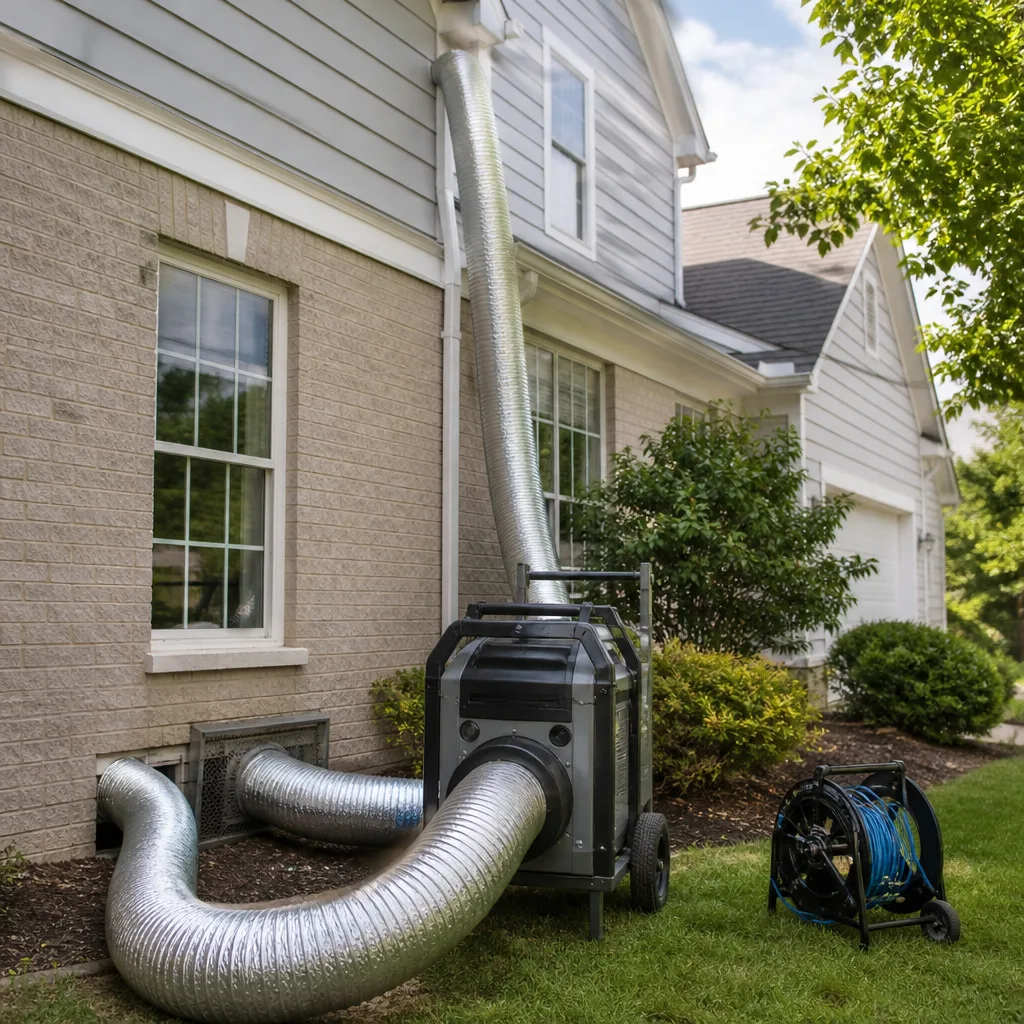 Whole-home duct cleaning
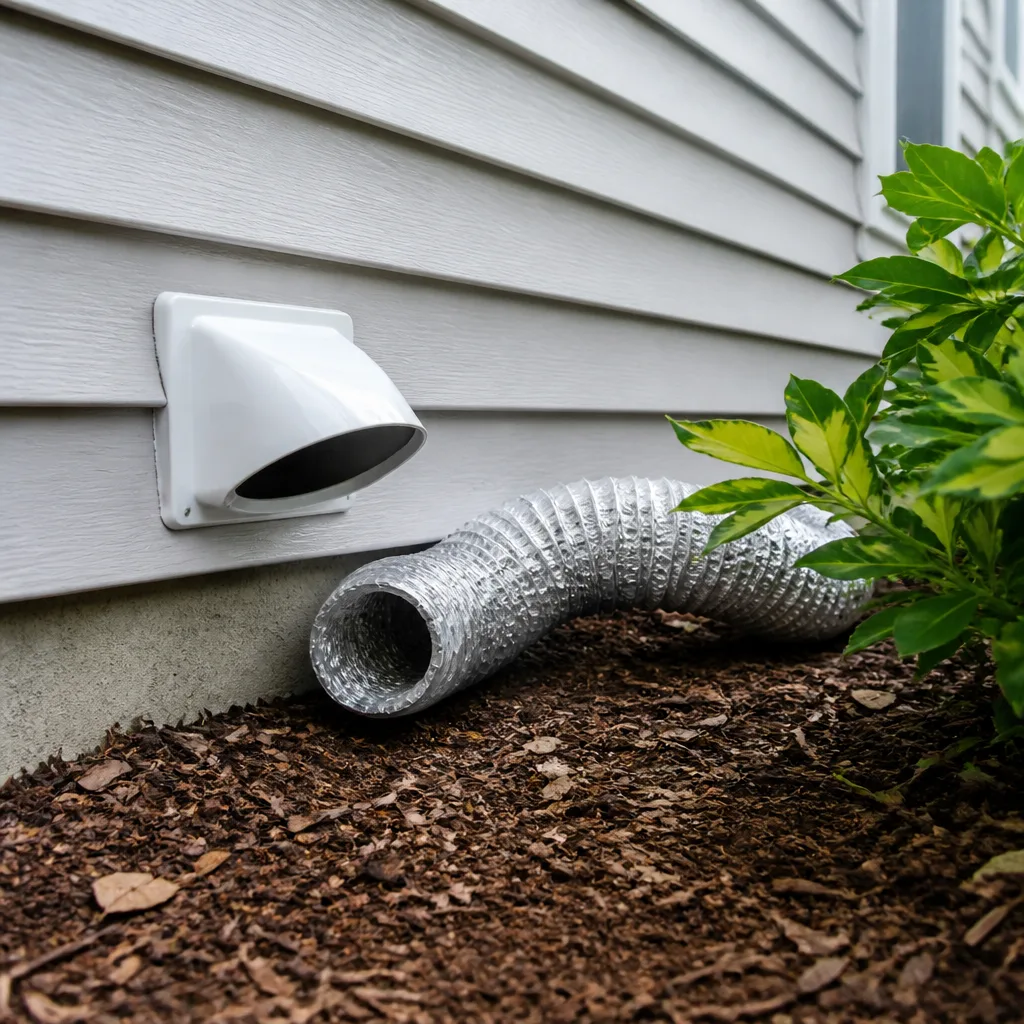 Dryer vent cleaning
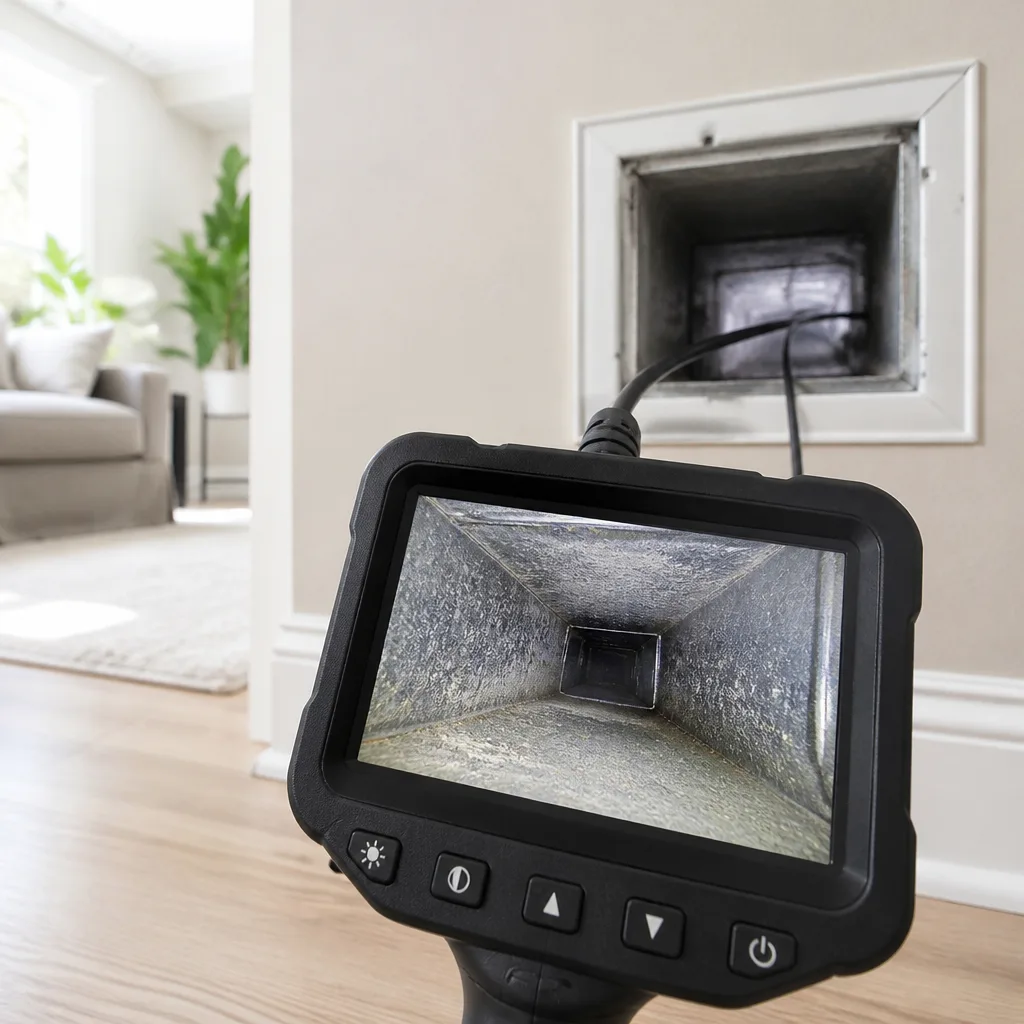 Camera inspection
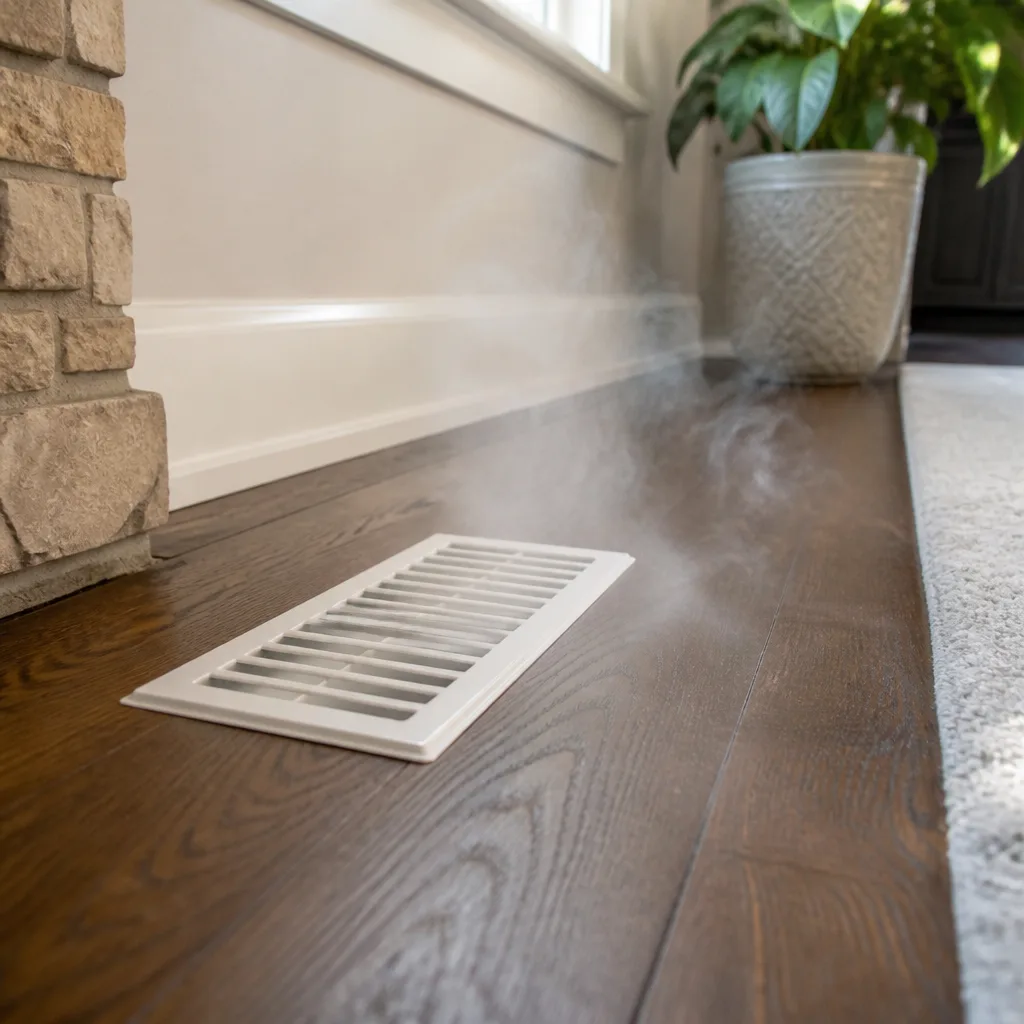 Sanitizing & deodorizing
Whole-system duct and dryer vent check with before-and-after photos - you see exactly what came out of your vents
That "$99 whole-house special" is a bait ad - the real number appears once they are in your hallway, or the "clean" is a shop-vac at the register. We photograph the inside of your ducts before and after instead.
How to Hire an Air Duct Cleaning Contractor in Cypress: A Step-by-Step Guide
Most homeowners hire the first duct cleaning company that shows up in a coupon mailer. That’s backwards. The Federal Trade Commission has issued formal consumer warnings about air duct cleaning scams more than once, and the $49 whole-house offer in your mailbox is almost always the opening move in a high-pressure upsell. The real work isn’t finding a company. It’s screening out the ones you don’t want inside your home. This guide walks through how a legitimate contractor proves they’re legitimate, which equipment must show up, what contract language to reject, and what to document so you have recourse. Cypress homeowners get a screening process, not a list of soft questions.
Quick Answer
Hiring an air duct cleaning contractor in Cypress comes down to verifying three things before you book: that the company holds verifiable NADCA membership and technician certification numbers you can confirm independently, that the crew arrives with a negative-pressure machine, contact vacuum and inspection camera, and that the written contract names a specific scope with no automatic add-on authorization. If any of those three fails, walk away. A real contractor welcomes the questions. A bad one gets defensive.
Styles & brands we work with
- Whole-home duct cleaning
- Dryer vent cleaning
- Camera inspection
- Sanitizing & deodorizing
Table of Contents
- Step 1: How to Verify NADCA Membership and Certification Numbers
- Step 2: What Equipment a Legitimate Contractor Must Arrive With
- Step 3: Red-Flag Contract Language to Catch Before You Sign
- Step 4: How to Compare Two Legitimate Bids in Cypress
- Step 5: What to Document During and After the Job
- Local Signals That Separate a Real Contractor From a Transient Operator
- The Questions to Ask on the Phone Before Booking
Step 1: How to Verify NADCA Membership and Certification Numbers
NADCA membership is the first filter. The National Air Duct Cleaners Association (NADCA) publishes performance standards that separate actual duct cleaning from a shop vac and a spray bottle. Most homeowners never check. That’s the gap scammers count on. The fix is simple: ask for the membership number and the individual certification number, then look them up yourself. Don’t take a phone representative’s word that “we’re NADCA certified.” That phrasing alone is a tell, because a company isn’t certified. Individual technicians hold certification from NADCA.
Here’s how to verify in Cypress without spending an afternoon on it:
- Ask for the certification number at booking. Not a “yes, we’re certified” answer. A number you can verify.
- Look up the number on NADCA’s directory. If the number doesn’t link back to a real company or technician, that’s your answer.
- Ask the company to confirm the on-site technician’s certification. The crew that shows up should include an individual who holds certification, not just a manager who does.
- Request proof of state licensing and liability insurance. In California, ask for the contractor’s state license number and check it against the Contractors State License Board database.
Any legitimate Cypress company answers these questions without hesitation. They’ll often volunteer the numbers before you ask. A company that pivots to a special price or “we’re running a promotion if you book today” is changing the subject because the numbers don’t exist.
Why NADCA matters for Cypress households
NADCA’s standard defines what actually counts as cleaning: opening the entire system, cleaning it with proper equipment, restoring any components, and verifying removal of contaminants. Without that standard, “cleaning” is a marketing word. In Cypress homes built during the recent housing boom, duct systems run longer and through more transitions than older, smaller homes, which makes proper cleaning more involved, not less. The standard is what keeps the work honest.
Step 2: What Equipment a Legitimate Contractor Must Arrive With
A real duct cleaning contractor shows up with specific equipment. If the crew that pulls into your driveway is carrying a handheld Shop-Vac and a cordless drill, the booking was fake. This is the most reliable filter a homeowner has, because it can’t be faked by a polished website or a slick phone script. When you book, ask for the equipment list. When the crew arrives, look at the truck. Every professional-grade setup includes the following.
- A negative-pressure machine rated for the whole system. This is the engine of the job. A negative-pressure air machine creates vacuum inside the ductwork while the crew agitates it, so loosened debris flows toward the machine instead of spilling into the air your family breathes. Professional setups run at a flow rating high enough to hold that negative pressure throughout a residential system. Ask the CFM rating; if the dispatcher doesn’t know it, that tells you something.
- A contact vacuum. This is the hose-end tool used to reach into registers, boots and returns. It’s what pulls out settled dust that the negative-pressure machine alone won’t move.
- An inspection camera. A camera that goes inside the ductwork before and after cleaning, with photos or video shown to you, is how you see what was actually removed. No camera means no after picture, and no after picture means no proof.
- Proper containment equipment for higher-sensitivity households. Abatement Technologies equipment is the standard for safe particulate containment, which matters in homes with allergies, pets, young children or anyone with respiratory concerns.
- Agitation tools appropriate to the duct type. Whip heads, brushes and air sweepers sized for the rigid metal or flex duct actually installed in your Cypress home. A single-size tool won’t clean a duct system run through a two-story house.
If any of these are missing, say so before the crew starts. A crew that shows up without a negative-pressure machine or an inspection camera isn’t going to clean what’s actually in your ductwork. You can politely decline the visit and rebook with someone who brings the real setup.
Why the equipment checklist beats the “experience” pitch
Any contractor can claim to have been cleaning ducts for years. The equipment is verifiable. Rotobrush and Nikro systems are the recognized brands used by HVAC specialists, and they aren’t cheap. A company that invested in that equipment is a company with skin in the game. A company running contractors out of a rented sedan isn’t. In Cypress, where homes are close together and neighborhoods are active, a bad operator can hit a whole street in a weekend before moving on. The equipment check is how you screen them out before they’re at your door.
Step 3: Red-Flag Contract Language to Catch Before You Sign
Read the written contract before anyone starts working. Not a scroll on a phone. A physical document or a PDF you can keep. The contract is where a fair job and a high-pressure upsell look almost identical, and a few specific phrases are the tell. Here’s what to scan for.
- Vague scope descriptions. “Clean ductwork as needed” or “treat the system” is not a scope. The contract should name the number of registers, returns, vents and the main trunk, plus the specific work being performed on each. If it uses the word “system” without describing what’s in it, don’t sign.
- Automatic add-on authorization clauses. Language like “if additional work is required at the technician’s discretion” or “authorize additional cleaning at the crew’s recommendation” lets the crew decide to expand the price after they’re inside. Refuse it. Every add-on requires a separate written approval before work begins.
- Language that treats sanitizing as part of the base job, not as a separate line. Cleaning and sanitizing are different services. Sanitizing addresses biological contaminants like mold, bacteria and allergens that cleaning alone may not fully remove. If sanitizing is being applied without a separate signature, ask why. It should be a clear line item you opted into.
- Anything that locks in the final price to a “starting at” figure. A written estimate with a flat, per-system price agreed before work starts is what you want. “Starting at $49” is a lead price. The number on the estimate is the number you should see on the invoice.
- A contract that doesn’t list a starting and completion time. Legitimate jobs in Cypress, generally, take a few hours depending on system size and duct condition. Open-ended language invites the crew into improvisation.
- Language that waives your right to photograph or document the work. Any clause that restricts your ability to inspect or record is a red flag. You’re paying for the job, so you document the job.
One more: check the warranty. A legitimate contractor stands behind the work with a written satisfaction guarantee. If the contract is silent on what happens if the work is incomplete or the ducts aren’t clean, ask the company to add it in writing before you sign.
Step 4: How to Compare Two Legitimate Bids in Cypress
Get two written estimates from companies you’ve verified. Comparing them tells you more than comparing prices. Real duct cleaning bids itemize by scope, and the line items line up once you strip out the marketing. In the Cypress market, prices vary with system size, duct condition, accessibility and whether repair or sanitizing is included. Here’s what a fair bid looks like as a line-item comparison.
- Base whole-system cleaning (registers, returns, main trunk). The primary line. Typical Cypress pricing for a whole-system cleaning runs roughly $350 to $700, with the lower end for smaller single-story homes and the upper end for larger two-story systems with more registers. Written estimates vary with accessibility.
- Additional duct runs or registers beyond the base scope. A per-run charge for homes with layouts that require more vent openings than average. Ask the bidder to state how many runs the base price includes.
- Sanitizing application (mold, bacteria, allergens). Typically priced separately and applicable when inspection shows biological growth. Reasonable Cypress pricing falls in roughly the $150 to $400 range depending on system size and product used.
- Duct repair and sealing. Only appears on bids from companies that actually do repair work. Priced per section or per leak. This is a real line item and worth having on the table, because leaky ductwork wastes the conditioning you paid for.
- Dryer vent cleaning. A separate item from duct cleaning, quoted on its own and usually priced lower than the duct job. It’s a fire-safety service, not an add-on to skip.
- Inspection camera documentation. Legitimate bids include before-and-after photos as part of the job, not an extra. If a bidder prices that separately, ask why.
When you put two itemized bids side by side, the highest-number bid isn’t automatically the best, and the lowest isn’t automatically a scam. The useful comparison is scope. Does each bid name the same number of registers? Does each one include the inspection camera documentation? Does either one price repair and sanitizing as optional additions? The bid that answers all of those is the bid worth trusting. The one that keeps the scope vague is the one to set aside, even if the number is lower.
What the “reasonable range” question actually does
Asking “why is your price different?” is a fair question that contractors answer openly. A bidder who can explain the scope difference in plain language is a bidder who understands the work. A bidder who gets defensive about the price, or pushes hard on a discount if you sign on the spot, is showing you how they’ll behave after the crew is in the house. Listen to that answer.
Step 5: What to Document During and After the Job
The most underrated part of hiring an air duct cleaning contractor in Cypress is documentation. If the work turns out incomplete, or the crew causes damage, your photos and notes are what get you recourse. Build the record as the job happens. Here’s the sequence that protects you.
- Photograph the before condition. Take pictures of every register and return, and of the floor around each one, before the crew starts. That way if something gets knocked over or scuffed, you have a baseline.
- Ask for the inspection camera pass on video. The crew should film inside the ductwork before cleaning and after. Save the footage. This is the single best record of what was cleaned and what wasn’t.
- Photograph the negative-pressure machine and contact vacuum in place. Confirm the equipment that arrives matches what was promised at booking.
- Note the start and end time. A whole-system cleaning worth booking doesn’t finish in twenty minutes. If the crew wraps up before the scope could possibly be completed, that’s a finding.
- Check every register and return after the crew leaves. Look for loosened debris, displaced grilles or anything that wasn’t reinstalled properly. Note anything and photograph it before cleanup.
- Keep the written estimate and the invoice together. If the invoice includes charges that the estimate didn’t authorize, that’s a specific correction to request in writing.
This record also serves a second purpose. If you ever sell the home, or if a future HVAC technician asks about the duct system, you have a documented cleaning on file. That’s a small thing that aging homes in Cypress benefit from. Duct systems collect buildup between cleanings, and having the record helps the next service visit go faster.
Local Signals That Separate a Real Contractor From a Transient Operator
In Cypress, the difference between a contractor who’s accountable and one who disappears comes down to a few local signals. Transient operators work a neighborhood for a weekend and move on. A real contractor has ties that keep them answerable. Here’s what to check.
- A business address you can look up. Ask for a verifiable business address, not just an “office” the phone rep describes. That’s a legitimate question to ask before booking.
- A written contract with a named scope and a satisfaction guarantee. Real contractors commit to paper. A hand-written invoice with a single lump-sum figure isn’t a contract.
- References from Cypress households. Ask if you can speak to a recent Cypress customer. A real contractor has those references available and can share them.
- Comprehensive service, not just cleaning. When a company offers duct repair and sealing, HVAC cleaning, dryer vent cleaning and air sanitizing alongside the cleaning, they can stand behind the outcome. A cleaning-only company leaves leaky or damaged ductwork untouched, and the workaround isn’t as good.
- Visible, professional-grade equipment. When a crew shows up with Rotobrush equipment and an Abatement Technologies containment system, that’s a signal that the company invests in the tools the job actually requires.
- No push for a decision on the spot. Transient operators push urgency. Accountable contractors let you compare estimates and think.
Cypress has a mix of newer builds and homes that have been through renovations. Duct systems change with those renovations, and a contractor who shows up with the right equipment and an inspection camera can tell you what’s actually in your ducts. That’s the neighborhood-level value of hiring a real one.
The Questions to Ask on the Phone Before Booking
Ask these before anyone sets foot in your home. The answers tell you everything you need to know. A contractor who handles them directly and without offense is a contractor worth scheduling.
- What’s your NADCA membership number and your technician certification number? They should have both on hand.
- What’s the CFM rating of your negative-pressure machine? A real dispatcher knows the answer.
- Does your crew bring an inspection camera, and will we see before-and-after photos? The answer should be yes.
- Can you send me the written estimate before booking? It should itemize scope and price.
- Does the contract include any automatic add-on authorization? The answer should be no, and every add-on should require separate approval.
- Do you offer duct repair and sealing? Cleaning-only companies don’t, and that matters for leaky systems.
- Is your technician state-licensed, insured and bonded as required? Ask for documentation.
Save the answers. They’re part of your documentation, and they’ll help you compare two bids side by side. They also make the booking conversation shorter and more direct. In our experience, the callers who ask these questions get the same job done with fewer surprises and fewer follow-up calls.
Common Mistakes to Avoid
- Booking off a coupon price. The price on the mailer is almost never the price on the invoice. Ask for a written estimate with a flat price per system before you book, and refuse anything that starts with “starting at.”
- Skipping the equipment check. A website and a phone script can be faked. A negative-pressure machine and an inspection camera can’t. Ask for the equipment list at booking and look at the truck when it arrives.
- Signing an add-on authorization clause. “Technician’s discretion” language lets the crew decide the price once they’re inside. Insist on separate written approval for any add-on, in Cypress just like anywhere else.
- Skipping the duct repair question. Many ducts have loose joints or sections that pull apart. Cleaning without repairing or sealing those joints puts debris back into the airstream. Ask every bidder about repair capability, not just cleaning.
- Not documenting the before and after. No photos means no proof, no recourse and no record. Ask for inspection camera footage and photograph the registers before and after the job.
- Treating sanitizing as the same as cleaning. Cleaning removes debris. Sanitizing addresses biological contaminants like mold, bacteria and allergens. If a bidder uses the words interchangeably, ask them which service they’re actually selling.
- Skipping the dryer vent service. A dryer vent is separate from the ductwork but has its own safety implications. If the bidder only cleans air ducts, ask who handles dryer vent cleaning and book it separately rather than skipping it.
See the difference
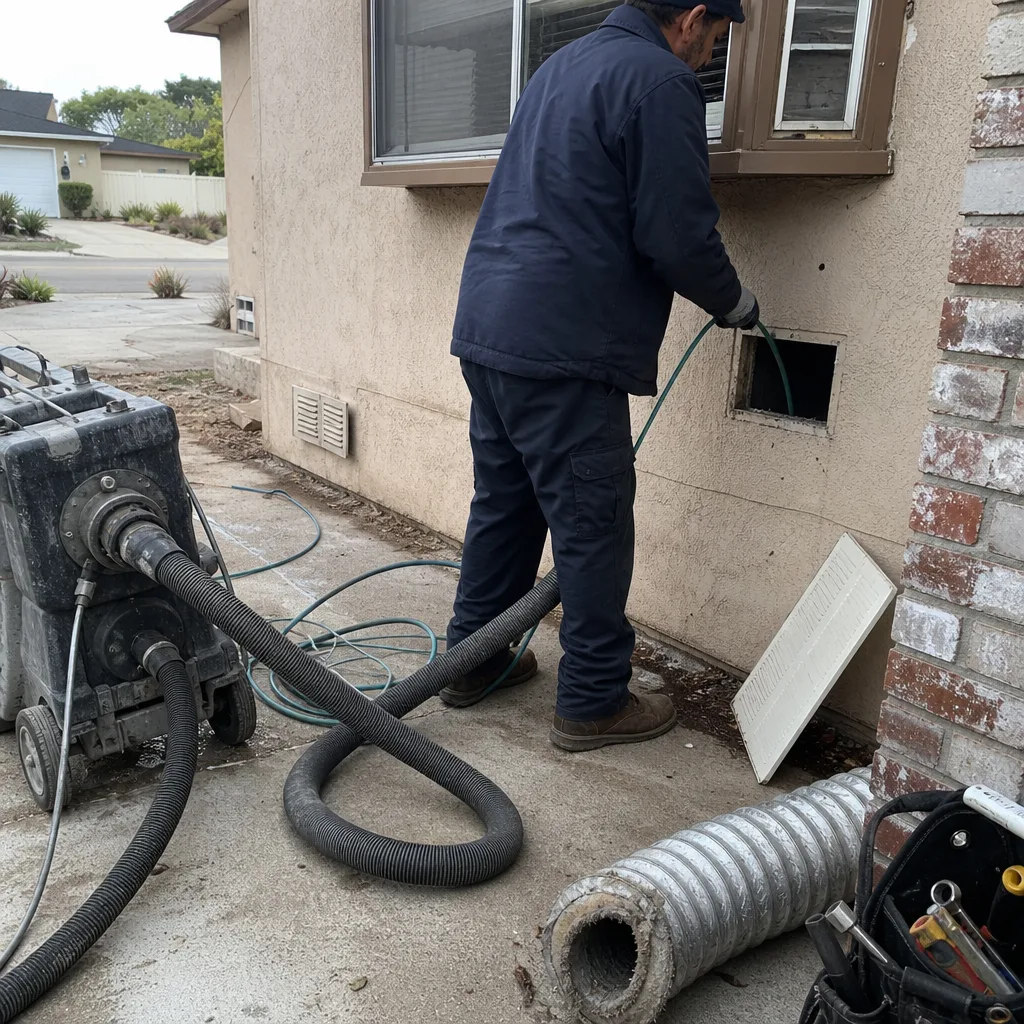 Before
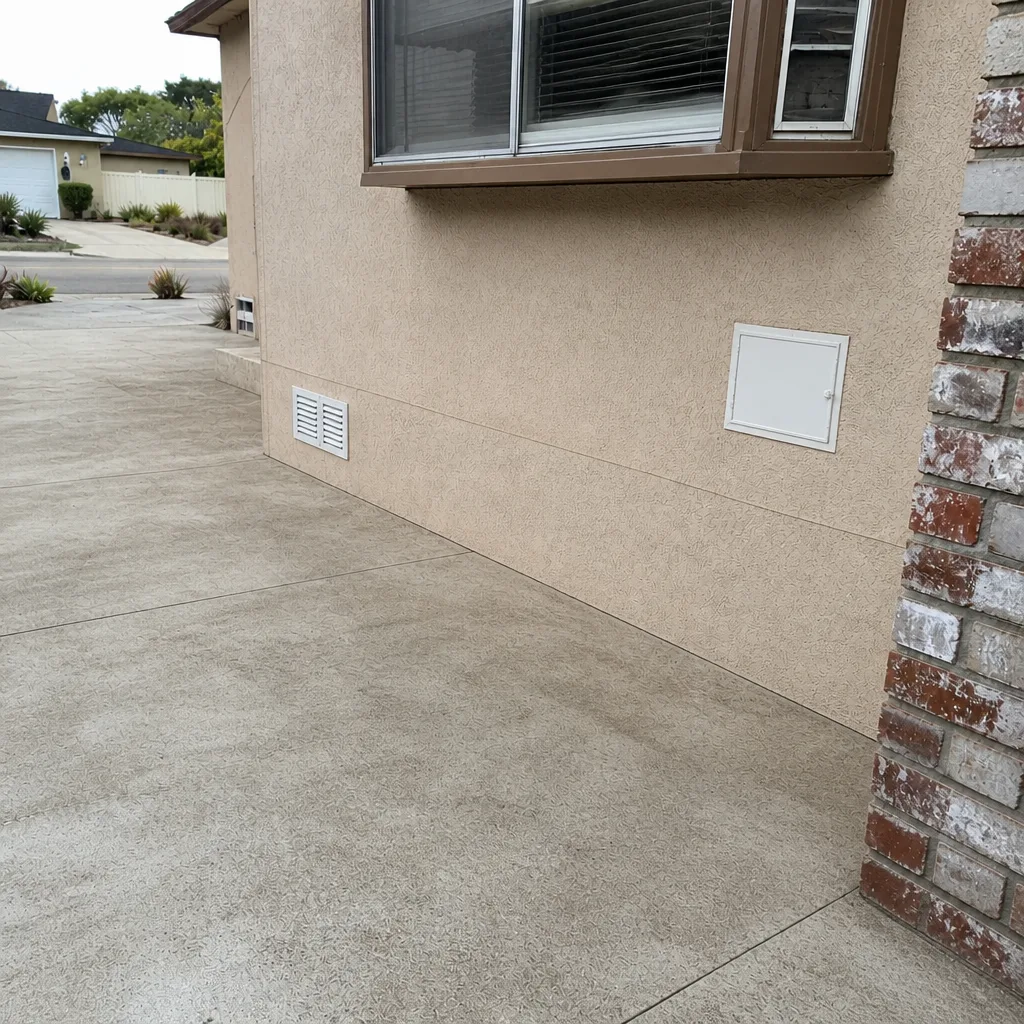 After
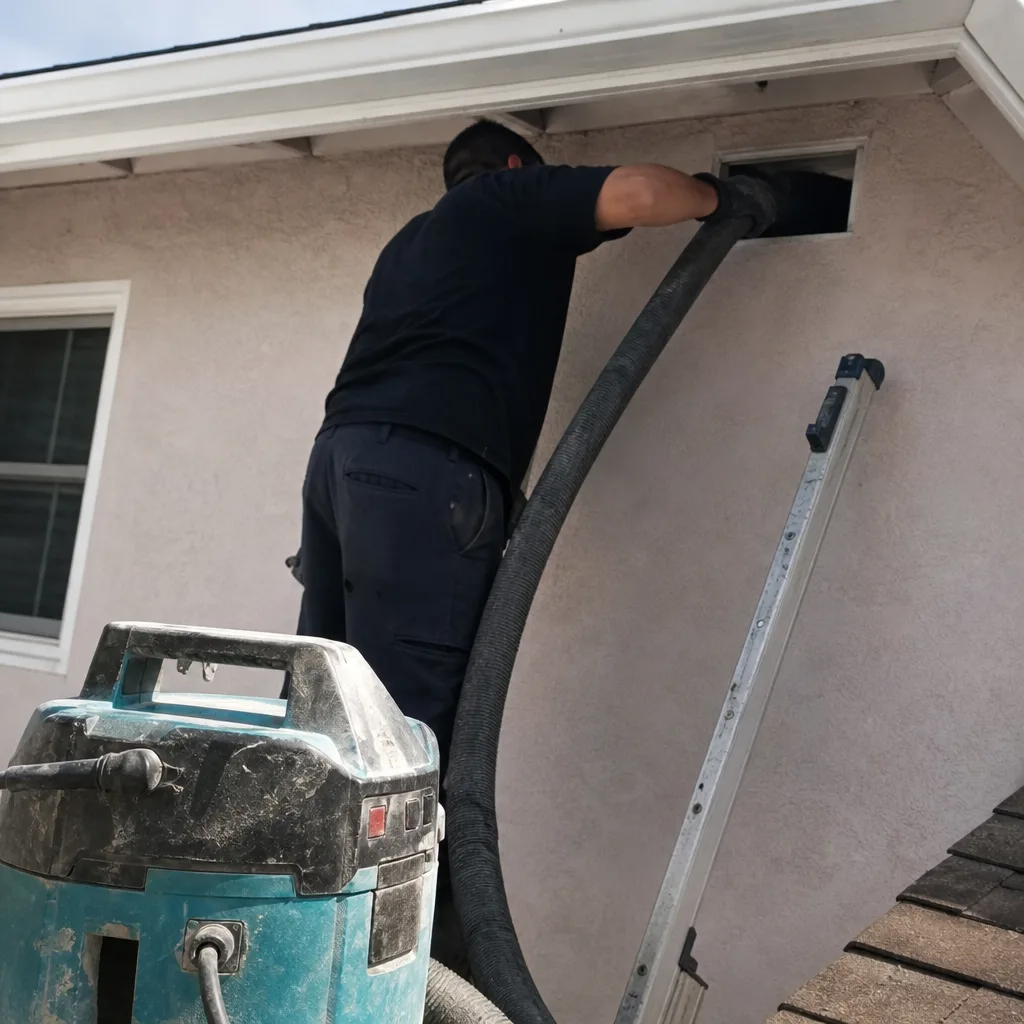 Before
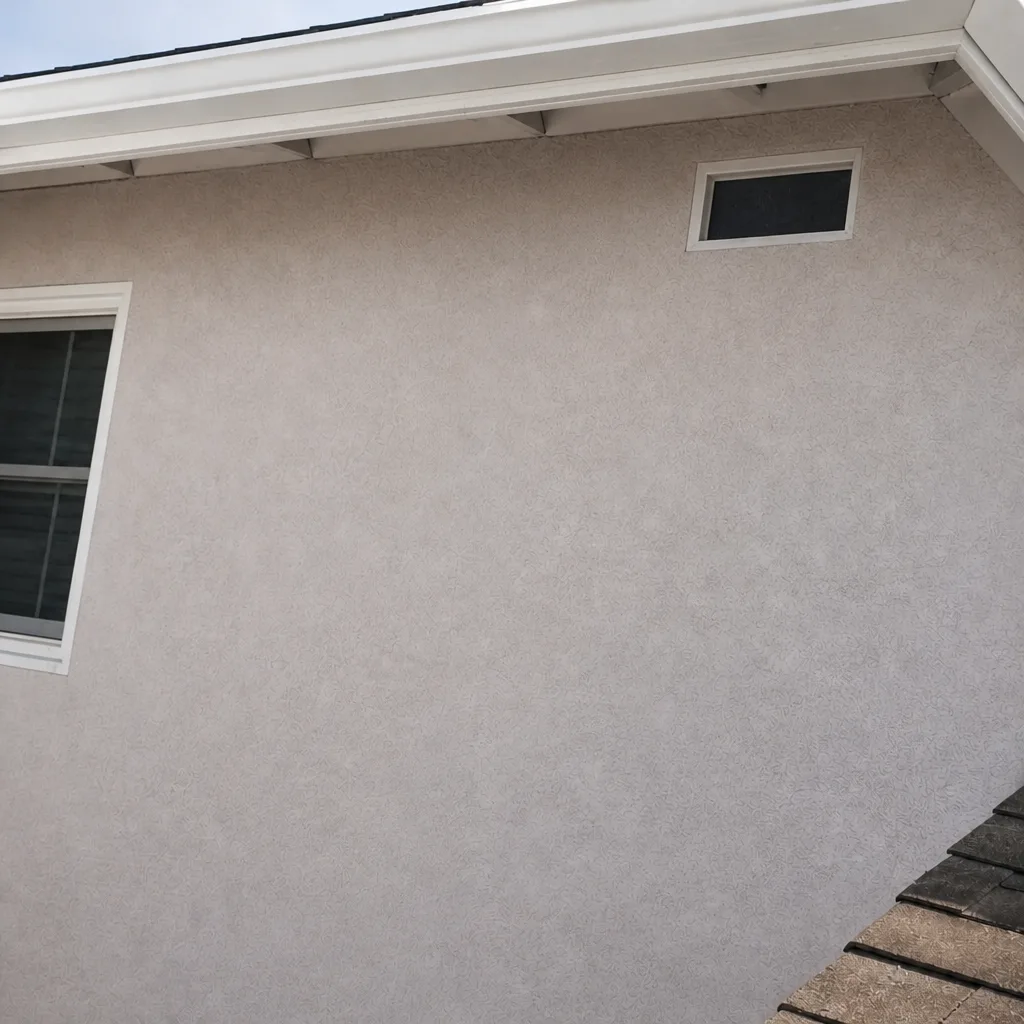 After
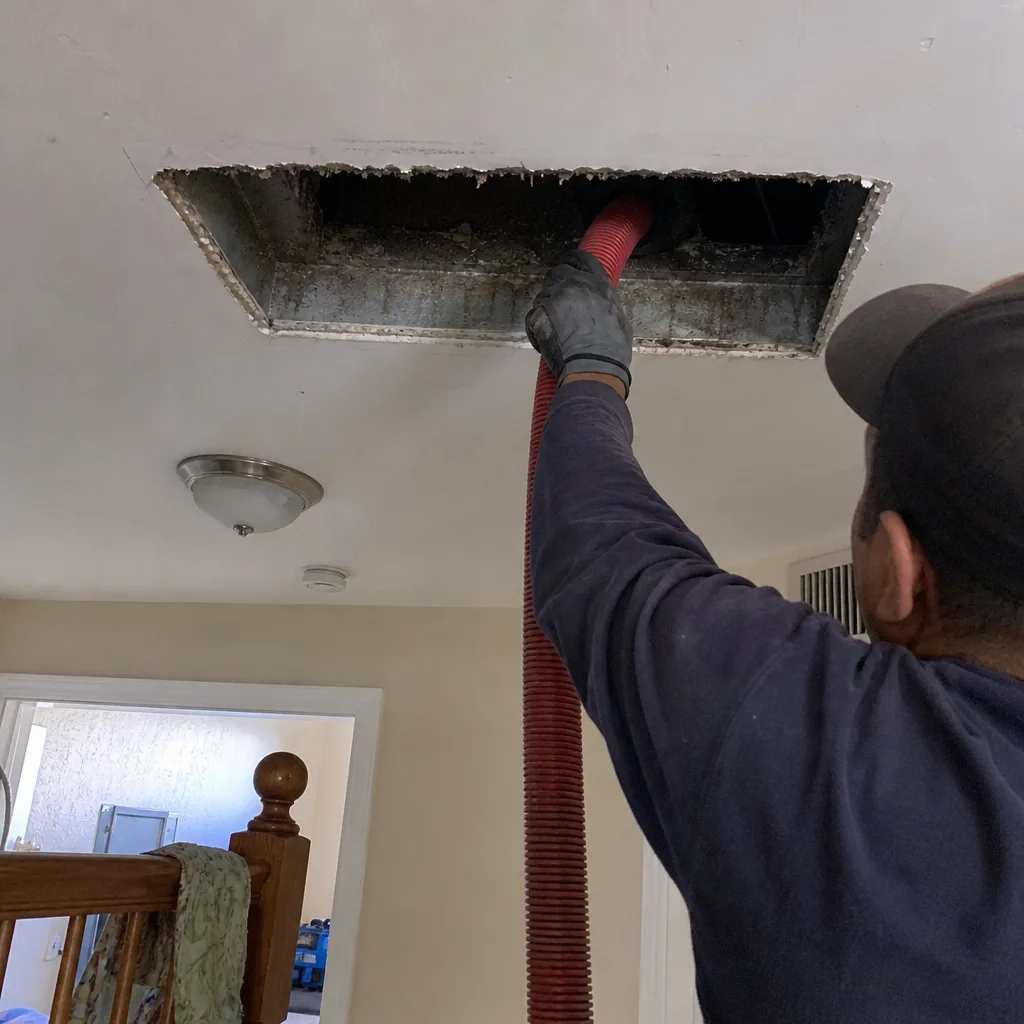 Before
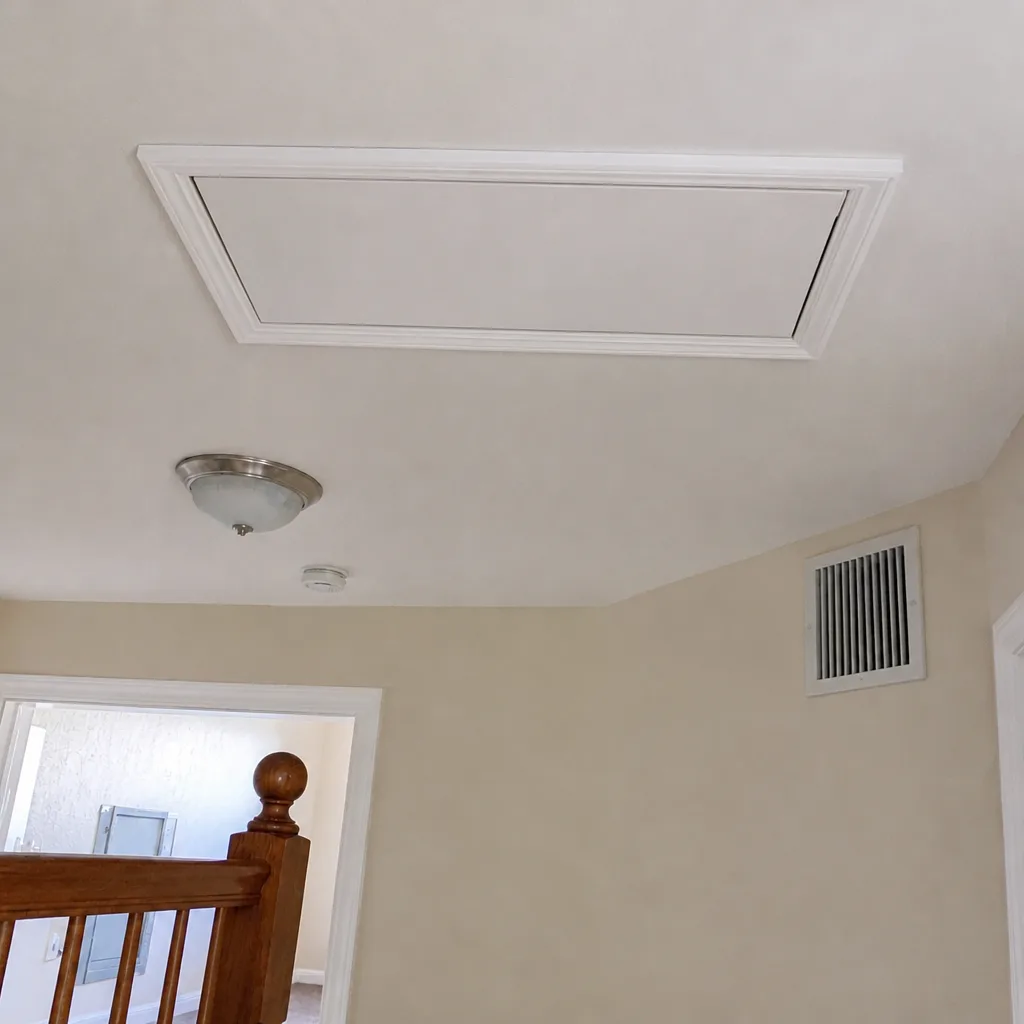 After
When to Call a Professional
Not every household needs annual duct cleaning, but a few specific conditions mean it’s time to book. Visible mold or mildew on or around the registers, a musty smell that returns after cleaning the filters, or a recent water intrusion in the attic or crawlspace above the ductwork are three signals worth a professional inspection. Homes with recent renovations that generated dust, older homes with duct systems that have never been cleaned, and households with allergy or asthma concerns are also good candidates. Pets that shed have a faster duct-buildup cycle than pet-free homes. If you’re seeing any of these, the equipment and documentation checklist above gives you a clear hiring path. Cypress Air Duct Cleaning Pros offers free estimates in Cypress. Call (833) 698-8235.
Frequently Asked Questions
Whole-system air duct cleaning in Cypress typically runs from about $350 to $700 for a standard residential system, with the range driven by system size, number of registers and duct condition. Sanitizing adds roughly $150 to $400, and duct repair and sealing is quoted separately per section. A written estimate sets the final price, and any bidder who refuses to put a number in writing before booking is a bidder to set aside. Call (833) 698-8235 for a free estimate.
Cheap quotes are usually a lead price that expands once the crew is inside the home. A $49 or $99 whole-house offer rarely covers a full cleaning of every register, return and main trunk, and the gap gets filled by an upsell or an automatic add-on after work starts. The real fix is to compare itemized bids on scope, not on the headline number. Call (833) 698-8235 for a free estimate with a flat per-system price agreed before work begins.
You know the work was done when you have inspection camera footage from before and after the cleaning, plus photographs of every register and return. Ask for that footage as part of the job, and save it. Any contractor who won’t run a camera inside the ductwork or won’t share footage is asking you to take them at their word. Call (833) 698-8235 for a free estimate.
Most homes don’t need it annually. Three to five years is a reasonable cycle for a typical household, and homes with pets, recent renovations, or a family member with allergies or asthma often benefit from the shorter end of that range. Signs like musty smells, visible mold at registers, or a never-cleaned system are good reasons to book sooner. Call (833) 698-8235 for a free estimate.
Duct cleaning alone does not include repair or sealing at most companies, and that’s the gap worth asking about. Cleaning-only contractors leave loose joints and pulled-apart sections untouched, so debris can re-enter the airstream. A company that offers duct repair and sealing as a separate service can address both the buildup and the leaks. Call (833) 698-8235 for a free estimate.
If the crew arrives without a negative-pressure machine, a contact vacuum or an inspection camera, politely decline the visit and rebook with someone who brings the full setup. You don’t owe a crew anything for showing up unequipped when the equipment was promised at booking. Photograph what they arrived with as part of your documentation, and move to the next bidder. Call (833) 698-8235 for a free estimate.
The Bottom Line
Hiring an air duct cleaning contractor in Cypress is a screening process, not a price hunt. Verify NADCA membership and technician certification numbers independently, and check state licensing. Confirm the equipment before anyone starts: negative-pressure machine, contact vacuum and inspection camera are non-negotiable. Read the contract for vague scope language and automatic add-on clauses. Compare two itemized bids on scope, not on the headline number. Document the before and after so you have recourse. Every step in this guide is designed to screen out the transient operator and leave you with a contractor who stands behind the work. When you’re ready to book, Cypress Air Duct Cleaning Pros uses professional-grade Rotobrush equipment, offers free estimates in Cypress, and sets one flat price per system before work starts. Call (833) 698-8235. We answer 24/7. Fast dispatch from 7am to 7pm, Sunday through Friday.
For a closer look at the services that support a properly cleaned duct system, see our pages on Cypress Air Duct Cleaning Pros, air duct cleaning, dryer vent cleaning, and the hvac cleaning that keeps the whole system working together. The local pro is licensed and insured as the state requires, and our technicians have up to 12 years of experience. The estimate is free, and the price is set per job by the written estimate.
Written by the team at Cypress Air Duct Cleaning Pros.