
Last updated November 23, 2026
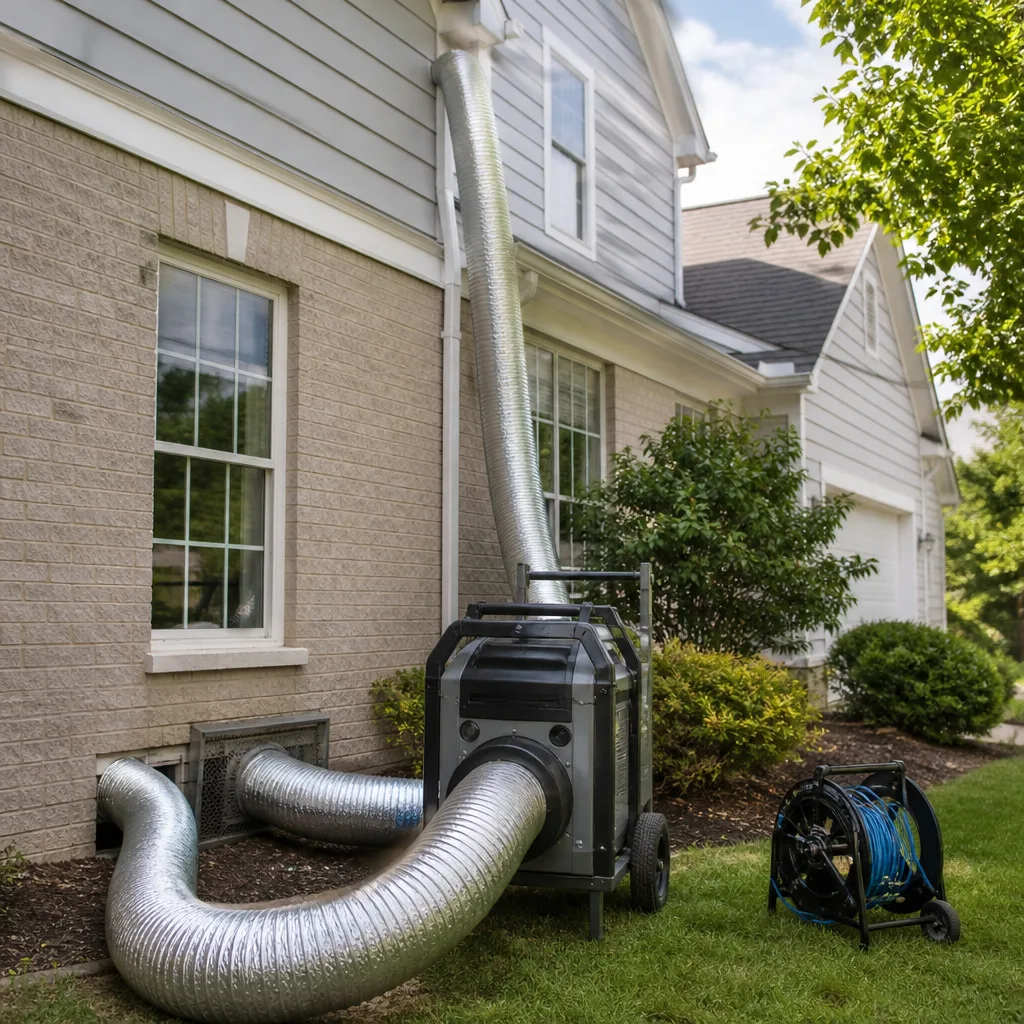 Whole-home duct cleaning
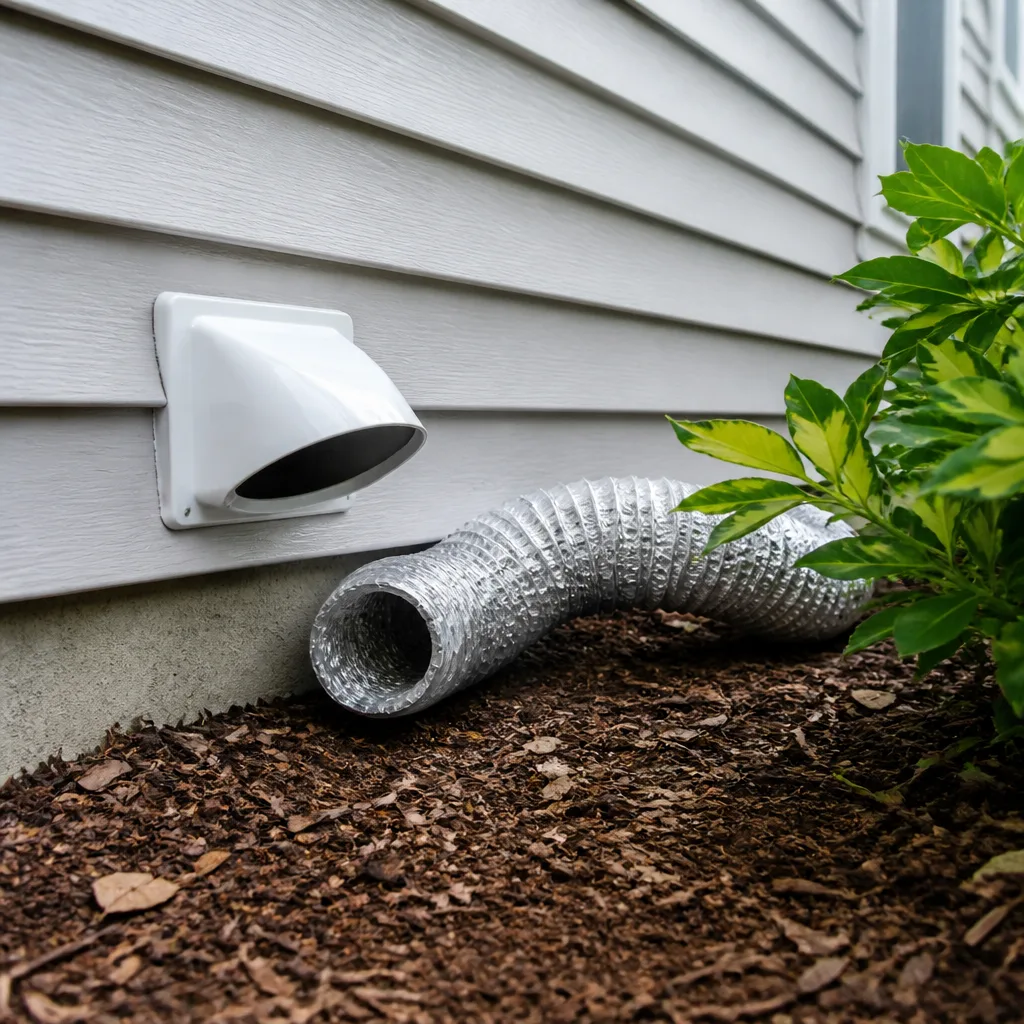 Dryer vent cleaning
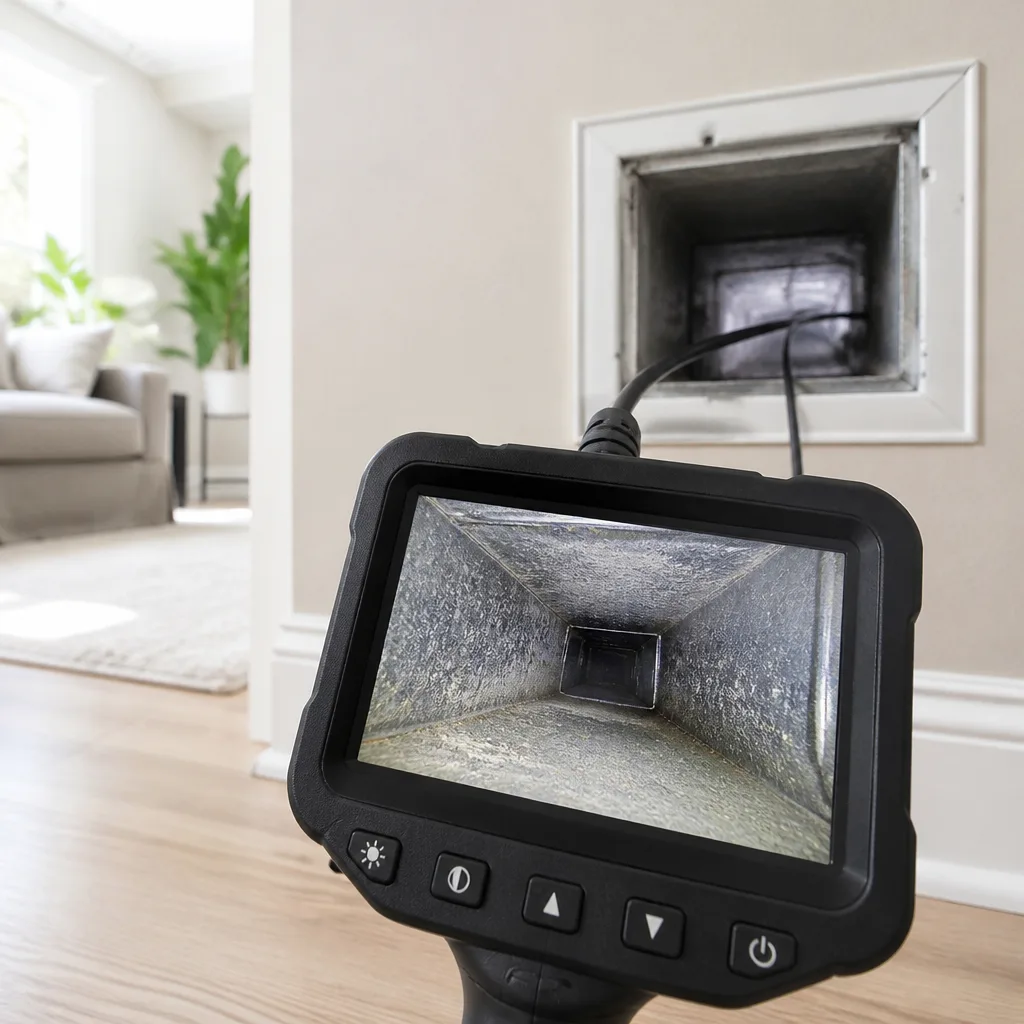 Camera inspection
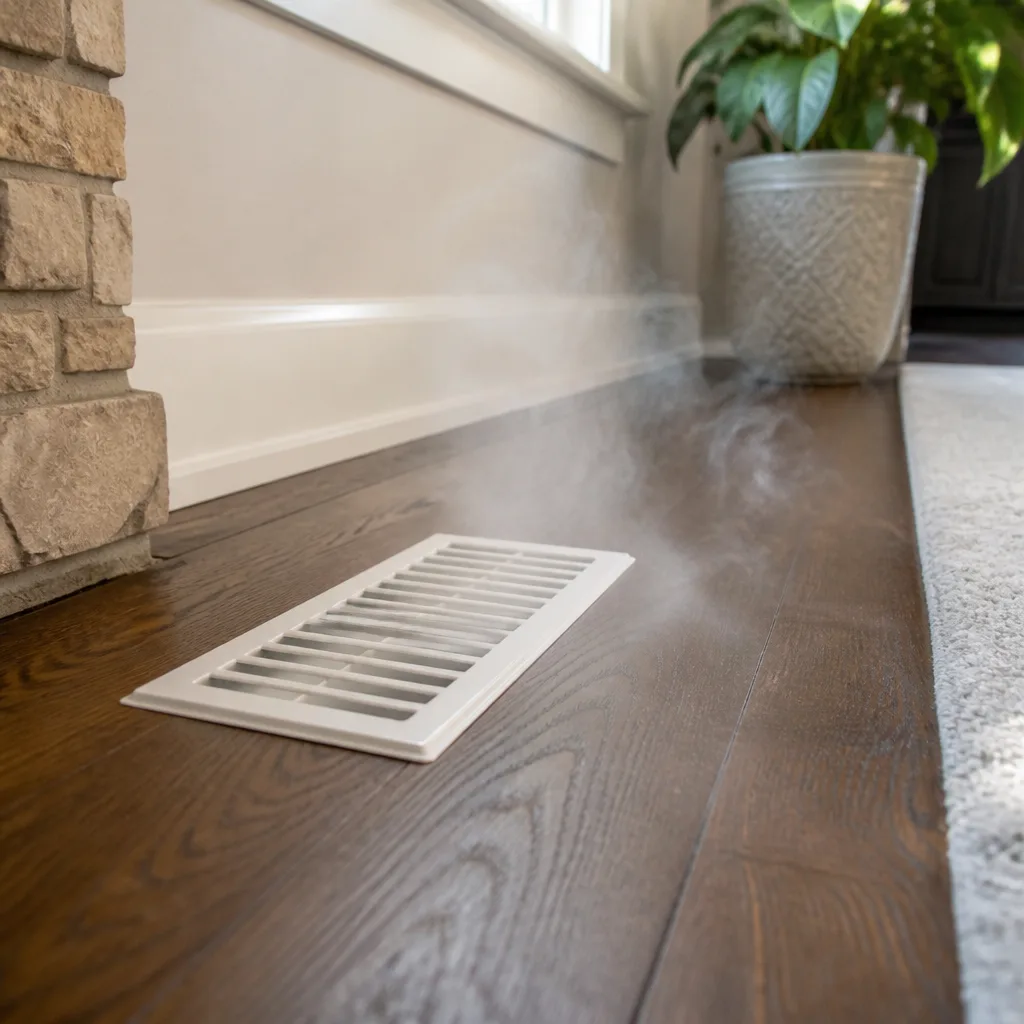 Sanitizing & deodorizing
Whole-system duct and dryer vent check with before-and-after photos - you see exactly what came out of your vents
That "$99 whole-house special" is a bait ad - the real number appears once they are in your hallway, or the "clean" is a shop-vac at the register. We photograph the inside of your ducts before and after instead.
Air Duct Cleaning Maintenance Checklist for Cypress Homeowners
Most duct maintenance checklists you’ll find online are written for a hypothetical average American home that heats hard all winter and cools for a few months. Cypress doesn’t work that way. Here the air conditioner runs most of the year, the marine layer pushes damp ocean air inland through the spring, Santa Ana winds drag dry dust and wildfire smoke through in the fall, and the system never really gets a long vacation. That means the usual “clean your ducts every few years” advice is too vague to be useful here. What follows is a checklist timed to the actual stressors a Cypress home faces across the year, how to read the signs your system gives you, and how to log what you observe so a professional can act on real data instead of guesswork.
Quick Answer
For most Cypress homes, plan on a professional duct cleaning every two to three years, inspect the return vents and register grilles monthly by eye, and change the filter on runtime hours rather than calendar months because the cooling season here is long. Add a visual check after any wildfire smoke event or major renovation. Between professional visits, the checklist is mostly about watching, logging, and knowing what normal buildup looks like so you catch a problem early.
Styles & brands we work with
- Whole-home duct cleaning
- Dryer vent cleaning
- Camera inspection
- Sanitizing & deodorizing
Table of Contents
- The Cypress Maintenance Calendar: Month by Month
- Filter Changes by Runtime Hours, Not Calendar Months
- Which Registers and Return Vents to Inspect and What Normal Looks Like
- How to Log System Observations Over Time
- Checklist Add-Ons for Pets, Renovations, and Allergy-Sensitive Households
- The Santa Ana and Wildfire Smoke Playbook
- What a Professional Cleaning Actually Involves
- Common Mistakes to Avoid
- When to Call a Professional
The Cypress Maintenance Calendar: Month by Month
Think of the year in four seasons instead of twelve months. Cypress doesn’t have a four-season climate in the usual sense, but the air system still faces distinct phases, and each one asks something different of you.
Late Winter into Spring: The Marine Layer Season
As the cool damp air settles in through the mornings, indoor humidity creeps up. That’s when dust in the ducts gets slightly sticky and starts clinging to the sides of the return chute and the register louvers rather than blowing free. This is the season to check that your return vents aren’t visibly coated, confirm the filter is seated properly with no gaps around the edges, and look for any musty smell when the fan first kicks on.
Spring into Early Summer: Pre-Season Prep
Before the long cooling stretch begins, this is the natural window for a professional cleaning if you’re due. Getting the system cleaned before peak runtime means you’re not pulling a season’s worth of dust through a fresh system. It’s also when you want to walk every room and confirm each register is open, unobstructed by furniture, and free of visible debris.
Summer: Peak Runtime
The AC is running nearly every day. Filter loading speeds up and the system moves the most air it will all year. Watch the filter more often, note any rooms that cool unevenly, and listen for new whistling or rattling at the registers, which can point to a duct leak rather than a cleaning issue.
Fall into Early Winter: Santa Ana and Smoke Windows
The hot dry winds and the smoke events they often accompany are the single biggest disruptor to a Cypress duct system’s cleanliness. Have a plan ready before the first smoke event: know where your filter is, have a spare on hand, and know how to switch the system to recirculate rather than pulling outside air. This is also the season to book a cleaning if you had a smoke event and notice lingering odor.
Mapping the checklist to these phases rather than to a generic calendar is the whole point. The stressors are predictable here; the maintenance just has to follow them. If you want a full picture of the professional side of this schedule, our air duct cleaning page covers what each visit includes.
Filter Changes by Runtime Hours, Not Calendar Months
The “change it every three months” rule assumes a system that runs maybe half the year. In Cypress, the air handler can easily run most of the year, so a filter that sees 90 days of calendar time may see far more than 90 days of actual airflow. Tying the change to runtime hours gives you a much more honest trigger.
Here’s how to set it up:
- Read your filter’s rated life in hours, not months. A filter that specifies a service life in operating hours is telling you the real number. If yours only gives months, treat that as a rough guide and mentally shorten it.
- Estimate your daily runtime. Track how many hours a day the fan actually runs during peak season. In a Cypress summer that’s often most of the daylight hours.
- Divide the rated hours by daily runtime to get your real change interval in days. Recalculate when the season shifts.
- Write the change date on the filter edge with a marker so you’re not relying on memory.
- Check the filter a week before you expect to swap it. If it’s already gray and matted, shorten the interval.
A few Cypress-specific wrinkles. Homes near busy corridors or downwind of regular dry-wind dust loading will pull more particulate, so their filters fill faster than the rated interval suggests. Homes with pets fill faster still. And a cheap fiberglass filter is a poor baseline here: it protects the equipment but does little for indoor air, so many homeowners step up to a pleated filter with a higher particulate rating and adjust the interval accordingly. If you’re unsure what rating suits your system, our HVAC cleaning guide explains how the equipment and filter work together.
One caution: don’t jump to the densest filter you can find. A filter that’s too restrictive for the blower can starve airflow and strain the system. Match the filter to the equipment and change it on the runtime schedule rather than reaching for the maximum rating out of habit. Professional-grade systems like the ones from Honeywell and Aprilaire are matched to the equipment they serve, which is why the right answer is rarely the cheapest box on the shelf.
Which Registers and Return Vents to Inspect and What Normal Looks Like
Between professional cleanings, your eyes are the best detector you have. A five-minute walk-through of the registers and returns tells you whether the system is staying clean or starting to load up. The trick is knowing normal from concerning.
What Normal Buildup Looks Like
- A thin, even film of light gray dust on the register louvers and the grille face.
- Faint dust traces around the edges of the grille where air leaks past the frame.
- Slightly dusty return grille with no clumping or matting.
- No visible debris on the visible portion of the duct interior when you shine a light in.
- Neutral or faintly dusty smell when the fan starts.
What Concerning Buildup Looks Like
- Thick, dark, or matted dust coating the register face or the return chute walls.
- Visible clumps, debris, or a fuzzy gray-black growth on surfaces inside the duct.
- Registers that whistle or vibrate, hinting at a leak pulling dirty air from an unconditioned space.
- A persistent musty or smoky smell that doesn’t fade after the fan runs a few minutes.
- Visible daylight or gaps around a duct joint you can reach.
The Inspection Routine
- Return vents first. These pull the most air and load up fastest. Remove the grille and shine a light down the chute.
- Supply registers in every room. Pop the louver assembly if it comes free easily and look at the boot where the duct meets the wall or floor.
- The air handler cabinet. With the system off, look at the blower compartment and the inside of the return plenum for dust buildup on the metal.
- The filter slot. Confirm no air is bypassing the filter around the edges.
- Note anything unusual in your log (see the next section) rather than trying to fix it on the spot.
A phone photo taken at each check is worth more than memory. Photograph the same register in the same light each time so you can compare buildup from one month to the next. When a technician assesses your system, those photos show a trend, not a one-time snapshot. Our team can do a documented inspection of your whole system, and cleaner ducts are only one part of what we look at. You can reach us at (833) 698-8235 for a free estimate.
How to Log System Observations Over Time
The single most useful thing a homeowner can hand a technician is a simple log. It turns “the air feels off” into “the return grille in the hallway has been visibly darker since the smoke event in October.” That kind of record shortens the diagnostic and keeps the assessment focused on what’s actually changing.
You don’t need an app. A notebook taped inside a kitchen cabinet works, as does a note on your phone. What matters is consistency and the right fields.
What to Record
- Date and season phase (marine layer, pre-season, peak runtime, smoke window).
- Filter change date and how loaded it looked on a simple scale: light, medium, heavy.
- Register observations in the same words each time so trends show up.
- Smells or sounds when the system starts, and whether they fade.
- Room-to-room temperature differences you notice, which can point to an airflow or duct issue rather than a cleaning one.
- Events that stress the system: a smoke event, a renovation, a new pet, a replacement filter brand.
- Photos of the same two or three registers each time.
Why It Matters
Systems rarely fail loudly. They degrade quietly. A log catches the quiet degradation: the filter that starts loading faster than it used to, the register that whistles only in July, the smoke smell that lingers a little longer after each event. When you sit down with a professional, those notes let them focus on the parts of the system that are actually changing. It’s low effort with a high payoff, and it’s the part of a Cypress maintenance checklist most people skip.
Checklist Add-Ons for Pets, Renovations, and Allergy-Sensitive Households
Not every home needs the same schedule. Three factors change the math in a Cypress house: pets, recent renovations, and allergy-sensitive occupants. If any of these apply, add the items below to your base checklist.
Homes With Pets
- Shorten the filter interval. Pet hair and dander load a filter faster than dust alone.
- Inspect return grilles more often. Hair collects on the intake side and can build up quickly.
- Vacuum register faces monthly rather than waiting for the professional visit.
- Watch the blower compartment for hair that slips past the return grille.
Homes After a Renovation
- Schedule a professional cleaning after major dust-generating work. Drywall dust and sawdust settle into ductwork and can travel through the house for months.
- Seal off return vents during the work if the renovation is ongoing, then reopen and inspect once it’s done.
- Change the filter immediately after the work and again a week later, because the first change catches the initial wave.
- Check for construction debris that found its way into the return chute.
Households With Allergy-Sensitive Occupants
- Step up the filter. A higher particulate rating and a matched air-cleaning product help, and brands like Aprilaire are built for exactly this.
- Consider air sanitizing after a professional cleaning to address biological contaminants that cleaning alone doesn’t remove.
- Log symptoms alongside system observations so you can see whether changes track with filter and cleaning events.
- Book the professional cleaning on the pre-season window rather than mid-summer, so you’re breathing the cleanest air through peak runtime.
These add-ons stack. A home with two pets, a recent kitchen renovation, and an allergy sufferer might need a professional cleaning every year rather than every two to three. Our Cypress Air Duct Cleaning Pros page lays out the full set of services that address all three scenarios, from cleaning to sanitizing to repair.
The Santa Ana and Wildfire Smoke Playbook
When the dry winds arrive and smoke layers into the air, your duct system becomes the most important air filter in the house. The goal is to keep smoke out and pull it out if it gets in. Have this plan worked out before the first event so you’re not scrambling when the sky turns orange.
Before the Event
- Have a fresh filter ready to install. Don’t wait until the smoke is in the air to shop for one.
- Know how to set your system to recirculate so it pulls indoor air rather than drawing in outside air.
- Close windows and exterior doors and seal any obvious drafts around window frames.
During the Event
- Run the fan on recirculate, not fresh air. Let the filter catch what’s already indoors.
- Change the filter when the smoke clears and again a week later, because smoke particles saturate a filter fast.
- Note the smoke event in your log with the date and how the house smelled.
- Avoid running bath and kitchen exhaust fans longer than necessary, since they pull air out and can draw smoke in through gaps.
After the Event
- Inspect return vents and registers for visible soot or fine ash.
- Smell-test the system after it’s run a few minutes. A lingering smoke smell often means the ducts need professional attention.
- Book a cleaning if the smell persists. Smoke particles can settle into ductwork and keep recirculating long after the outdoor air clears.
This is where professional containment equipment earns its keep. Cleaning with proper containment keeps disturbed particulate from migrating through the house during the work itself, which matters a lot in a smoke-affected home. If your system has taken in smoke, our team can assess it and recommend cleaning, sanitizing, or both.
What a Professional Cleaning Actually Involves
Knowing what a proper cleaning looks like protects you from the shortcuts. The difference between a real job and a quick vacuum-and-go comes down to equipment, containment, and scope.
The Equipment
Professional duct cleaning uses specialized machines, not a shop vac. Rotobrush and Nikro systems are the tools HVAC specialists use to agitate and extract debris along the entire duct run, not just the first few feet. Containment equipment from Abatement Technologies keeps dust from escaping into your living space during the cleaning, which is exactly what you want in a home with allergy-sensitive occupants.
The Process
- Inspection first. A technician should look at the system before touching it, including the air handler, the returns, and the supply runs.
- Containment setup. Negative-pressure or HEPA containment keeps particulate from spreading during the work.
- Agitation and extraction. The ducts are brushed and the loosened debris is extracted through the length of the run.
- Air handler and plenum cleaning. The blower compartment and the return plenum are cleaned along with the ducts.
- Optional sanitizing and protective treatment. Cleaning removes debris; sanitizing addresses biological contaminants; protective treatments like Guardsman help extend the cleanliness and integrity of the system afterward.
- Repair and sealing. Leaky or damaged duct joints can be repaired and sealed, which is a step many cleaning-only companies can’t offer.
- Documentation. Before-and-after photos of your own ducts, so you can see what was actually done.
That repair-and-sealing step matters more than most homeowners realize. Clean ducts are only the beginning. A system with unsealed leaks pulls dirty air from unconditioned spaces and wastes the cleaning you just paid for. If you’re booking a cleaning, ask whether the company can inspect for and repair leaks at the same time.
Common Mistakes to Avoid
- Treating the filter calendar like a fixed rule. In a Cypress home the AC runs long enough that a three-month filter can be well past due at two months. Track runtime, not the wall calendar.
- Only looking at supply registers. Return vents pull the most air and load up fastest. Inspect returns first, every time.
- Skipping the log. Without notes and photos, you’re describing a feeling to a technician instead of a trend. Those notes are what turn a guess into a diagnosis.
- Buying the densest filter you can find. A filter too restrictive for the blower strains the system. Match it to the equipment instead.
- Cleaning without checking for leaks. A cleaning on a leaky system just means dirty air comes back in. Have leaks inspected and repaired or sealed.
- Waiting for a visible problem. By the time dust is falling from a register, the buildup has been building for months. The checklist catches it earlier.
- Ignoring the smoke-event follow-up. A single smoke event can saturate the ducts even after the filter is changed. If the smell lingers, get it assessed rather than masking it with a candle.
When to Call a Professional
Most of this checklist is yours to run. A few situations call for a professional, and it’s better to call early than to wait for a bigger problem. Call us if you’ve had a fire, flood, mold, or smoke event that affected the system. Call if you see visible buildup, soot, or debris inside the ducts, or if the register faces have turned dark. Call if a persistent musty or smoky smell returns every time the fan starts. Call if you notice whistling or rattling at the registers, which points to a duct leak that a cleaning won’t fix. And call if more than two years have passed since a professional cleaning, or after a major renovation. Cypress Air Duct Cleaning Pros offers free estimates in Cypress. Call (833) 698-8235. We answer 24/7. Fast dispatch from 7am to 7pm, Sunday through Friday.
See the difference
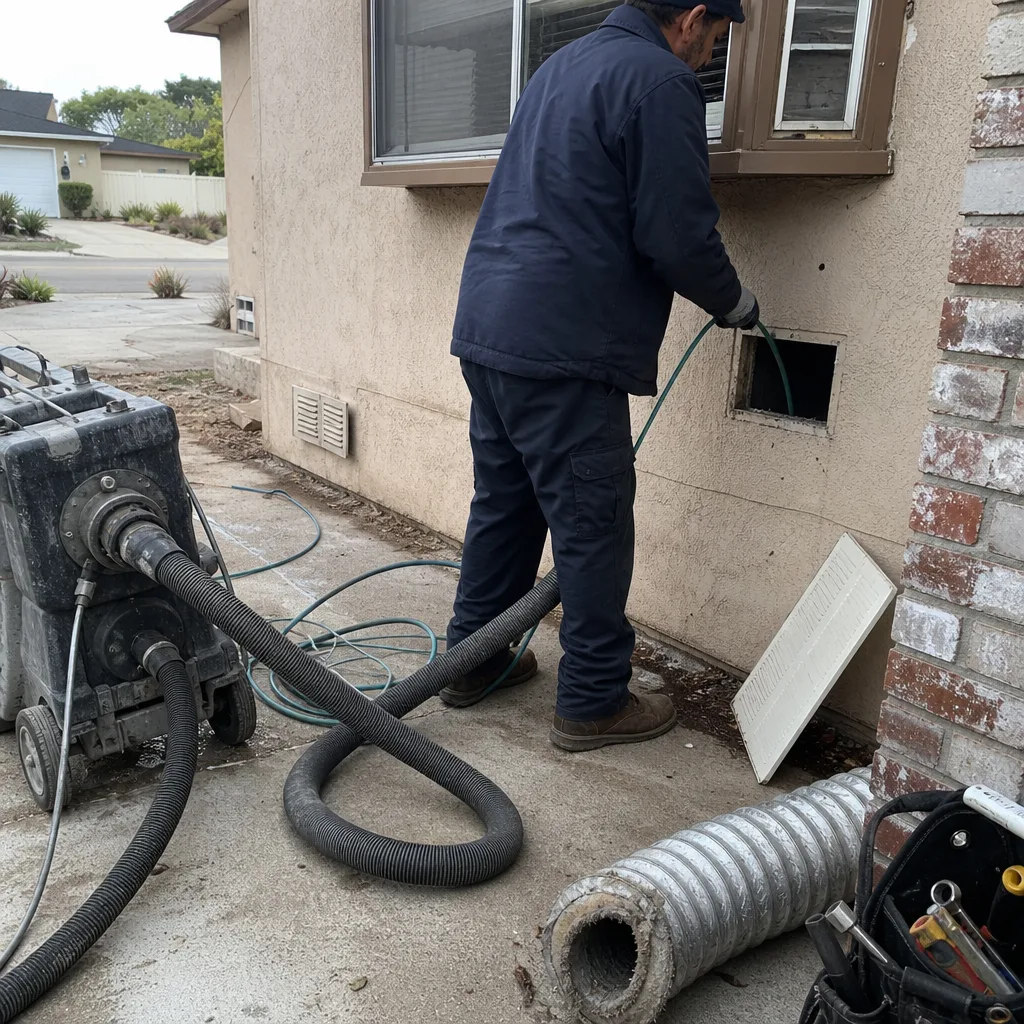 Before
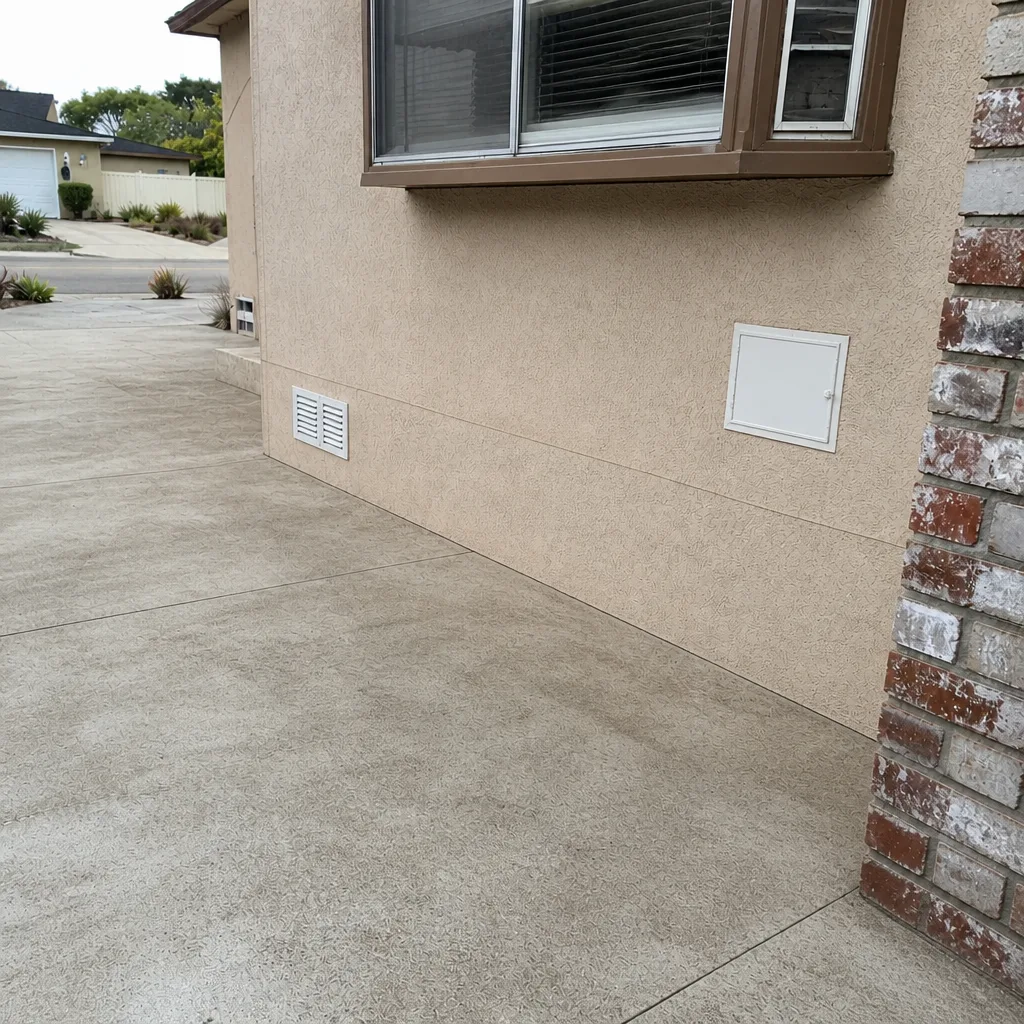 After
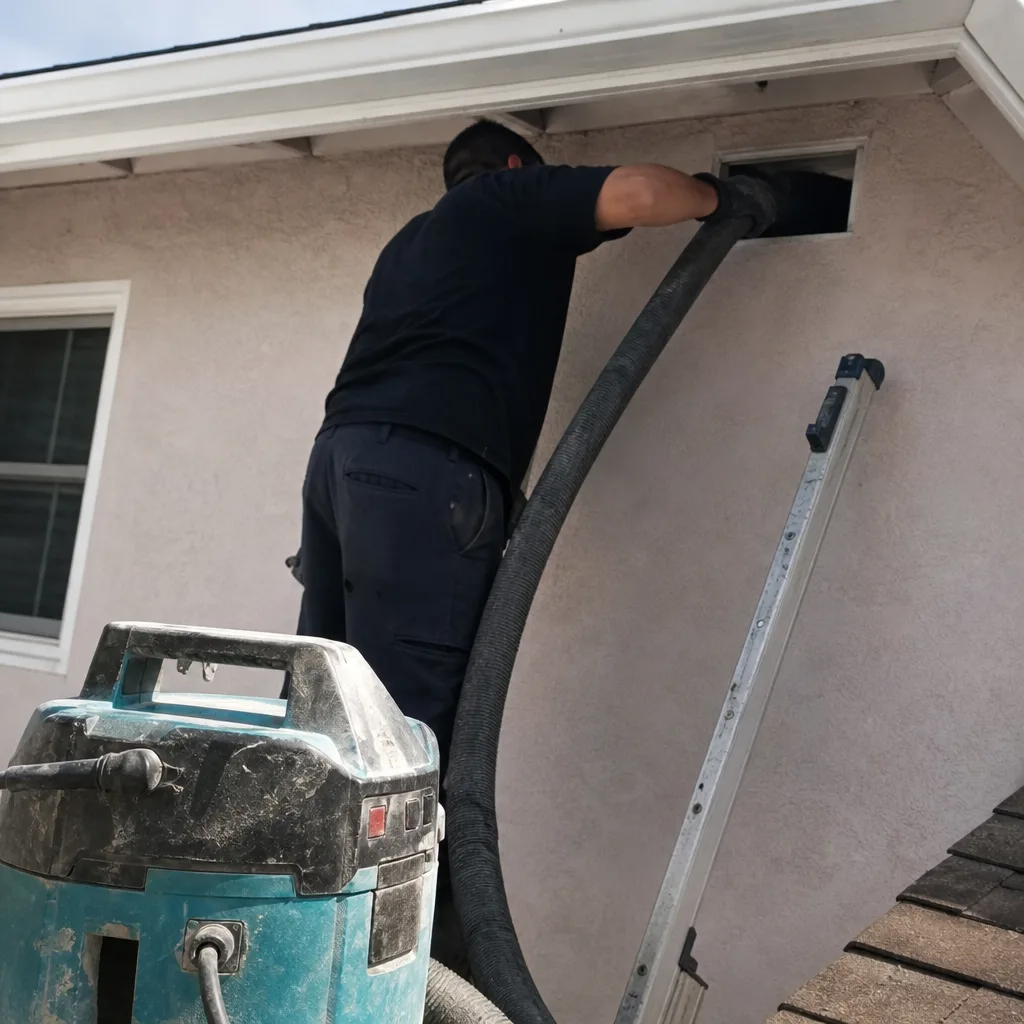 Before
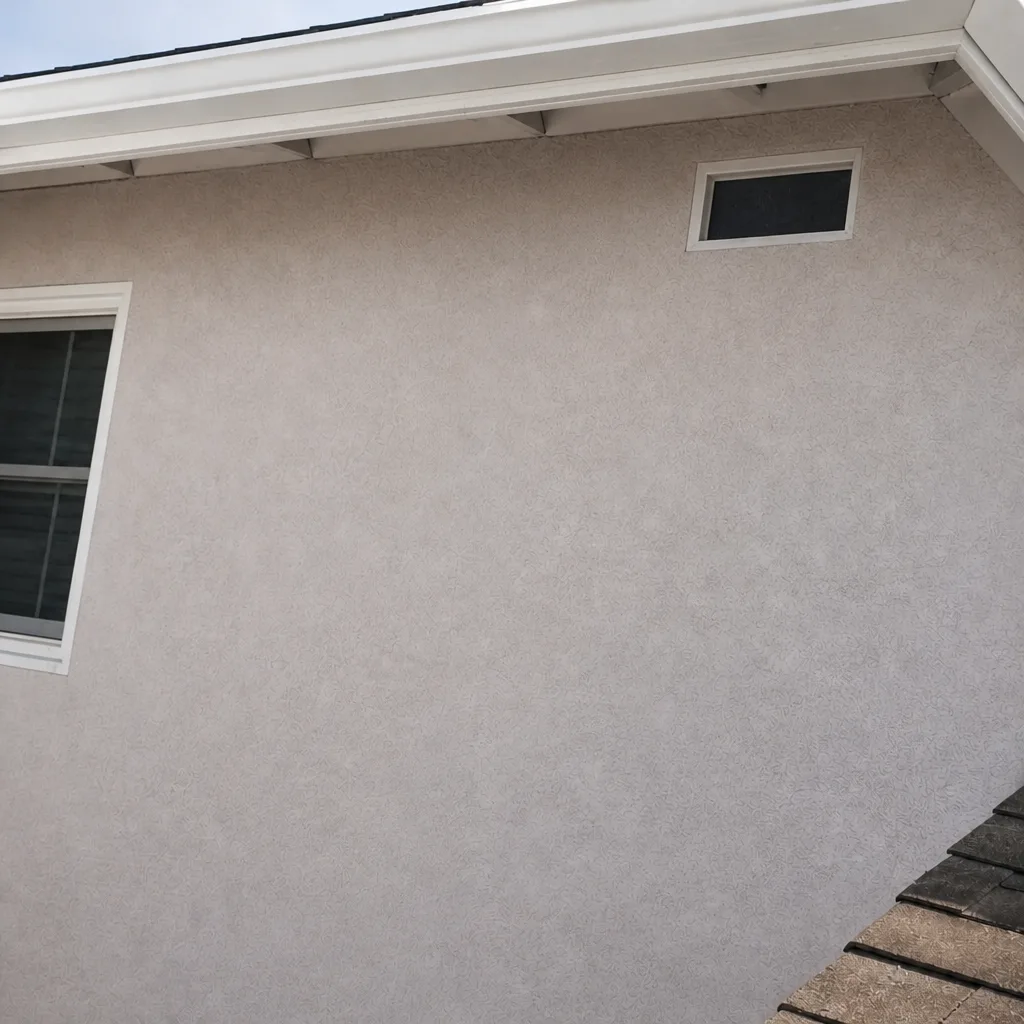 After
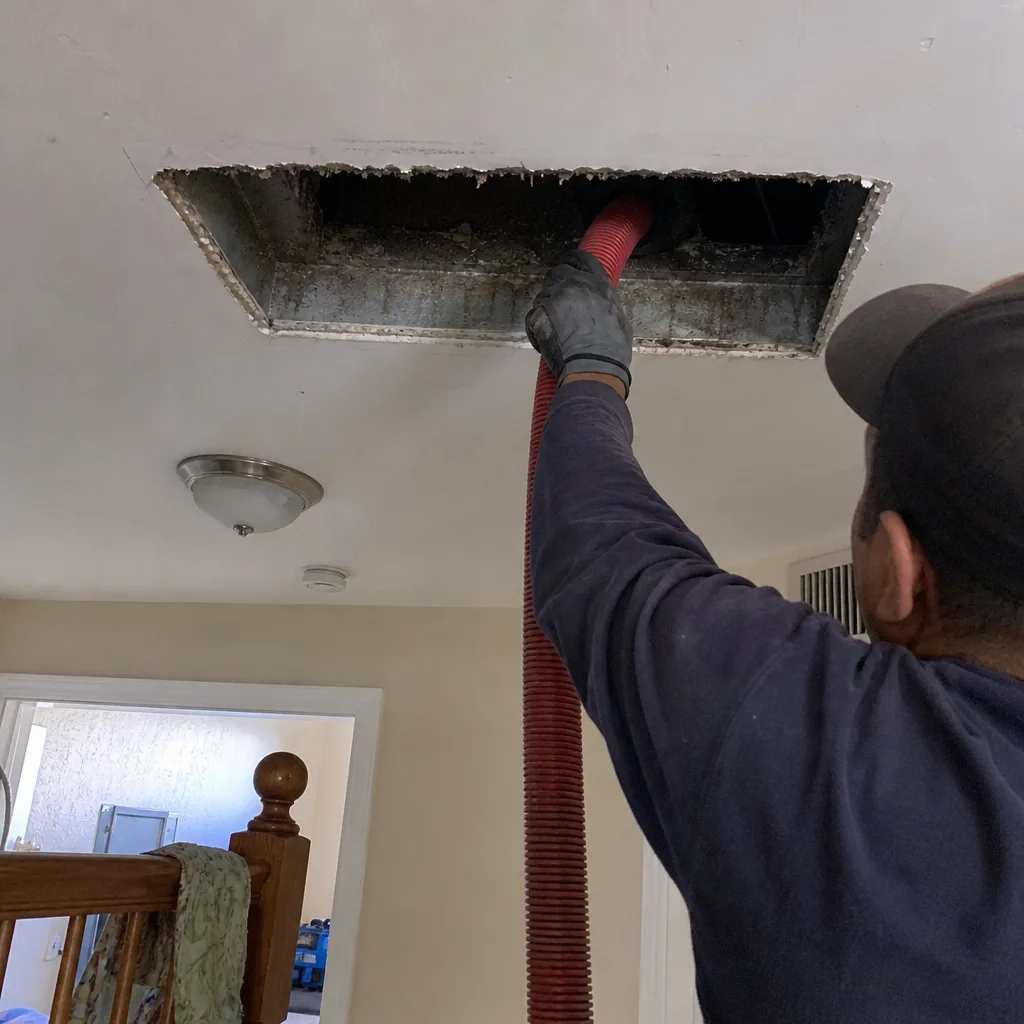 Before
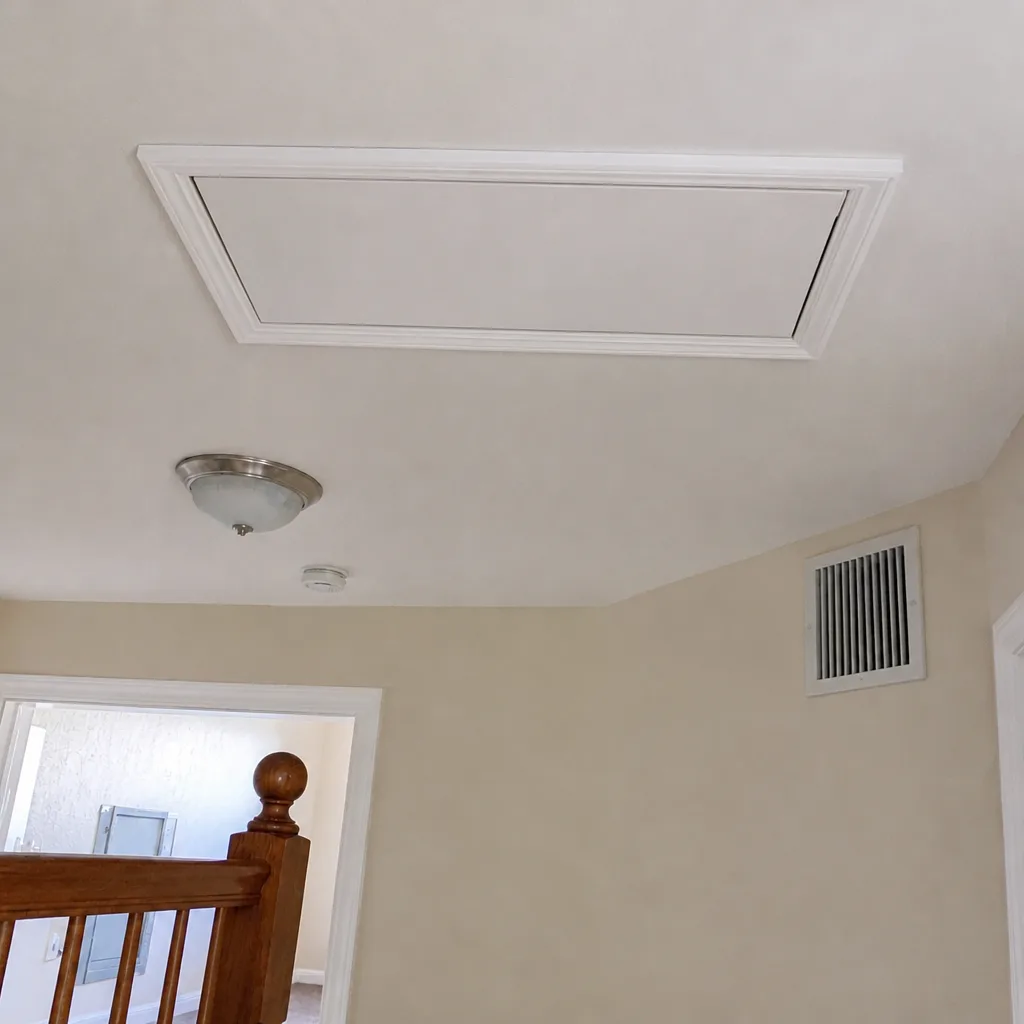 After
Frequently Asked Questions
Every two to three years for most homes, and every year if you have pets, recent renovations, allergy-sensitive occupants, or a major smoke event. Cypress systems run long cooling seasons, so the practical interval is driven by how much air the system moves rather than the calendar. Call (833) 698-8235 for an exact quote. Estimates are free.
It depends on the size and layout of the system and the scope you choose. We quote per system, not per vent, and set one flat price per job from a written estimate before work starts, so there’s no surprise once the technician is on site. Call (833) 698-8235 for an exact quote. Estimates are free.
Usually because the job is smaller: a quick vacuum of the visible duct, no containment, no air handler cleaning, no repair inspection. A lower price often means less work, not a better deal. Ask what’s included, whether containment is used, and whether you’ll get before-and-after photos. Call (833) 698-8235 for a free estimate on a full-scope cleaning.
Ask for before-and-after photos of your own ducts, taken at the registers and at the air handler. A professional service documents the work rather than asking you to take it on faith. Our team photographs the system before and after, and we walk you through what changed. Call (833) 698-8235 for a free estimate.
By runtime. Cypress air conditioners run most of the year, so a filter set by the calendar can be well past due long before the three-month mark. Track the operating hours and swap when the filter looks loaded. Call (833) 698-8235 if you want help matching the right filter to your system.
Change the filter, then change it again a week later, and inspect the return vents for soot or fine ash. If the smoky smell lingers after the outdoor air clears, the ducts likely need a professional cleaning. Call (833) 698-8235 for a free assessment. We answer 24/7.
The Bottom Line
A duct maintenance checklist is only as good as its timing. In Cypress that timing follows the local calendar: the marine layer damp of late winter and spring, the pre-season window before peak runtime, the long summer where filters load fast, and the fall Santa Ana and smoke events that disrupt everything. Run the filter schedule on runtime hours, do the monthly register walk-through with a light and a photo, keep a simple log, and add the pet, renovation, or allergy items if they apply to your home. Between cleanings, the checklist is mostly watching and recording. When it’s time for a professional visit, get a full-scope job with containment, inspection, and repair. And if the system has been through a smoke event, a renovation, or a long cooling season without attention, that’s your signal to book. To see what a documented, full-scope cleaning looks like, visit our dryer vent cleaning page for the full service list, or call (833) 698-8235 for a free estimate. Our technicians have up to 12 years of experience, and we’re glad to walk you through what your system needs.
Written by the team at Cypress Air Duct Cleaning Pros.