
Last updated November 23, 2026
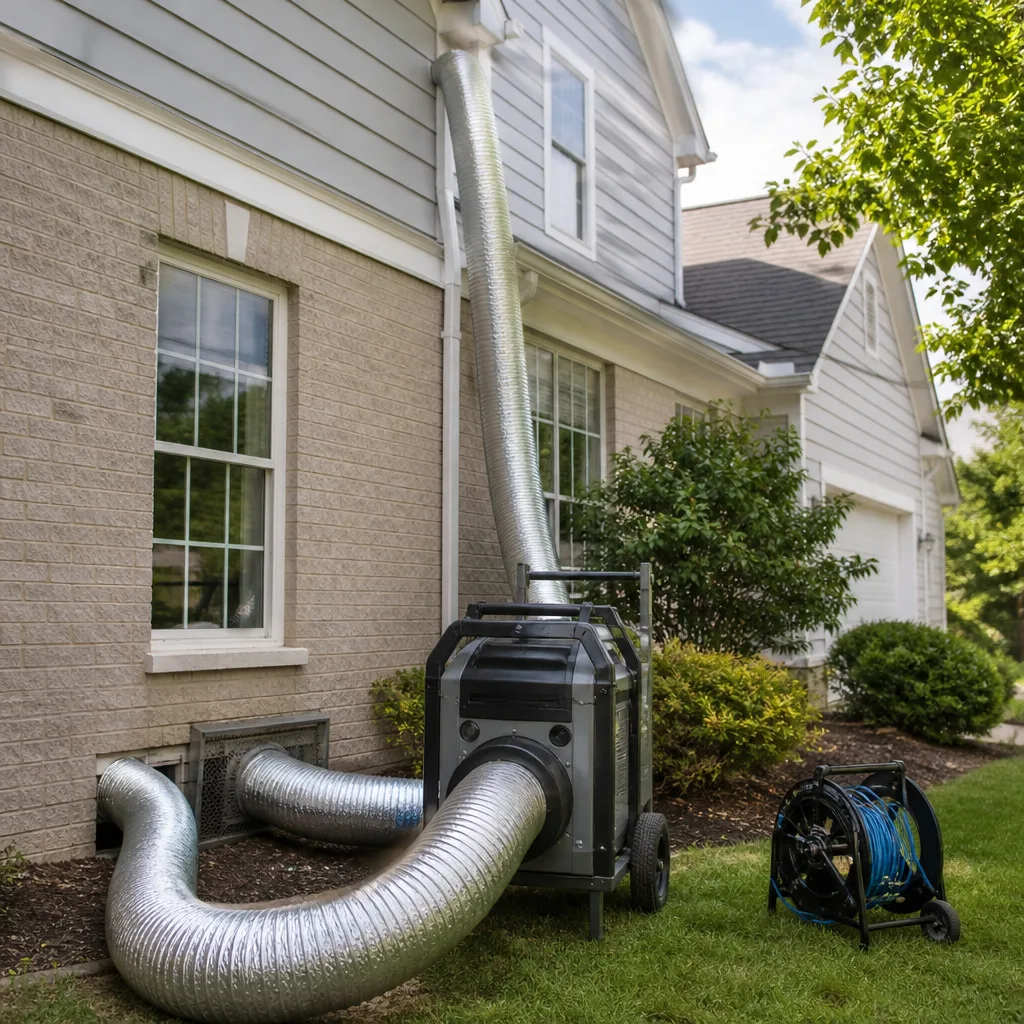 Whole-home duct cleaning
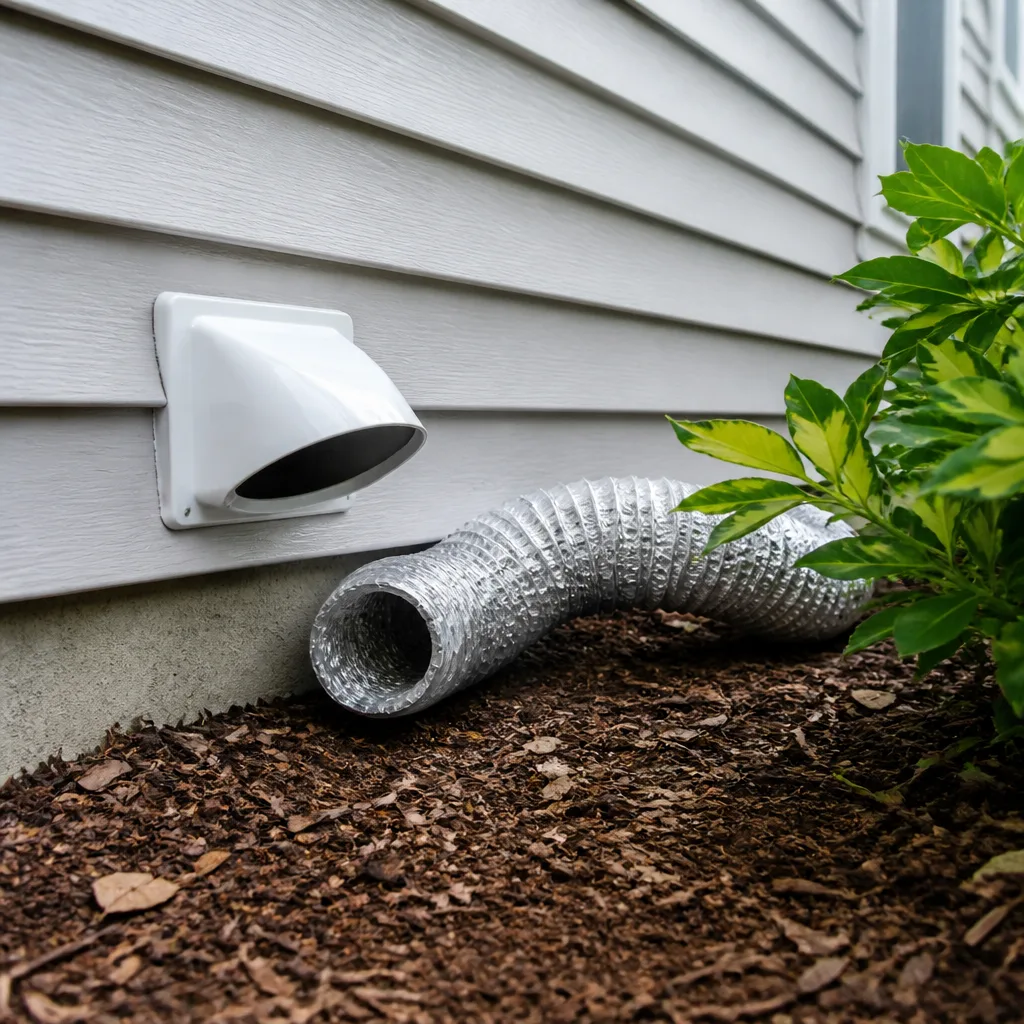 Dryer vent cleaning
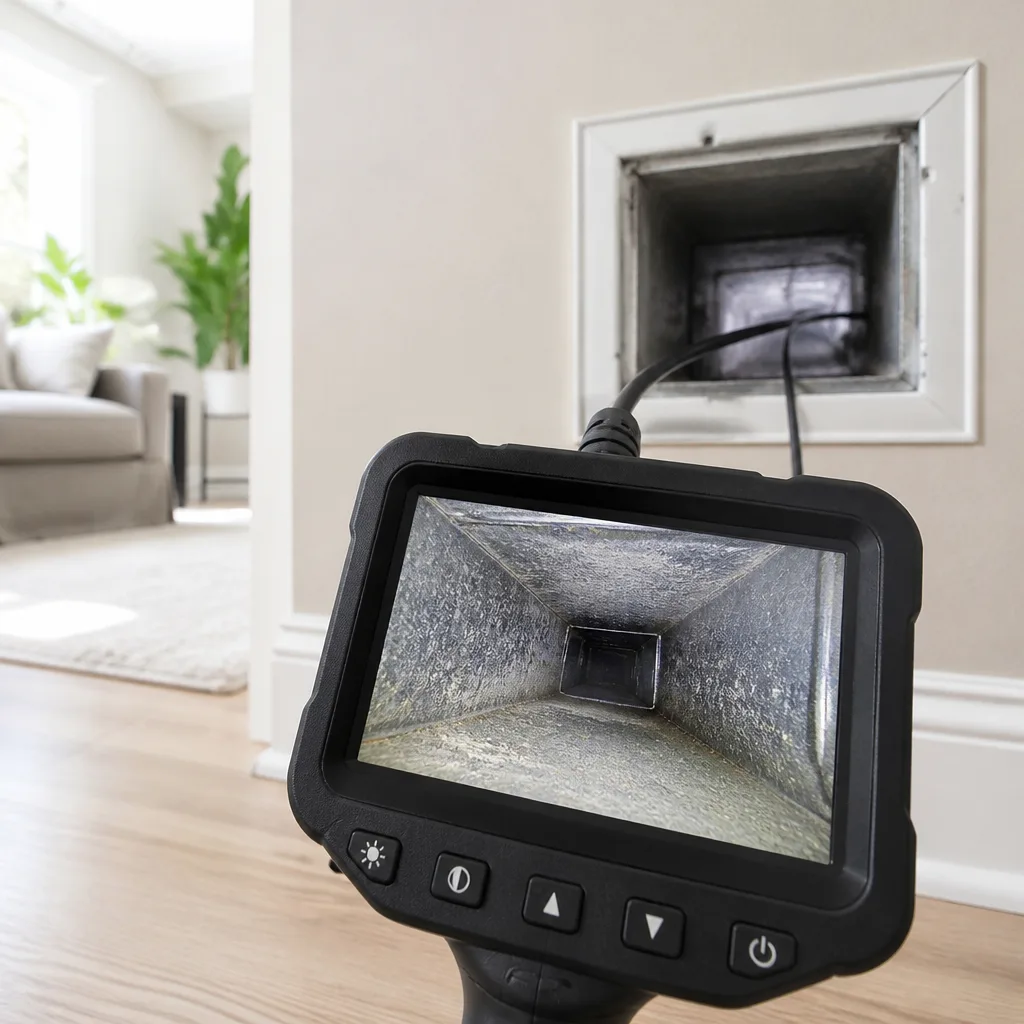 Camera inspection
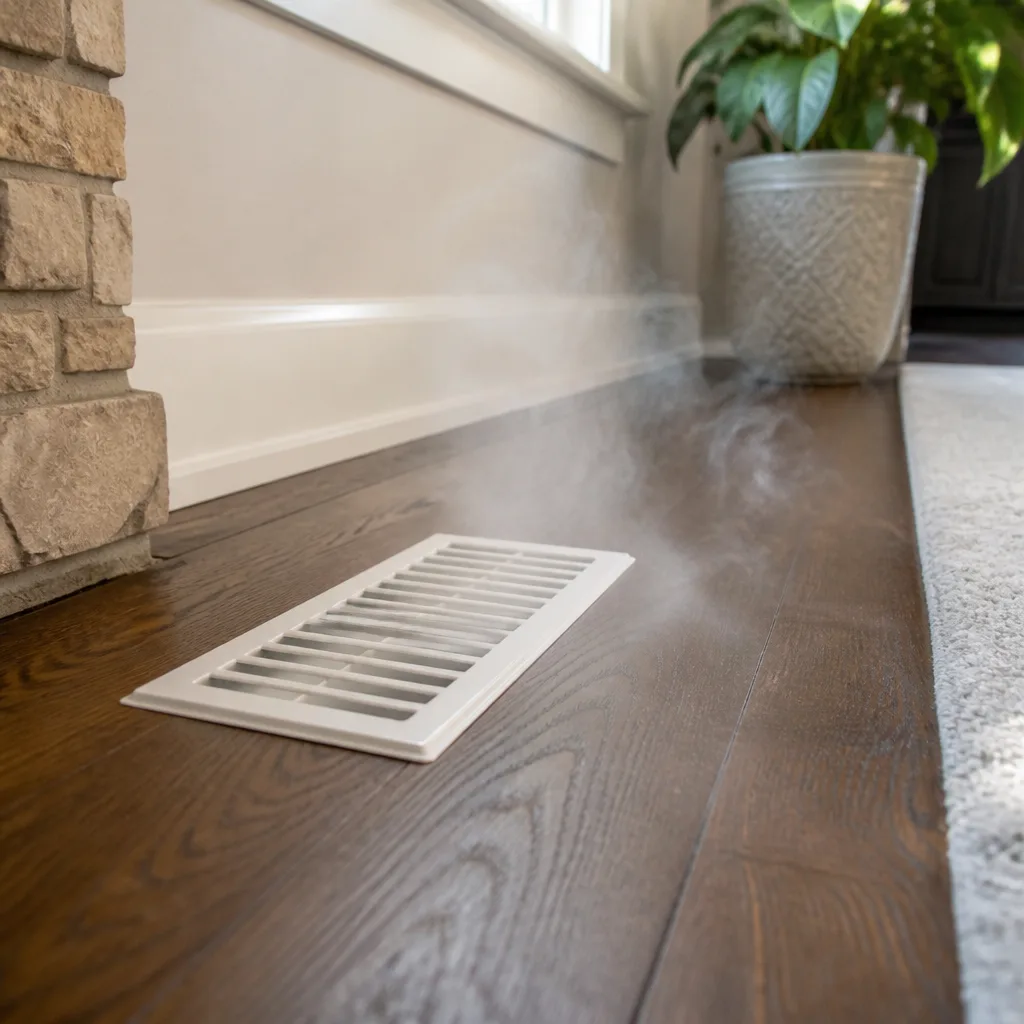 Sanitizing & deodorizing
Whole-system duct and dryer vent check with before-and-after photos - you see exactly what came out of your vents
That "$99 whole-house special" is a bait ad - the real number appears once they are in your hallway, or the "clean" is a shop-vac at the register. We photograph the inside of your ducts before and after instead.
Air Duct Cleaning Emergency Preparedness Guide for Cypress Homes
Most homeowners treat ductwork as a permanent fixture, not as equipment with a failure mode. That assumption costs them after a smoke event. Here in Cypress, the Santa Ana winds push wildfire smoke straight inland off the canyons, and a pressurization imbalance can pull fine ash into your return plenum while the windows are shut and the air conditioner is running. The ducts then hold what the house breathed in, sometimes for months. This guide covers the parts of a duct plan that matter: the exact shutoff sequence during smoke events, how to judge infiltration afterward, why odor needs treatment rather than cleaning, and what to document for an insurance claim.
Quick Answer
Protect your ducts during a smoke event by shutting the system off, sealing the outdoor air intake, and recording your filter condition before touching anything. Air duct cleaning after wildfire smoke in Cypress typically runs $450 to $900 for a full residential system, provided no repairs are needed. Smoke odor requires chemical sanitizing after cleaning; cleaning alone removes particles but not the volatile compounds that keep smelling.
Styles & brands we work with
- Whole-home duct cleaning
- Dryer vent cleaning
- Camera inspection
- Sanitizing & deodorizing
Table of Contents
- What to do during a smoke event
- How to assess smoke infiltration after an event
- Smoke odor vs. particulate deposition: why they need different fixes
- Water intrusion and the mold timeline in flex duct and fiberglass liner
- Power outages and ducts: what to check when the AC comes back on
- Documenting duct contamination for an insurance claim
- Duct repair and sealing: the step most homeowners skip
- Common mistakes to avoid
What Should You Do With Your HVAC System During a Nearby Wildfire?
Shut the system off. That is the single most important instruction during a smoke event, and it runs against what most people feel compelled to do. Running the air conditioner during heavy smoke circulation pulls unfiltered outside air through the return and deposits ash, soot, and fine particulates throughout the supply and return runs. The filter catches a percentage. It does not catch everything, and it catches nothing once it loads up.
The correct sequence, in order:
- Switch the thermostat to OFF, not to fan-only. Fan-only mode keeps the blower running and continues to circulate any smoke that has already been drawn in.
- Close the outdoor air intake if your system has one. Many Cypress homes have a fresh air damper at or near the return; closing it stops the direct path for smoke.
- Close all windows and doors and block the largest gaps at thresholds and slider tracks with wet towels or weatherstripping.
- Take a timestamped photo of your return filter before you touch it. This photo is evidence if a claim becomes necessary. See the insurance section below.
- Do not run a window fan or portable evaporative cooler during a smoke event. Both create positive pressure that pushes smoke into more of the house.
- Leave the filter in place until the smoke clears. Removing it during heavy smoke opens an unfiltered hole into the plenum.
When the air quality rating returns to normal, run the system again and watch the filter. If the filter is visibly grey or darkens faster than usual, that is your first indication that the system did more than filter during the event. If it comes out coated, the ducts deserve a professional look. This is the point where many Cypress homes call us, and the call is usually worth it because the deposit already on the inside surfaces of the ducts will keep recycling through the supply every time the AC runs.
How Can You Tell How Badly Smoke Infiltrated Your Ducts?
You can assess severity yourself in about ten minutes, and you should do it before deciding whether to book a cleaning. Three signals carry the most weight:
- Odor at the supply registers. Turn the system off, stand near a few supply registers, and smell. A faint, dry paper smell is normal. A sharp, acrid, or campfire-adjacent smell is not, and it is more likely to persist.
- The return filter condition. A return filter that turned from white to medium-grey over a short smoke period indicates the system was actively moving outside air. Compare the filter against a clean one out of the package if you can.
- Visible deposits at the register grilles. Remove two or three register grilles and shine a flashlight into the duct. You are looking for fine, grey-black dust and ash on the sheet metal or duct liner. Uniform light dusting means less severe infiltration. A dark fringe accumulating at the seams or a visible streak pattern suggests the blower distributed particles through the whole system.
- The attic and interior walls. Smoke entering through attic penetrations, recessed lights, or wall cavities can migrate into the duct system from outside the plenum. If your attic smells after a smoke event, the ducts likely need assessment.
- Odor return after cleaning. If the ducts were cleaned and the smell came back within weeks, the odor compounds were not addressed. That’s a treatment issue, not a cleaning issue, and we cover it in the next section.
Cypress sits downwind of fire country, so a single smoke event is not the only exposure. Homes that have been through two or three seasons of smoke events accumulate deposits in layers, and a homeowner who cleaned once and never again may be living with years of settled particulates. When in doubt, the professional assessment answers the question definitively. Our technicians use air duct cleaning equipment with camera inspection capability so the determination is based on what’s actually in the runs, not a guess.
Does Smoke Odor Come Out of Ducts on Its Own, or Need Treatment?
Smoke odor in ducts usually needs chemical treatment, not cleaning. Cleaning removes the deposited particles; volatile organic compounds from wildfire smoke soak into the dust left behind, and into the small pores of fiberglass duct liner, and into the film on sheet metal. Those compounds keep off-gassing. Many homeowners who have their ducts cleaned after a smoke event and still smell smoke within a month are dealing with odor compounds that survived a standard cleaning pass.
The two-part response is what actually resolves it:
- Clean first. Remove the particulate load. You can’t sanitize what’s been deposited on the duct surface with the deposit still there. Our technicians use Abatement Technologies containment equipment during the cleaning pass, which keeps disturbed particles from redistributing into the home during the work.
- Sanitize after. A professional-grade sanitizing treatment addresses the biological and chemical residue. We use Guardsman-level protective treatments as the finishing step, which forms a protective layer on duct surfaces and helps delay the next contamination cycle.
A word about DIY options: the retail “smoke odor” sprays you can buy at a hardware store occasionally mask the smell for a few weeks but do not reach the duct interior, and they don’t touch duct liner or the plenum. The professional sanitizing pass reaches the surfaces the air actually travels across. In our experience, the odor problem resolves only when both the particulate and the volatile compounds are addressed. If the smell has survived one cleaning already, ask specifically about sanitizing rather than booking a second cleaning pass.
What Happens to Flex Duct and Fiberglass Liner After Water Intrusion?
Flex duct and fiberglass duct liner are both vulnerable to moisture, and the timeline is shorter than most homeowners expect. The interior surfaces of a wet duct are dark, warm, and nutrient-rich. In a Cypress home during a warm period after a roof leak or flooding, visible mold growth on duct liner can begin within 48 to 72 hours of moisture exposure. That number is not a worst case; it is what we routinely see. Mold colonies need moisture, food, and the right temperature, and a wet duct provides all three.
What happens, step by step:
- Flex duct outer plastic cover: traps moisture between the plastic and the insulation. Condensation forms inside the plastic jacket, and the insulation wicks it up like a sponge. There’s no path for it to dry.
- Fiberglass duct liner: the inner lining is designed to attenuate sound and prevent condensation under normal conditions. Once wet, it holds moisture for days and supports biological growth. Liner cannot be effectively cleaned once colonized; it typically has to be removed and replaced.
- Sheet metal ducts: the metal itself survives wetting, but the joints and seams can rust, and any liner inside is compromised. Sheet metal runners are usually recoverable if dried and cleaned promptly.
- The plenum and air handler: if water reached the air handler or the supply plenum, wet insulation inside those components is the most likely source of persistent odor and biological growth in the whole system.
The practical rule: any duct material that stayed wet for more than a day or two should be inspected before the system is run again. Running the blower through wet ductwork pushes mold spores into every part of the house. If a roof leak, plumbing failure, or water heater rupture reached the duct system, shut the system off and call for an inspection. In Cypress we see a specific pattern where a slab leak or plumbing failure wets the supply trunk in the slab or the crawl space, and the homeowner doesn’t realize until the smell shows up weeks later. HVAC cleaning is the service that addresses contamination inside the air handler and the duct runs after water intrusion.
What Should You Check When the Power Comes Back After an Outage?
When power returns after a planned outage or a storm-related one, do not immediately flip the thermostat to COOL and forget about it. A few minutes of inspection will catch the most common post-outage problems before they turn into a service call.
- Check the return filter. If the outage happened during a smoke event or a dusty wind event, the filter may have loaded up while the system was off and the house was drawing air through leaky returns.
- Listen to the blower. A grinding, rattling, or scraping noise after power returns can mean debris in the blower wheel or a failing motor. Shut the system off and call for service.
- Check for condensation around the air handler. If a power outage stopped the AC during humid weather, condensate may have pooled. Wet insulation around a stopped air handler is a moisture problem and should be inspected.
- Watch the first twenty minutes of operation. If the registers push out a visible puff of dust on startup, a cleaning is overdue. This is worth a note for the next service call.
- Confirm the outdoor unit is running normally. A power surge can leave the compressor contactor stuck. If the fan runs and the compressor doesn’t, the system is not cooling and needs inspection.
Power outages in Cypress usually happen during Santa Ana wind events or summer heat, and the outage itself is not the risk. The risk is what happens during the outage and what’s waiting for you when the power returns. The two-item checklist: filter, and blower sound. If either is off, call before you run the system longer.
How Do You Document Duct Contamination for an Insurance Claim?
Documentation starts the day of the event, not the day of the claim. Insurers are looking for a chain of evidence that ties the damage to a qualifying event: a wildfire in the area, an overland water event, a wind-driven intrusion, a plumbing failure. The exact coverage depends on your specific policy, so the practical work is assembling the documentation package your adjuster will ask for.
What insurers typically want to see:
- Timestamped photos of the return filter before any cleaning or replacement. Include the filter’s clean reference photo if you have one.
- Photos of visible deposits at register grilles and inside accessible duct runs. Use a flashlight at an angle so the deposits are visible in the image.
- Photos of the source intrusion: roof damage, broken window, visible smoke staining on interior surfaces, or water staining on the ceiling near duct runs.
- A written assessment from a qualified contractor stating the cause as observable from the duct interior, the affected components, and the recommended remediation. Our technicians provide this in writing, including documented before-and-after photos of the duct interior, which is what adjusters usually need alongside the invoice.
- The remediation invoice, in line-item form, separating cleaning, sanitizing, and any repair or sealing work.
- Any warranty or guarantee documentation for replacement components (filter, duct liner, flex runs).
Take the photos before the cleaning; you cannot recreate them after. Also log the date and time of the event, the date of the inspection, and who performed the inspection. Keep the documentation package together, and share the complete package with your adjuster once, rather than piecemeal. If your claim is disputed, the written contractor assessment and the before-and-after photo set are typically the deciding documents. We can work with your insurer on the documentation side; the coverage determination is theirs.
Why Duct Repair and Sealing Matter More After a Smoke Event
Leaky ducts are the reason smoke and dust reach parts of the system that should never see outside air. A return that’s leaking at the plenum draw pulls air from the attic, the wall cavity, or the crawl space, all of which sit between you and the outside air. Sealing the leaks is the step that turns a cleaning into a lasting result.
What sealing involves depends on where the leaks are:
- Accessible duct runs (attic, garage ceiling, crawl space) are sealed with professional-grade mastic and foil-backed tape, not cloth-backed “duct tape,” which fails within a year or two in a hot attic.
- Duct joints and seams in the interior walls are addressed from access panels where possible.
- The plenum-to-air-handler connection is the highest-priority seal point. Loose plenum connections are where most attic air enters a Cypress system.
- Damaged flex runs (crushed, torn, or disconnected) should be repaired or replaced. A crushed flex run restricts airflow and can cause back-pressure that pushes air out of the supply registers less efficiently.
This is the part of the service where Cypress Air Duct Cleaning Pros differs from cleaning-only companies. We don’t just clean; we inspect, repair, and seal. If your ducts were infiltrated during a smoke event because your return is leaking at the plenum, cleaning without sealing means the next smoke event re-contaminates the system. Sealing closes the door. Our technicians use Abatement Technologies containment equipment so that even the repair work doesn’t redistribute debris into the home. Cleaning, sanitizing, repair, sealing, and dryer vent cleaning are all available on a single visit, which saves homeowners from scheduling a second contractor for the sealing half of the job.
Common Mistakes to Avoid
- Running the fan during a smoke event. This is the most common mistake we see after a wildfire. Fan mode circulates any infiltrated smoke through every supply run. Shut the system off, not to fan-only.
- Removing the return filter during heavy smoke. Removing the filter opens an unfiltered hole into the plenum, and the blower will pull attic and wall-cavity air into the supply. Leave the filter in until the air quality normalizes.
- Skipping photos before the cleaning. Once the ducts have been cleaned, the evidence of contamination is gone. The photos you didn’t take are the ones your adjuster will want.
- Booking cleaning only after a smoke event and expecting the odor to leave. Cleaning removes particulates; it does not neutralize the volatile compounds soaked into liner and dust. Ask for sanitizing as part of the service.
- Running the AC after water intrusion. In a Cypress home during warm weather, wet duct liner supports visible mold growth in about 48 to 72 hours. Running the blower pushes that growth through the whole system.
- Hiring a cleaning-only company after a duct has been repaired upstream. If the ducts were damaged (crushed flex, disconnected runs, torn liner) the problem is mechanical, not just dirt. Cleaning-only contractors cannot address it, and you’ll be scheduling a second crew.
- Reopening the house after smoke clears without checking the system. A visual check of the return filter and the register grilles takes ten minutes. Skip it and you may miss that the system drew smoke into the ducts during the event.
See the difference
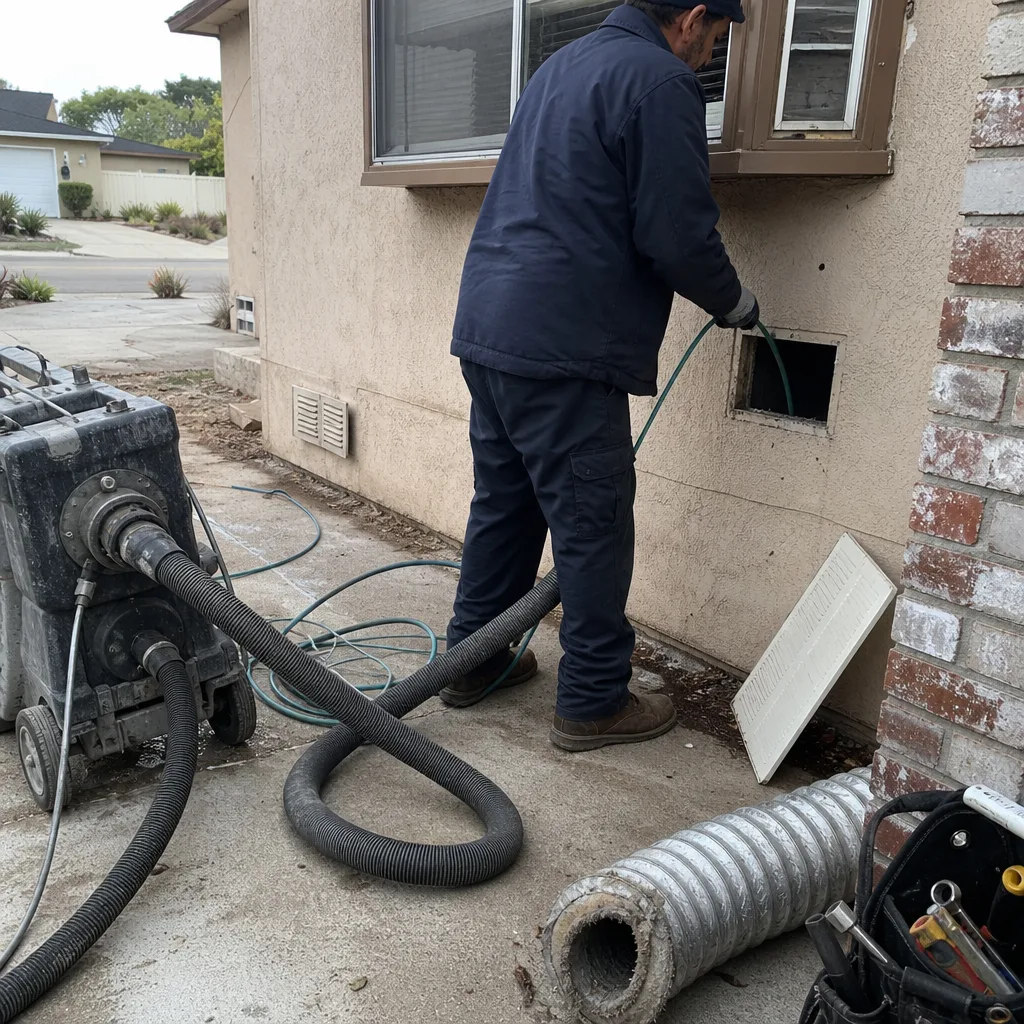 Before
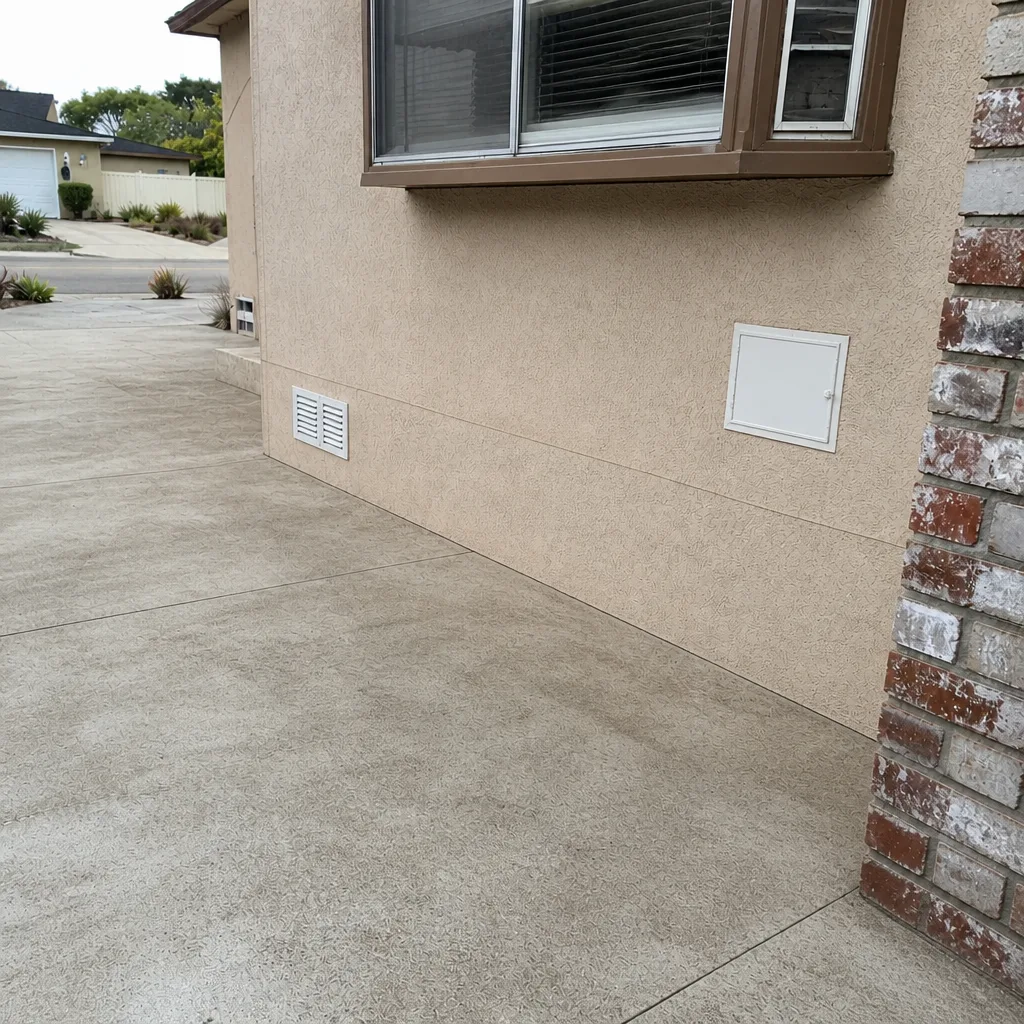 After
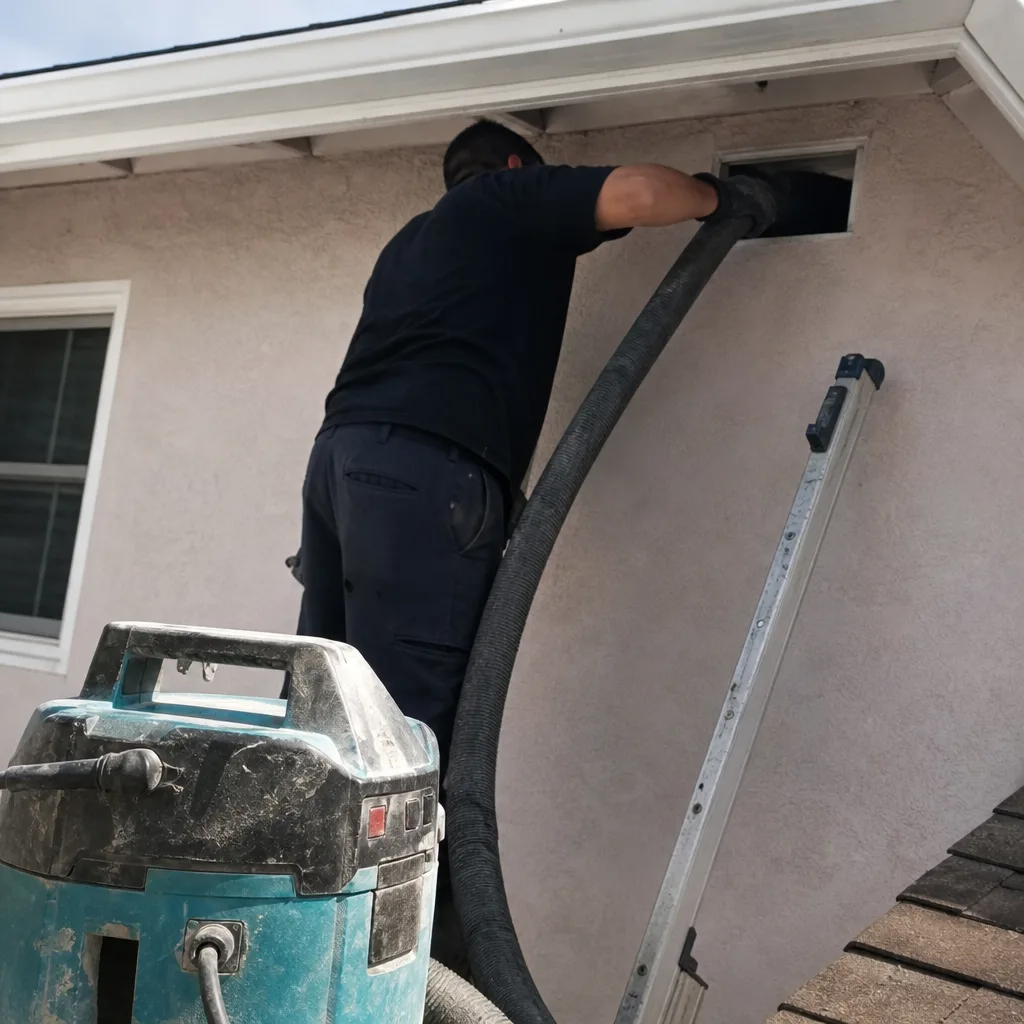 Before
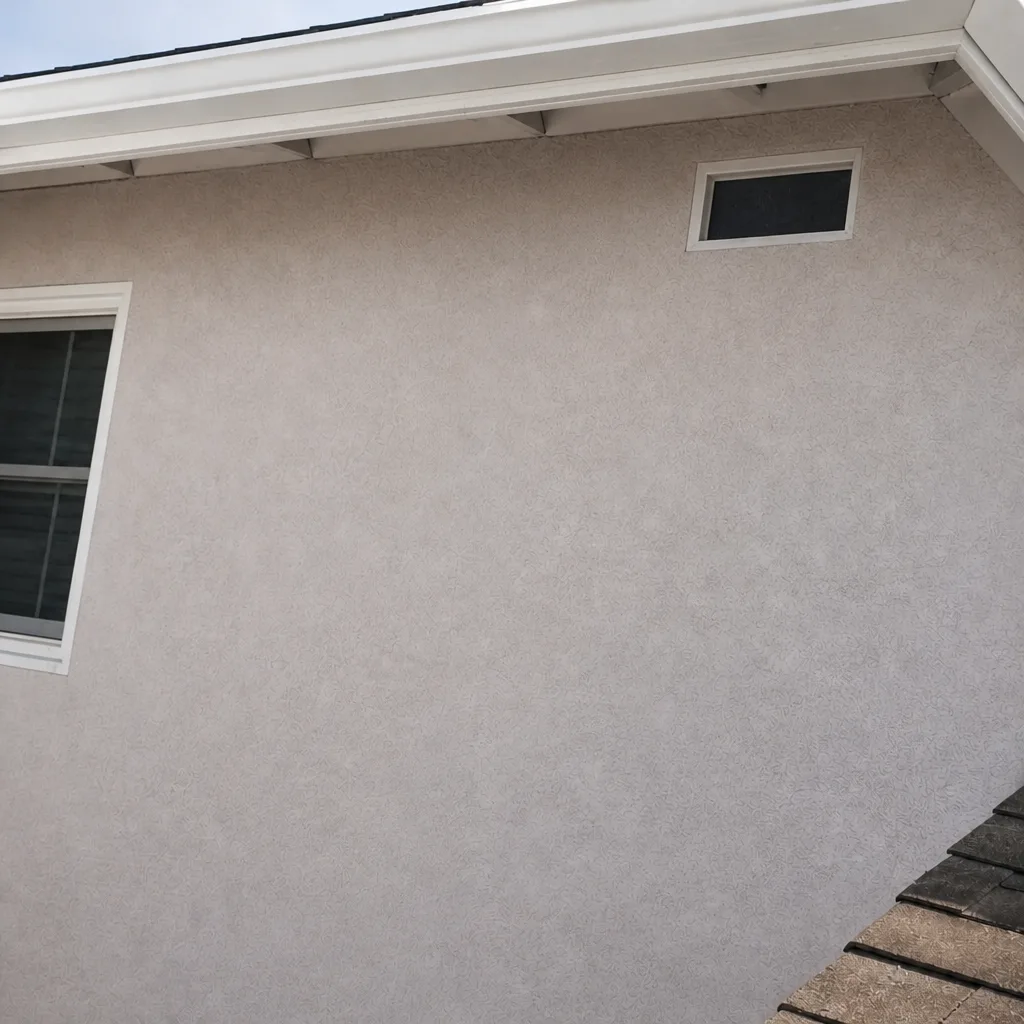 After
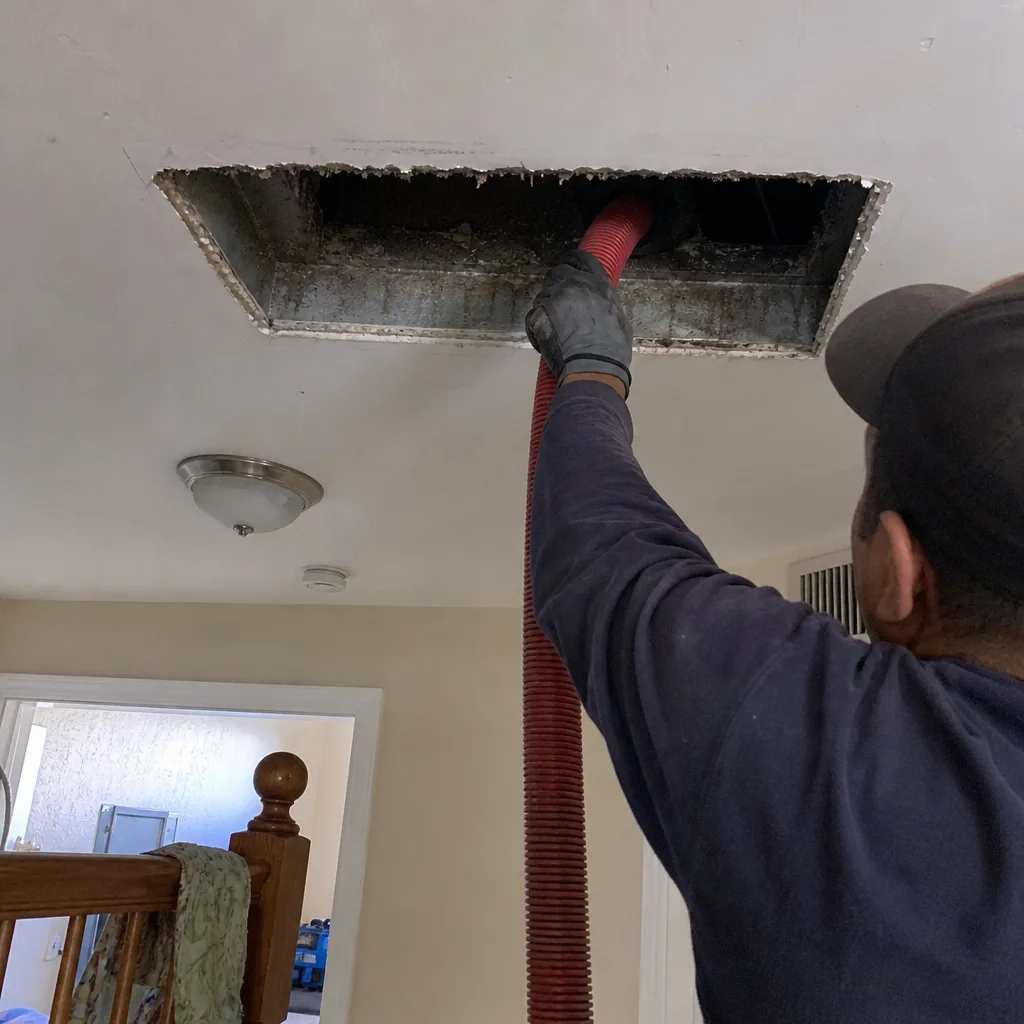 Before
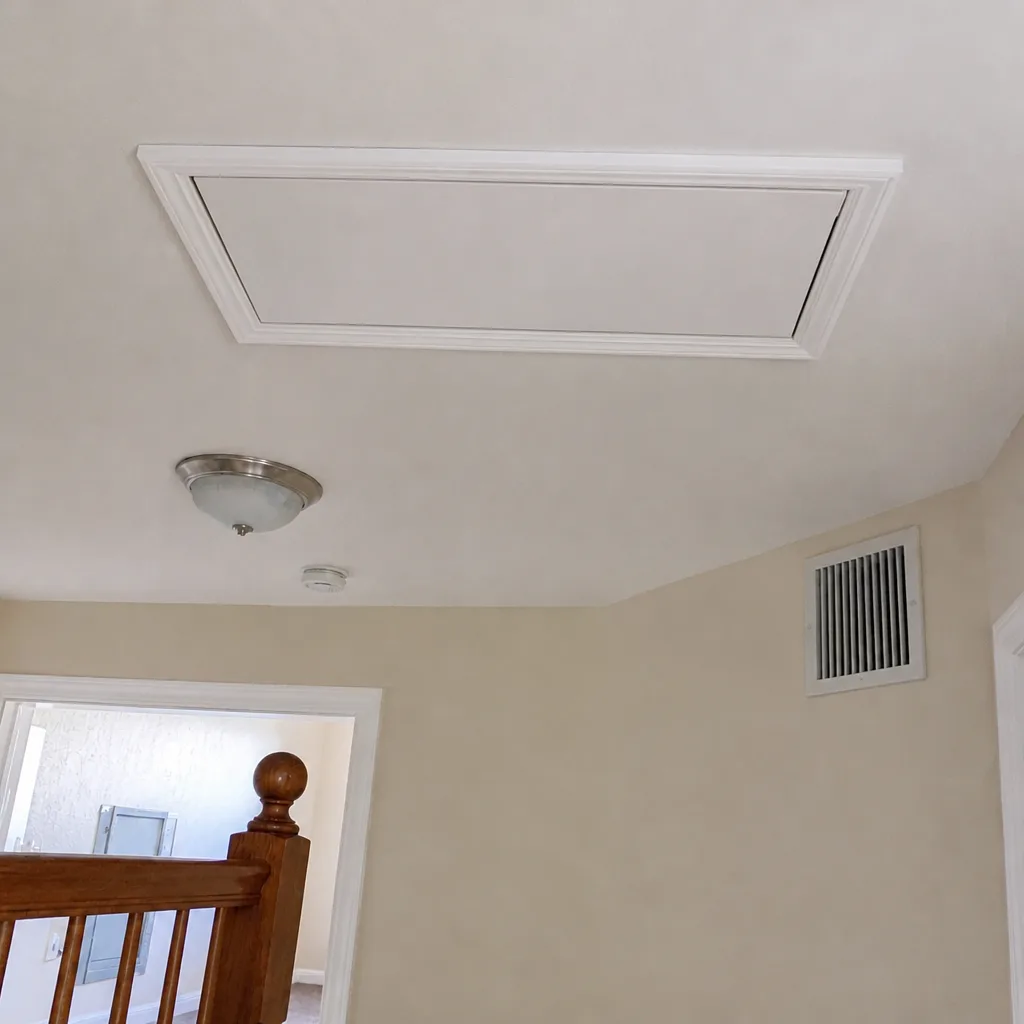 After
When to Call a Professional
Call for professional assessment in these situations: visible smoke deposits inside the ducts, odor at the supply registers that persists more than a few weeks after a smoke event, water intrusion that reached the plenum or duct runs, visible mold growth inside a duct or on liner, a duct system more than a decade old with no documented cleaning, or a recent home purchase where the prior maintenance history is unknown. If your ducts smell of smoke after a cleaning, that’s a sanitizing problem and worth a fresh assessment. Cypress Air Duct Cleaning Pros offers free estimates in Cypress. Call (833) 698-8235. We answer 24/7, with fast dispatch from 7am to 7pm, Sunday through Friday. Technicians have up to 12 years of experience with residential duct systems, and our work is documented with photo evidence before and after every job.
Frequently Asked Questions
Full-system cleaning in Cypress typically runs $450 to $900 for a single-family home, before any sanitizing or repair work. Sanitizing adds $150 to $300 depending on system size and the number of runs. Duct repair and sealing is quoted separately based on the specific leaks found. The written estimate sets the final price. Call (833) 698-8235 for an exact quote; estimates are free.
Not on its own. Cleaning removes the deposited particles, but wildfire smoke leaves volatile compounds soaked into duct surfaces and liner, and those compounds keep off-gassing after cleaning. Resolving the smell requires a professional-grade sanitizing treatment after the cleaning pass. If your ducts were cleaned and still smell of smoke, sanitizing is the missing step, not a second cleaning. Call (833) 698-8235 to talk through your situation.
Visible mold growth on duct liner can begin within 48 to 72 hours of moisture exposure in a warm home. Flex duct and fiberglass liner are both highly vulnerable because neither can dry internally once wet. Shut the system off and call for inspection before running the blower through wet ductwork. Call (833) 698-8235 for an assessment.
No. Shut the thermostat to OFF, not fan-only, and close the outdoor air intake if your system has one. Running the system during heavy smoke pulls unfiltered outside air into the return and pushes ash and fine particulates through every supply run. The filter catches a portion; it does not catch everything, and it catches nothing once loaded.
Coverage depends on your specific policy and whether the event qualifies as a covered loss, which is a determination your insurer makes. In most policies, damage from a qualifying event (a wildfire, an overland water intrusion, a plumbing failure) is more likely to be covered than routine maintenance cleaning. What makes the claim work is documentation: timestamped photos of filters and duct deposits, a written contractor assessment, and a line-item remediation invoice. We can work with your insurer on the documentation side.
You can clean the accessible register grilles and replace the return filter yourself, and that’s worth doing. The duct interior, plenum, and air handler are a different matter. A shop vacuum cannot reach the supply runs, does not safely contain disturbed particles, and cannot address duct liner or the plenum. For anything beyond grilles and filters, professional-grade equipment with containment is the safer option, and it produces the photo documentation your insurer may need.
The Bottom Line
Wildfire smoke, water intrusion, and major power events all put the same equipment at risk: your duct system. The three things that matter are sequence (shut the system off and close the intake during smoke events), treatment (cleaning plus sanitizing to address both particulates and odor compounds), and documentation (photos before the cleaning, written assessment, itemized invoice). The fourth thing, sealing, prevents the next event from re-contaminating what you just had cleaned. Cypress homes are close to fire country and Santa Ana wind paths, so the scenario is not hypothetical. If you’ve been through a smoke event, a leak, or an outage and your ducts have not been evaluated, call Cypress Air Duct Cleaning Pros at (833) 698-8235 for a free estimate. We answer 24/7. Fast dispatch from 7am to 7pm, Sunday through Friday.
Written by the team at Cypress Air Duct Cleaning Pros.