
Last updated November 23, 2026
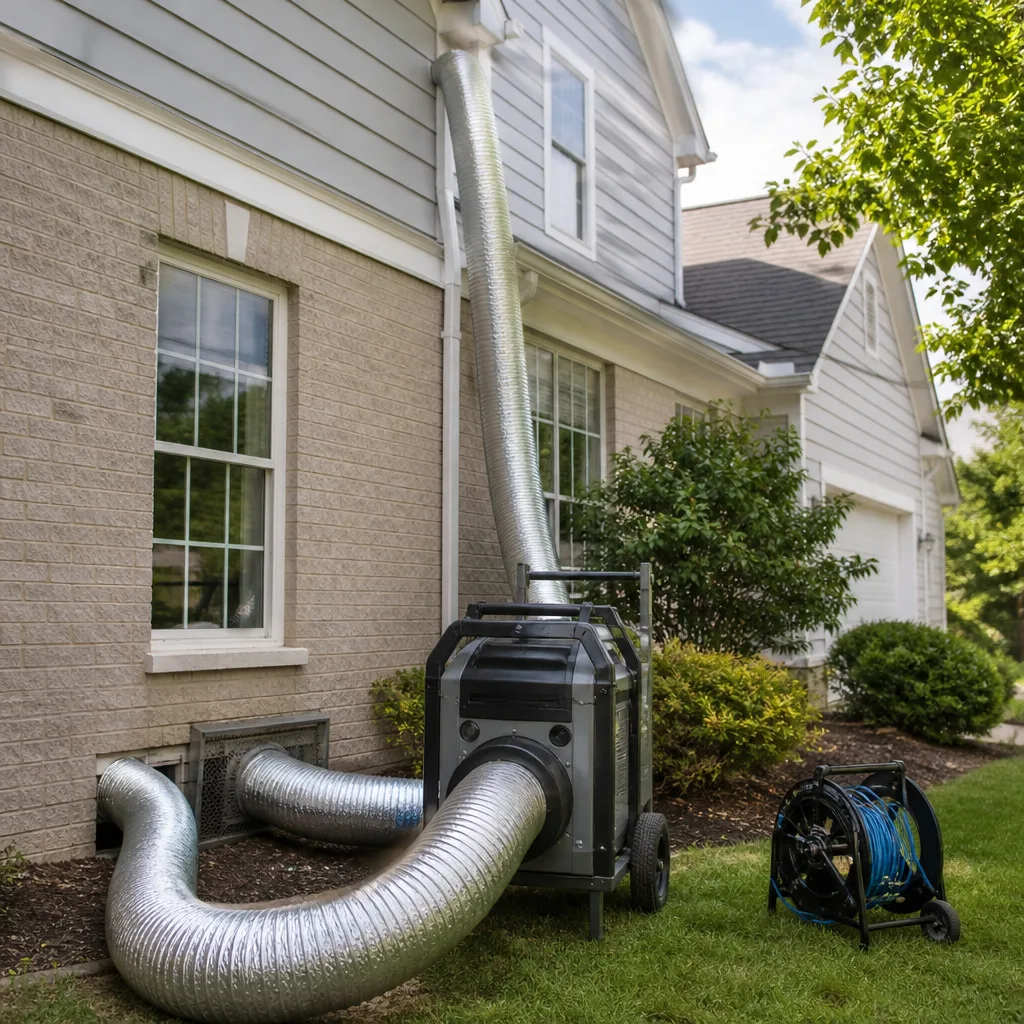 Whole-home duct cleaning
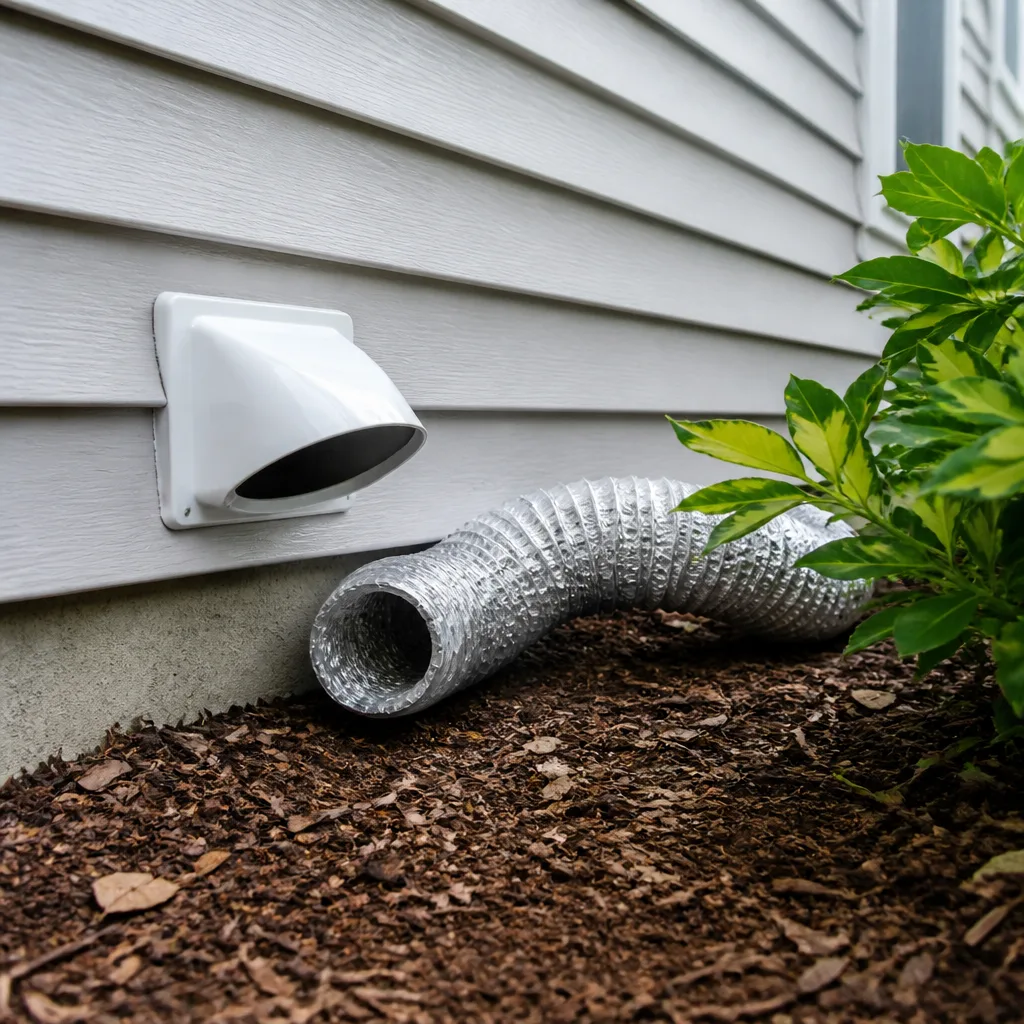 Dryer vent cleaning
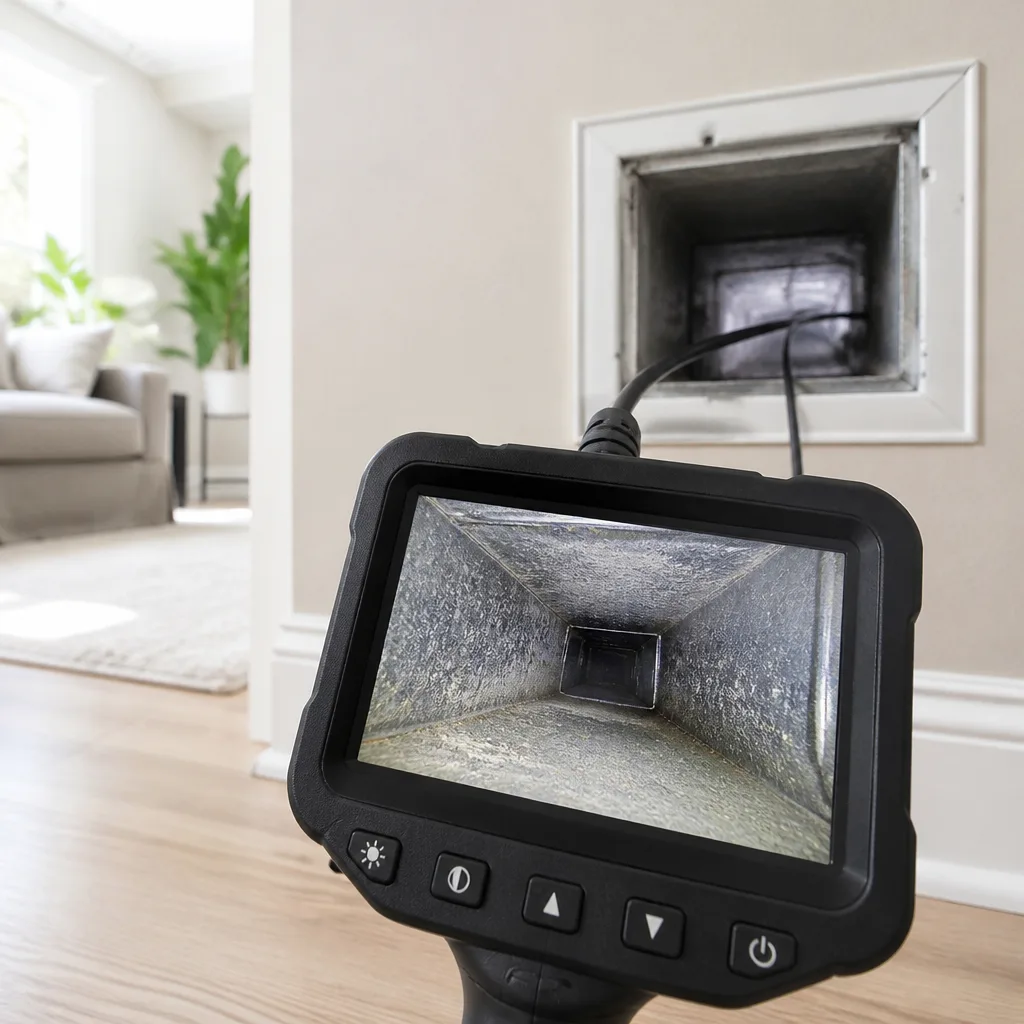 Camera inspection
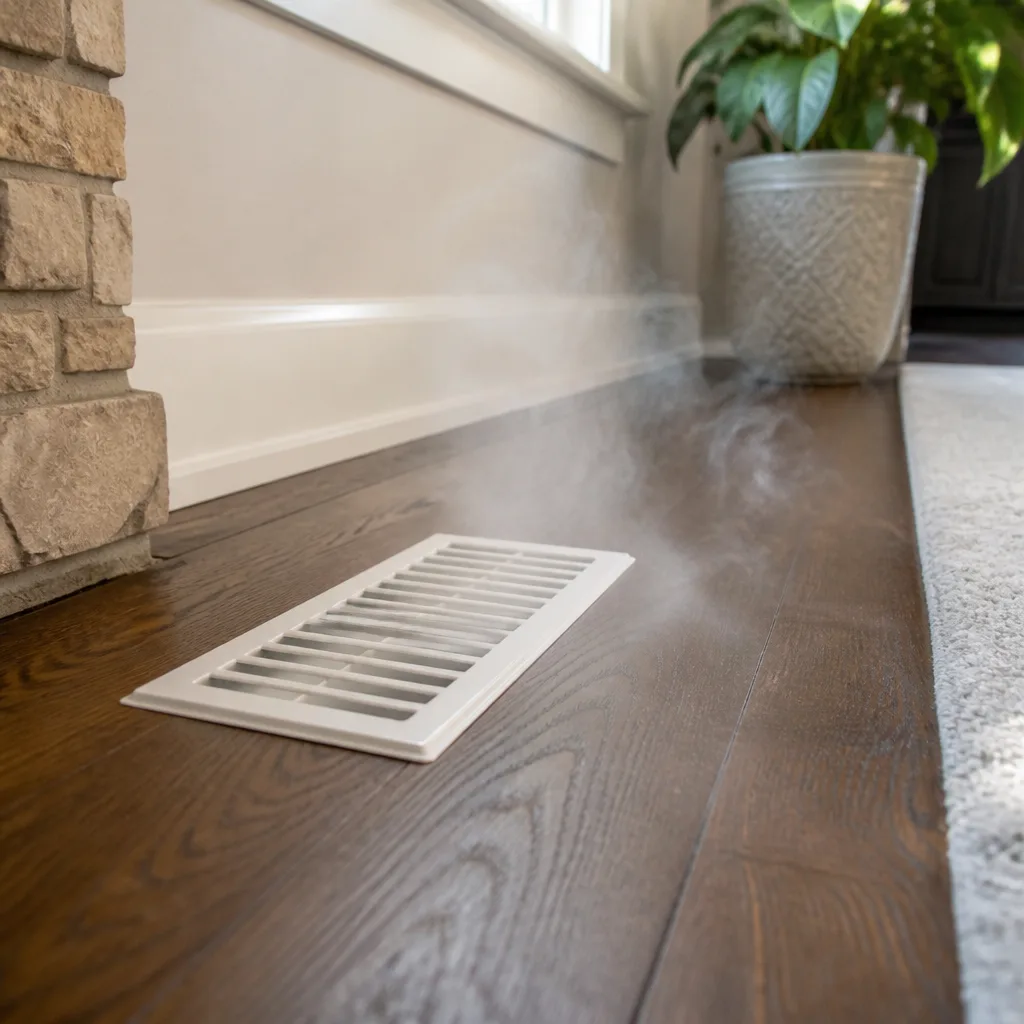 Sanitizing & deodorizing
Whole-system duct and dryer vent check with before-and-after photos - you see exactly what came out of your vents
That "$99 whole-house special" is a bait ad - the real number appears once they are in your hallway, or the "clean" is a shop-vac at the register. We photograph the inside of your ducts before and after instead.
The Complete Guide to Air Duct Cleaning in Cypress
Most advice about duct cleaning was written for somewhere else. It assumes a house with a basement and a furnace fighting snow, and it tells you to look for a “big cleaning” every few years. Cypress doesn’t work that way. You live in a mild, coastal-influenced basin where the marine layer pushes humidity into the same sealed attic ducts every June, and where Santa Ana winds pull dust and smoke through gaps homeowners never see. Those two facts change what “clean” means for your system, how often it needs attention, and what a legitimate job actually looks like. In this guide we’ll walk through how Cypress’s climate and housing stock shape duct contamination, how to verify real work from a sales pitch, and how to read a report. By the end you’ll know how to tell a proper source-removal cleaning from a shop-vac pass.
Styles & brands we work with
- Whole-home duct cleaning
- Dryer vent cleaning
- Camera inspection
- Sanitizing & deodorizing
Quick Answer
Air duct cleaning in Cypress means removing the accumulated dust, debris, and moisture-fed biological growth from inside your ductwork, registers, and HVAC components rather than just wiping the visible surfaces. For most Cypress homes it’s warranted when you see heavy register dust, moldy odors after humid stretches, recent renovation debris, or years without service. A proper job uses professional-grade equipment, containment, and source-removal methods, and it ends with verification photos and a written report. Call (833) 698-8235 for a free estimate.
Table of Contents
- Why Cypress Climate Makes Duct Contamination Different
- How Cypress Housing Stock Shapes Your Ductwork
- Source Removal vs. Surface Cleaning: The Only Distinction That Matters
- What the NADCA ACR Standard Actually Requires
- How Professional Equipment Compares to Shop-Vac Shortcuts
- How to Read a Post-Cleaning Verification Report
- What Air Duct Cleaning Costs in Cypress
- How Often Cypress Homes Really Need Duct Cleaning
- Common Mistakes to Avoid
- When to Call a Professional
- Frequently Asked Questions
- The Bottom Line
Why Cypress Climate Makes Duct Contamination Different
If you’ve read a national air quality piece about duct cleaning, it probably described humid summers and dry winters. Cypress sits in a different pattern. The marine layer rolls in overnight and burns off by late morning through much of the year, and that daily humidity swing is exactly what feeds mold and mildew growth inside a duct system that sits in a mildly warm attic or crawlspace. Duct interiors rarely get hot enough to dry out completely, and moisture condenses on the cooler metal surfaces during those humid overnight hours. Add a slightly undersized return and you’ve got a system that pulls Cypress’s outdoor humidity inside and holds it.
Then there’s the Santa Ana season. In late summer and fall, dry, dust-laden winds push through Orange County and drive fine particulate into every exterior gap. Those particles include a mix of mineral dust, pollen, and whatever smoke is unseasonably present. A well-sealed duct system keeps most of that out. A duct system with ten years of small joint separations doesn’t.
What this means in practice for Cypress homes:
- Humidity-driven biological growth is more likely than in inland desert climates, and it shows up as musty odors when the system first turns on.
- Filtration matters more than most homeowners realize. A high-MERV filter helps, but only if the system was designed for it; running too restrictive a filter on an older system lowers airflow and can cause coil freezing.
- Returns pull harder than supplies push. Contaminants enter through the return side, so the return plenum and main trunk line usually carry the heaviest deposits in a Cypress home.
If you take one thing from this section, it’s that the local environment is the central variable. A duct cleaning routine tuned to a dry mountain climate would leave a Cypress homeowner under-served on the moisture side and over-served on dust control. If you want to know how this applies to your own home, professional air duct cleaning starts with an inspection, not a cleaning tool.
How Cypress Housing Stock Shapes Your Ductwork
Much of Cypress’s residential construction dates to the 1970s through the 1990s, and that era built duct systems a particular way. Flex duct was inexpensive, quick to install, and flexible enough to snake through tight attic spaces. It was also less durable than rigid sheet metal. After thirty or forty years of thermal cycling and mild seismic movement, flex duct in a Cypress home commonly develops:
- Collapsed sections where the internal wire helix has lost shape, restricting airflow to a room and forcing the blower to work harder.
- Tears and pinholes along the inner liner, letting attic air and insulation fibers mix into the supply air.
- Sagging runs between supports, which trap dust on the low side and become a permanent debris bed.
- Disconnected joints at registers or the main trunk, blowing conditioned air into the attic and pulling unconditioned air into the house.
This is why “just cleaning” flex duct without inspecting its physical condition is only half a job. You can blast the interior clean and still leave a runaway leak. That’s why we pair cleaning with duct repair and sealing: the same technician visit that pulls debris out also identifies collapsed runs, torn liners, and separated joints, and seals them up. Rigid metal trunk lines in older Cypress homes are easier to clean thoroughly, but their seams often carry more leakage and are worth sealing while the system is accessible.
Homeowners in Cypress who’ve recently remodeled or bought a home built before the mid-1980s should expect a deeper inspection. Drywall dust, construction fibers, and decades of settling dust are commonly the real story in these systems, and they rarely show up on a simple visual walk-through. A HVAC cleaning visit that includes the coil, blower, and drain pan often makes more difference than the ducts alone, because the air handler is where all that debris has been cycling.
Source Removal vs. Surface Cleaning: The Only Distinction That Matters
Here is the honest difference that separates real duct cleaning from the sales pitch version: source removal takes the contaminants out of the system, and surface cleaning just moves them around. Most complaints about duct cleaning come from a surface cleaning job dressed up as a full cleaning.
Surface cleaning usually involves wiping visible register grilles, brushing the inside of a few accessible runs, and possibly running a small vacuum over the plenum. Debris that was clinging to the upper walls of a duct run gets knocked down and re-suspended, but nothing collects it. Often dust re-settles within days and the customer is told “that’s normal.” It isn’t.
Source removal, in contrast, follows a defined sequence:
- Containment. Every supply and return register is sealed, and the air handler opening is contained so dislodged debris can’t escape into your living space. Abatement Technologies equipment is the professional standard for that containment and HEPA filtration step.
- Negative pressure. A high-powered vacuum unit, typically truck-mounted or a large HEPA unit placed at the main trunk, pulls the entire duct system into a state of negative pressure so any debris you disturb is drawn toward the collection point.
- Mechanical agitation. Rotobrush and Nikro systems use air whips and brushes fed through the ducts to loosen deposits from the walls and duct interior without damaging the flex wire helix. This is the step that actually touches the surface.
- Collection. As agitation occurs, the negative pressure carries the loosened debris into the vacuum’s HEPA filter, and the material is physically removed from the system.
- Component cleaning. The blower wheel, evaporator coil, and drain pan get cleaned while the system is contained. This is what we mean by HVAC cleaning as part of the service.
- Verification. The technician photographs interiors and any wet spots, and a written report documents what was cleaned.
Every step in that sequence is what makes the outcome real. The order matters, because containment before agitation prevents dust from settling back in your living room. If a quote doesn’t explicitly include containment, negative pressure, and mechanical agitation, the job is not source removal.
What the NADCA ACR Standard Actually Requires
The NADCA ACR standard (Assessment, Cleaning, and Restoration of HVAC Systems) is the industry’s reference document for how a proper duct cleaning is performed. It’s not law, but it’s the standard serious contractors measure their work against, and it gives homeowners a way to verify a job description. Here’s what the relevant parts require, in plain terms:
- Assessment first. The contractor must inspect the system before deciding what to clean. That includes photographing duct interiors, checking the air handler and coil, and noting any visible moisture or biological growth.
- Containment during cleaning. All openings must be sealed so that disturbed debris can’t enter occupied spaces. This is the point where an inadequate job becomes obvious: if the technician doesn’t bring containment equipment, the standard isn’t being followed.
- Negative pressure throughout. The cleaning must maintain the duct system at negative pressure relative to the occupied space for the duration of agitation.
- Mechanical agitation and source removal. Debris must be physically dislodged and collected, not merely redistributed. Surface-level cleaning doesn’t satisfy the requirement.
- Cleaning of the entire system, not just visible branches. Returns, supplies, the main trunk, and the air handler are all in scope.
- Post-cleaning verification. Photographic proof, moisture readings where applicable, and a written report are expected deliverables.
In our experience walking Cypress homes, the items on that list most often skipped are containment (usually because the crew only has a portable shop-vac) and verification (because there’s nothing to photograph when the work was superficial). When you’re evaluating quotes, ask directly: *Will you be using containment, negative pressure, and mechanical agitation, and can I see photos of the inside of the ducts before and after?* A contractor following the ACR standard will answer without hesitation.
Ask to see the inside of your ducts with their own camera before they start. A real professional will show you the pre-cleaning condition, and often the cleaning can be adjusted on the spot for what they discover. To arrange a free estimate and inspection on a Cypress home, call (833) 698-8235. Our technicians have up to 12 years of experience and use professional-grade equipment.
How Professional Equipment Compares to Shop-Vac Shortcuts
The single most reliable indicator of whether you’re hiring a real duct cleaner is the equipment on-site. A portable wet/dry shop-vac is not a duct cleaning system, and it cannot maintain negative pressure on an entire residential system. When a company shows up with a shop-vac and a long hose, they will clean the register closest to their machine and lightly brush the main trunk they can reach. Everything else stays.
Professional-grade equipment looks different. Rotobrush systems feed a motorized brush and air whip through ducts under controlled tension, allowing the technician to agitate the walls without damaging the flex liner. Nikro negative-air machines and HEPA vacuum units pull the full system under pressure. Abatement Technologies equipment handles containment and filtration, which is the standard you want if anyone in the house has asthma or allergies. And post-service protective treatments like Guardsman extend the cleanliness of the system.
Beyond cleaning, a full-scope indoor air contractor uses trusted component brands for air quality work. When we install filtration or humidity-side products, they come from Honeywell or Aprilaire. Those are the same manufacturers whose products are specified in HVAC systems across the region, and using them keeps the filter housing and controls compatible with what you already have. It also means you aren’t chasing separate vendors for the cleaning, the sealing, and the filtration upgrade.
The practical test for a homeowner: watch what comes off the register. If the equipment is professional-grade, you’ll see debris being physically pulled from the system and captured in a sealed filter. If what you’re watching is a hose going in and dust coming out the vent into the room, that’s the shop-vac shortcut. Professional-grade equipment, not shop-vac shortcuts, is the difference between a clean duct and a cleaned-looking duct.
Outside the ducts, dryer vents deserve similar treatment. A clogged dryer vent is a genuine fire hazard and a common cause of slow-drying loads. Proper dryer vent cleaning uses a rotary brush on a flexible rod and a vacuum, not a handheld leaf blower. If your vent line is unusually long or routed through the roofline, ask for the brush method.
How to Read a Post-Cleaning Verification Report
A legitimate duct cleaning ends with documentation. It’s not marketing; it’s evidence. When a Cypress Air Duct Cleaning Pros technician finishes, you should receive photos and a written report that lets you see what changed. Here’s what separates a real report from a fill-in-the-blank form:
Photographs of duct interiors, before and after. The before photo shows what was in the system; the after photo shows the same location, cleaned. Photos should be clearly labeled by location (main trunk, supply run to bedroom, air handler, etc.). If the “before” photos are missing, you have no evidence.
Air handler and coil condition. The evaporator coil is the one component that can’t be verified from a register grille. Photos of the coil and drain pan tell you whether biological growth was present and whether it was addressed.
Moisture notes. If the technician found moisture or suspected mold growth, the report should describe location and extent. Moisture is the most important variable in a Cypress home, because it’s the driver of biological contamination.
Repair and sealing notes. Any collapsed flex duct, disconnected joint, or torn liner discovered during the service should be documented with its location, so you can decide whether to seal it now or after further inspection. Sealing is not a cosmetic fix; every leak costs you conditioned air and pulls in unfiltered air.
Filter change record. A note of what filter was removed, its MERV rating, and what was installed (if applicable) belongs in the report. It’s the difference between “cleaned” and “cleaned and protected.”
If you receive a report that says “system cleaned” with no photos, ask for the images. A company following proper procedure has them.
What Air Duct Cleaning Costs in Cypress
Air duct cleaning in Cypress typically runs in the range of a flat price per system rather than a per-vent charge. A whole-system job on a typical single-story home, including containment, negative pressure, agitation, air handler cleaning, and a verification report, generally lands in the several-hundred-dollar range. Larger two-story homes with multiple zones, larger branches, or heavy renovation debris go higher. Duct sealing is quoted as an add-on, and dryer vent cleaning as a separate line item.
Our approach is one flat price per system, agreed before work begins. No surprise invoice when the technician is on-site, and no per-register upcharge halfway through the job. You get a written estimate in advance, and after the work is done, before-and-after photos of your own system.
If you’re comparing quotes, three factors explain almost every price gap you’ll see:
- Containment and HEPA filtration. Equipment that prevents debris from entering your living space costs more to run, but it’s the standard you want.
- Scope. Quotes for “ducts only” skip the air handler and coil, which is often where the most contamination lives.
- Sealing and repair. A cleaning-only company leaves leaks in place. A full-scope contractor seals them, which raises the total but also improves system performance.
If a quote is dramatically cheaper than the rest, look closely at what’s included. Usually the missing piece is containment or verification. A legitimate estimate is free, and there’s no fee to get it. Call (833) 698-8235 to schedule one for your Cypress home. We answer 24/7. Fast dispatch from 7am to 7pm, Sunday through Friday.
If your ducts need more than cleaning, we also handle air sanitizing and protective treatments so that the biological component of the contamination is addressed, not just the visible dust. That scope, from cleaning through sanitizing and sealing, is what Cypress Air Duct Cleaning Pros focuses on.
How Often Cypress Homes Really Need Duct Cleaning
The honest answer is that there’s no universal interval. Advice to clean every three years or every five years is a national average that doesn’t fit every home. In Cypress specifically, the local variables tend to matter more than a stopwatch:
- Pets. A house with indoor cats or a large dog usually needs attention sooner than a pet-free home, because pet dander and hair enter the return side and accumulate in flex duct runs.
- Renovations. Any drywall work, flooring replacement, or major remodel pushes construction dust into the system. Clean after the remodel is complete, not before.
- Allergic occupants. If someone in the home has asthma or seasonal allergies that flare indoors, more frequent attention usually helps, and so does upgrading filtration.
- Humidity exposure. A home with an undersized or poorly maintained AC can build biological growth faster than a well-maintained system. That means the moisture variable in Cypress is the one that actually requires attention, not the calendar.
- Inspection findings. The best indicator is a look inside. If the ducts are still mostly clean, postpone the cleaning. If they’re loaded, schedule it.
A reasonable rule of thumb: inspect every couple of years in a Cypress home, and clean when the inspection finds meaningful debris, moisture, or biological growth. That’s a more honest answer than any fixed interval. If you’ve recently moved into a Cypress home with an unknown service history, book an inspection before you book a cleaning.
Filter changes are the other lever, and they’re cheap. Change your filter on the schedule the manufacturer specifies and use a MERV rating appropriate for your system. Higher isn’t always better. A filter too restrictive for the blower lowers airflow and can cause the evaporator coil to freeze, which then feeds the moisture problem inside the ducts. If you’re unsure what rating your system can take, ask the technician during an inspection.
Common Mistakes to Avoid
- Hiring on price alone. The lowest quote is almost always a surface cleaning, because containment and verification cost money. Ask what’s included before you compare numbers.
- Skipping the air handler and coil. Dust in the ducts means dust on the coil and blower too. If the quote doesn’t mention the air handler, the job isn’t complete. This matters more in a Cypress home, where biological growth likes to settle in the wet parts of the system.
- Cleaning before a remodel. Construction dust will undo a new cleaning within a week. Schedule after the drywall phase is finished and the dust has settled.
- Ignoring small duct leaks. A joint that separates by a fraction of an inch during a seasonal temperature swing pulls unfiltered attic air into the system every time the blower runs. Sealing is easily done during a cleaning and rarely done afterward.
- Assuming a shop-vac qualifies. It doesn’t. If the equipment on-site can’t maintain negative pressure on the full system, it isn’t duct cleaning. It’s vacuuming a register.
- Accepting a cleaning with no verification photos. Photos of your before-and-after ducts are proof the work happened. A verbal assurance is not. Ask for them before the technician removes the equipment.
- Cleaning the ducts but leaving the dryer vent alone. Two separate systems, two separate hazards. The dryer vent is a fire-safety component and needs its own cleaning schedule, independent of the HVAC system.
If you’ve recently had a cleaning that felt too quick, or a quote that didn’t mention containment, ask a Cypress Air Duct Cleaning Pros technician for a second look. Estimates are free, and there’s no fee to inspect the system before any work begins.
When to Call a Professional
Call a professional for duct work when you notice musty odor coming from a register, visible dust haze around your return grille, or a system that hasn’t been inspected since you moved in. Also call if you’ve just completed a renovation, or if you’ve noticed that certain rooms in the house are harder to cool than others, which can indicate a collapsed duct run or disconnected joint. A Cypress home with pets, allergy-sufferers, or young children has reason to inspect sooner than a household without those factors.
Cypress Air Duct Cleaning Pros offers free estimates in Cypress. Call (833) 698-8235. We answer 24/7. Fast dispatch from 7am to 7pm, Sunday through Friday. A call outside dispatch hours is booked into the next opening, Sunday through Friday, 7am to 7pm.
Frequently Asked Questions
Air duct cleaning in Cypress is typically quoted as one flat price per system rather than per vent, and a whole-system job that includes containment, agitation, air handler cleaning, and verification usually lands in the several-hundred-dollar range, with larger or multi-zone homes and duct sealing quoted separately. The written estimate sets the final price, and there’s no fee to get it. Call (833) 698-8235 for an exact quote on your home.
The cheapest quotes skip containment and verification, and typically only clean the registers and reachable trunk rather than the full system. Without containment, disturbed debris can re-enter your home; without verification photos, there’s no proof of what was done. Cheaper quotes often also skip the air handler and coil, which is where a lot of contamination actually sits. Call (833) 698-8235 for a free written estimate that lays out exactly what’s included.
Ask for before-and-after photos of the inside of your ducts, plus the air handler and coil, along with a written report. A contractor following the NADCA ACR standard has those photos as part of the job, not as an extra. If you don’t receive them, ask before the equipment leaves the driveway. Call (833) 698-8235 to schedule a service that documents the work as it’s done.
There’s no fixed interval that fits every home. A practical approach is to inspect the system every couple of years and clean when the inspection finds meaningful debris, moisture, or biological growth, with earlier inspection in pet households, homes with allergy-sufferers, or after a remodel. Cypress’s marine layer humidity is the variable that matters most for biological growth. Call (833) 698-8235 to schedule an inspection and a free estimate.
No. A shop-vac can’t maintain negative pressure across the duct system, and it can’t safely agitate debris without releasing it into the room. It may also damage flex duct liners. The result is usually surface cleaning with dust re-suspended in the air. Call (833) 698-8235 to schedule a professional cleaning that captures the debris instead of redistributing it.
Not always. A register grille can look clean and still hide heavy deposits further in, particularly in the return plenum and main trunk line. Conversely, a lightly used system may not need cleaning at all. An inspection is the way to find out. Call (833) 698-8235 to book a free estimate and a look inside your Cypress home’s system.
The Bottom Line
Cypress’s coastal-influenced climate and its 1970s-to-1990s tract-home ductwork combine to make air duct cleaning in Cypress a job with local specificity. The moisture side (marine layer humidity driving biological growth) and the physical side (flex duct collapse, torn liners, separated joints) both matter, and neither is addressed by a shop-vac cleaning. Source removal with containment, negative pressure, and mechanical agitation is the standard. Verification photos and a written report are the proof. Call (833) 698-8235 for a free estimate on your Cypress home.
Written by the team at Cypress Air Duct Cleaning Pros.
See the difference
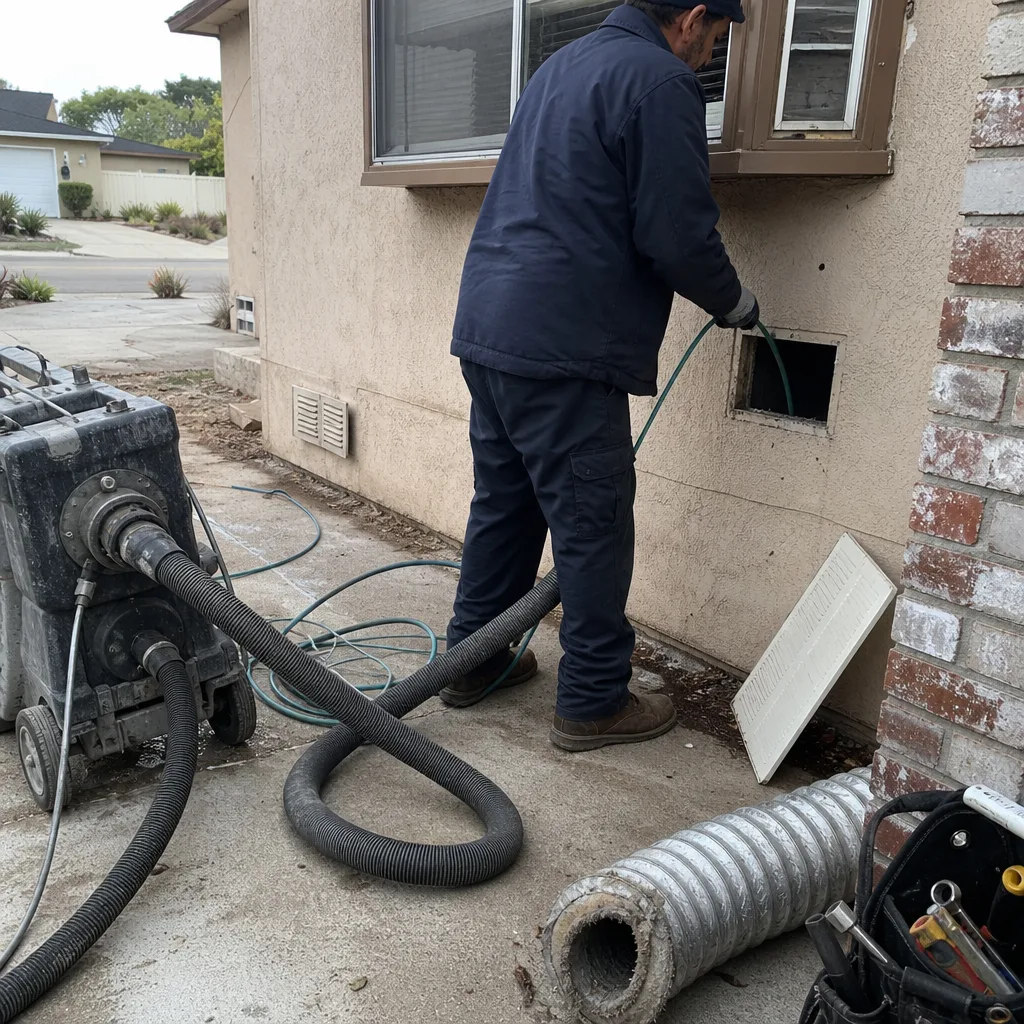 Before
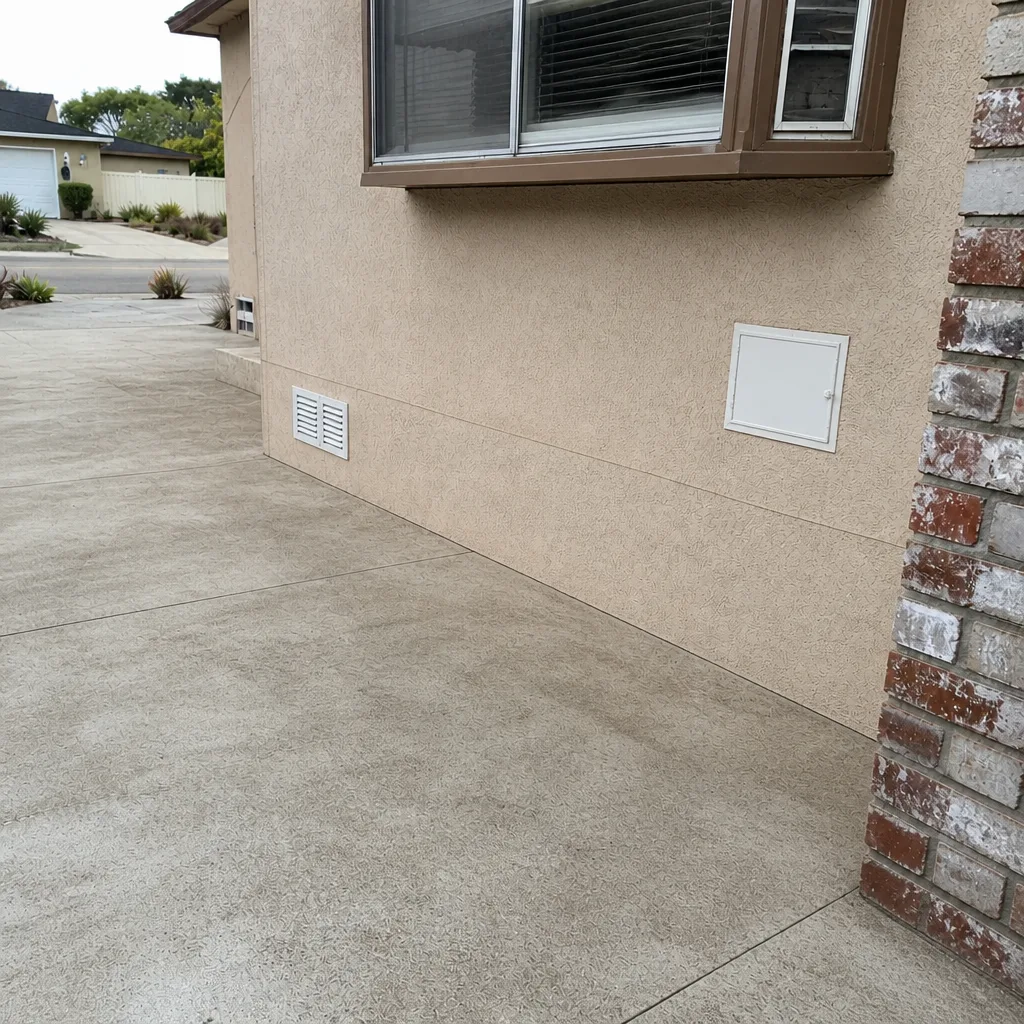 After
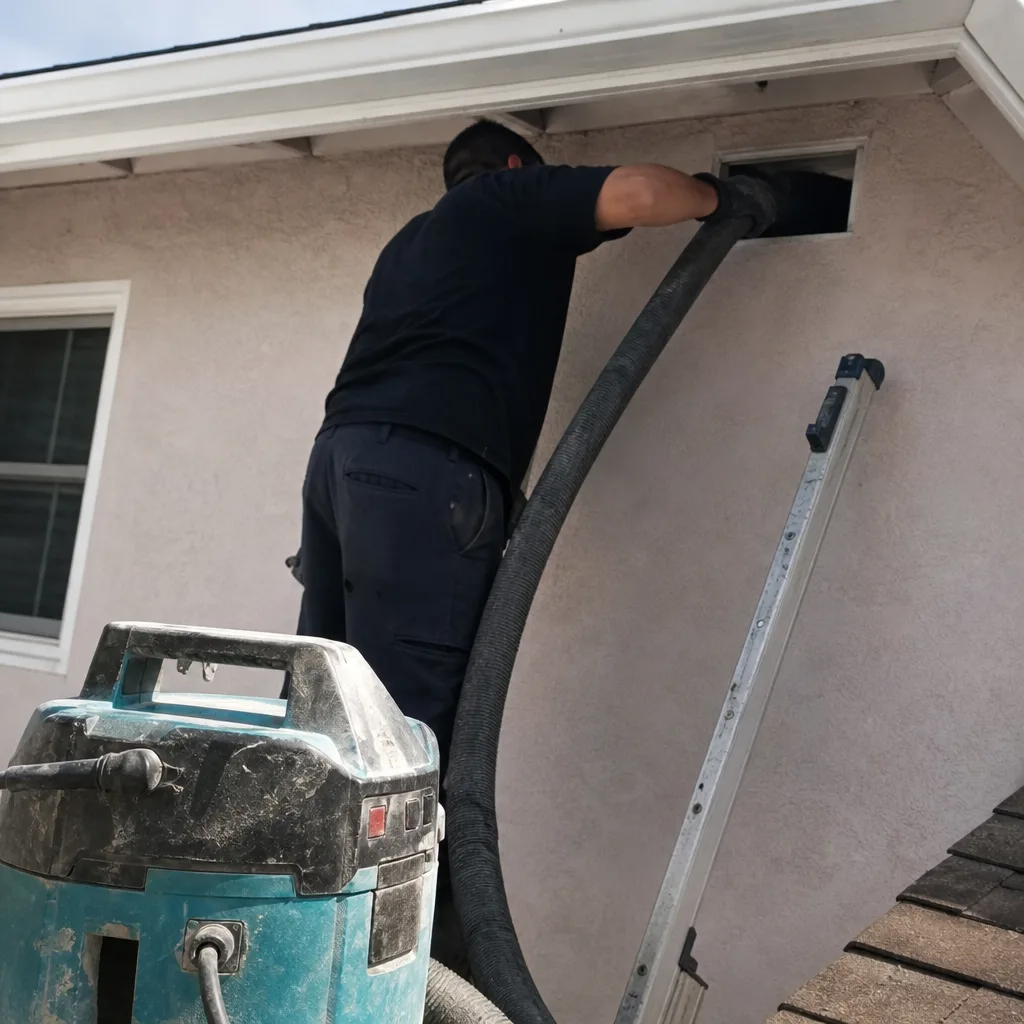 Before
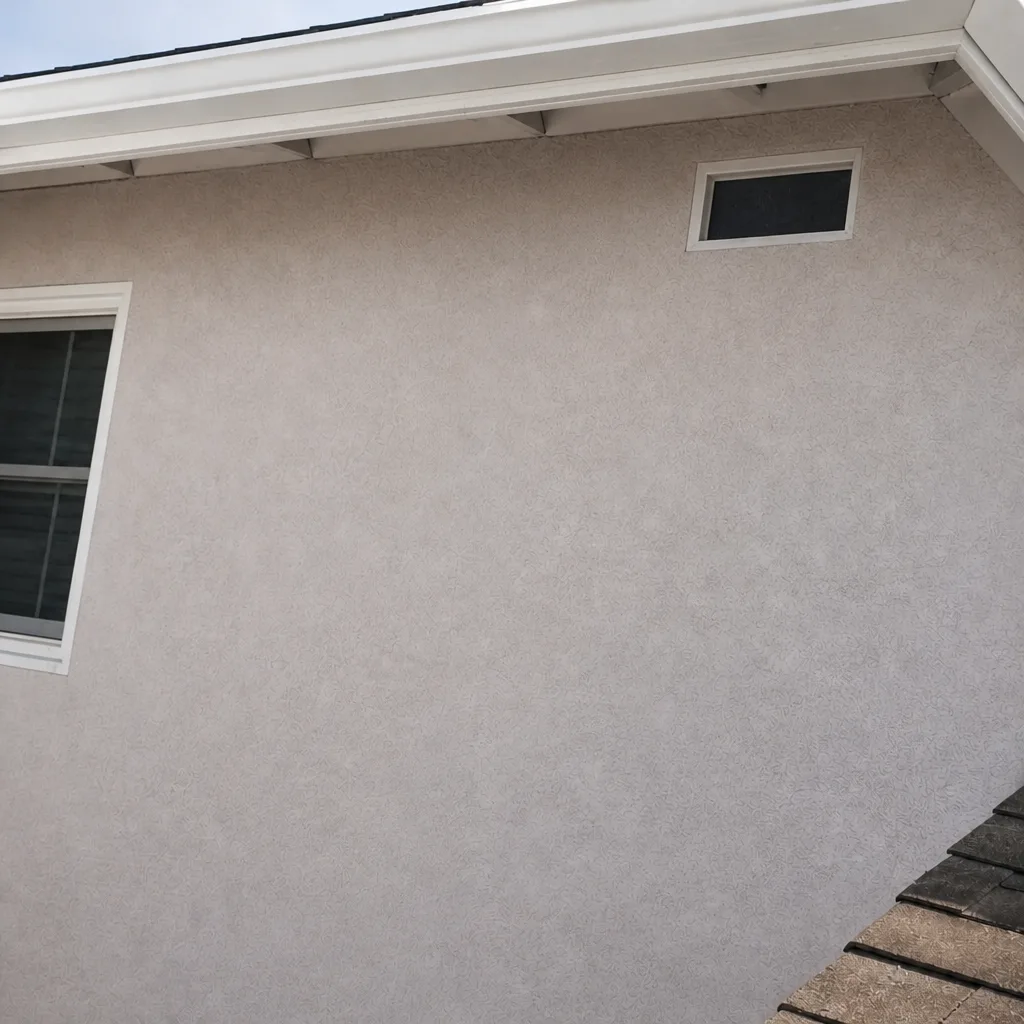 After
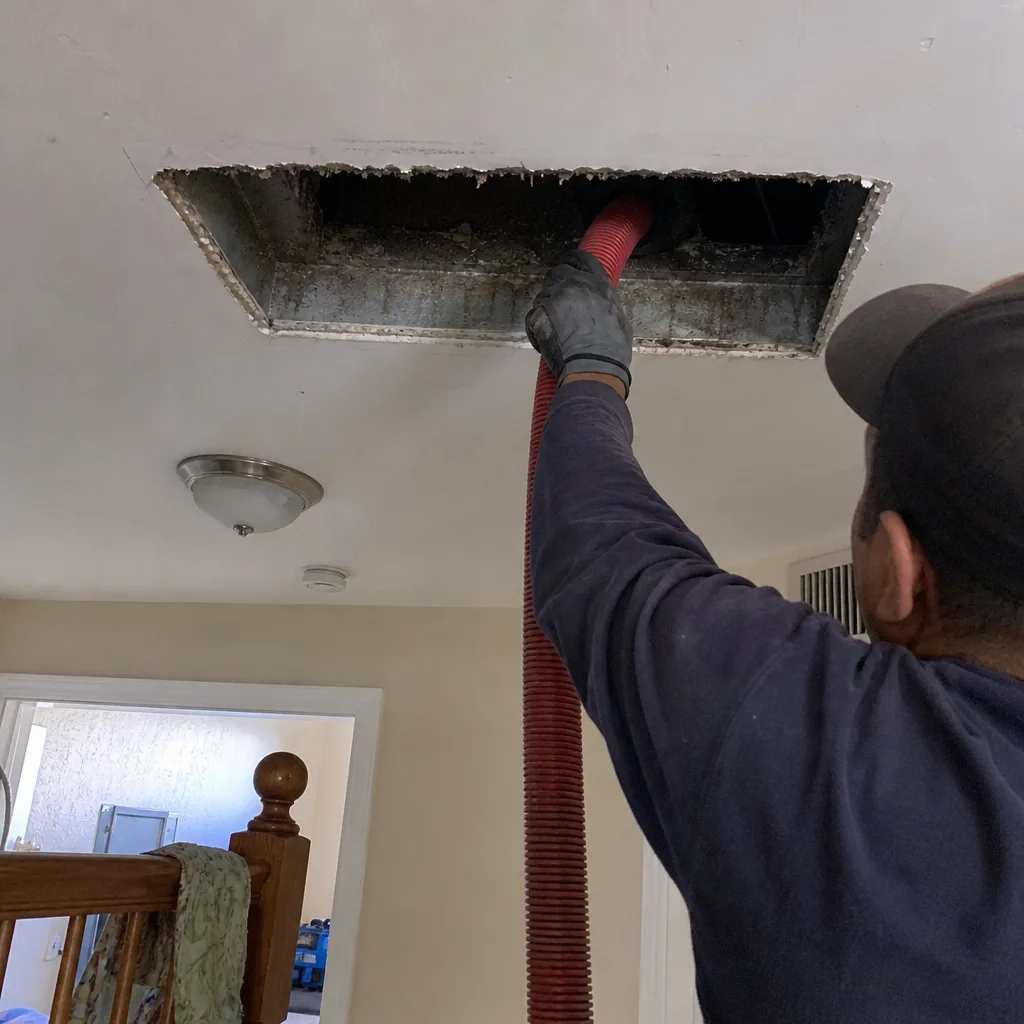 Before
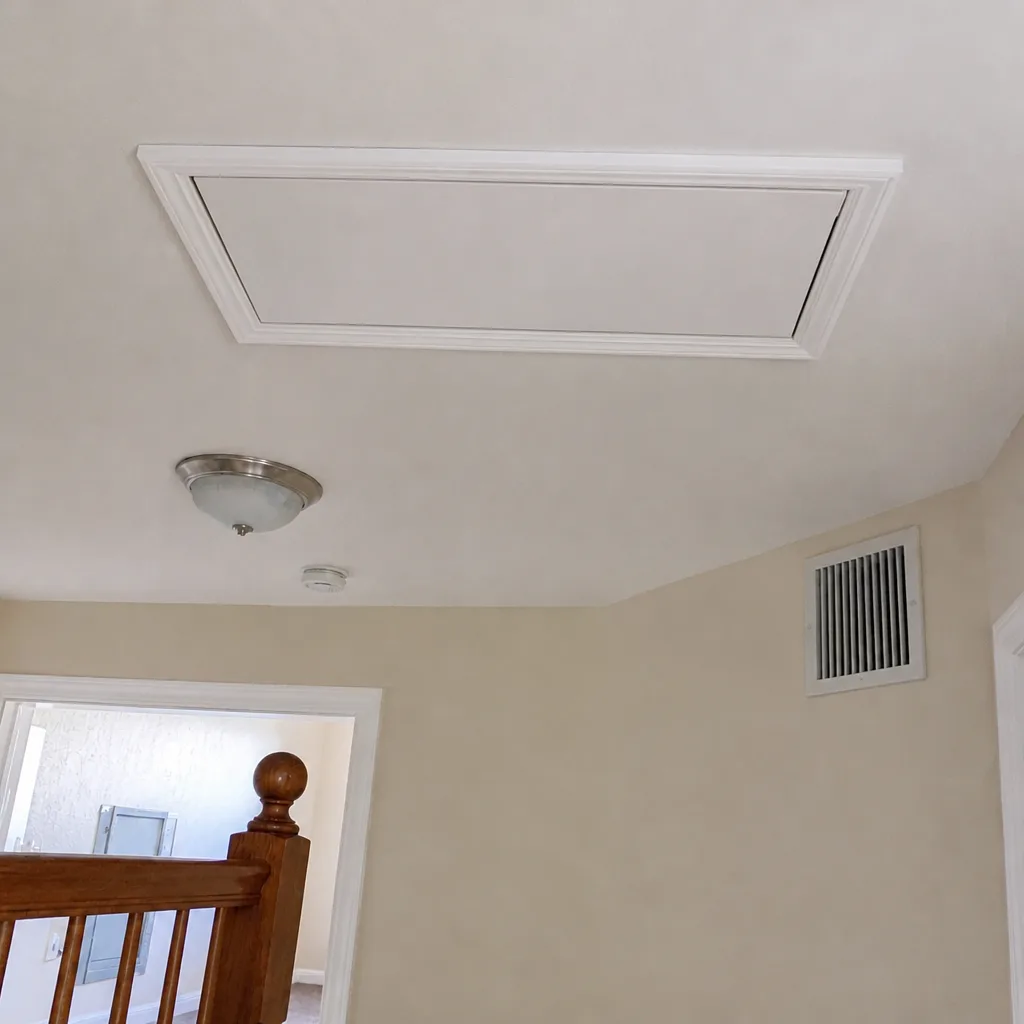 After